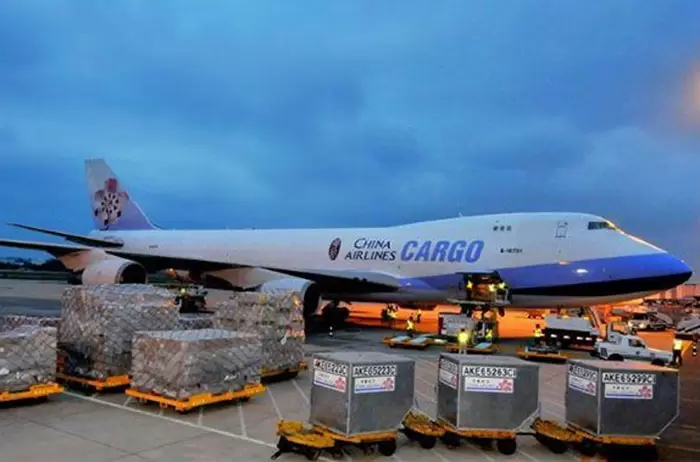
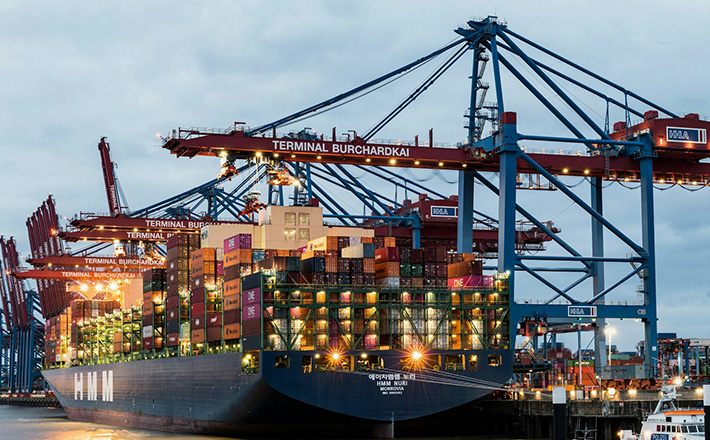
As global supply chains evolve at unprecedented speed, businesses are seeking transport modes that can match the pace of modern commerce. The demand for international air freight logistics service solutions is steadily increasing, not only for high-value goods but also for industries that rely on short lead times and predictable delivery windows. In this blog post, Balance Logistics Inc., as high quality door-to-door cargo delivery service provider, will share the role of international air freight cargo transport logistics service in digital supply chain.
The role of international air freight cargo logistics service providers has shifted from traditional cargo handling to highly coordinated digital operations. Today’s air logistics ecosystem integrates real-time tracking, predictive routing, capacity optimization, and transparent data exchanges. These elements collectively create a synchronized environment where every shipment is visible, traceable, and supported by responsive decision-making.
Digital integration allows carriers and shippers to collaborate based on live metrics rather than static schedules. This structure reduces the risk of delays, offers accurate ETA forecasting, and enables proactive interventions when disruptions occur. As industries expand across multiple continents, these capabilities become essential for achieving reliable throughput and predictable transport cycles.
Advanced Models of Air Cargo Transport Logistics Services
The evolution of air cargo transport logistics services has produced new models that depart from traditional airport-to-airport operations. Modern frameworks include consolidated air cargo channels, dedicated charter solutions, hybrid express networks, and multimodal extensions that bridge air and ground systems seamlessly.
Consolidated Air Freight Channels
Small and mid-volume shippers increasingly benefit from consolidated pathways, where multiple shipments are grouped to maximize aircraft capacity. This optimizes cost efficiency while maintaining fast transit times, making air freight accessible to businesses with diverse cargo sizes.
Dedicated Charter Operations
Charter flights play a strategic role for sectors such as pharmaceutical, automotive, high-tech manufacturing, and project logistics. They enable customized routing, exclusive aircraft use, and highly controlled environments—critical for temperature-sensitive, oversized, or urgent goods.
Hybrid Express Integration
Global express networks merge traditional freight with e-commerce–driven parcel systems. These hybrid routes deliver rapid, scheduled, and highly automated handling processes that suit retailers and cross-border sellers facing increasing order volumes.
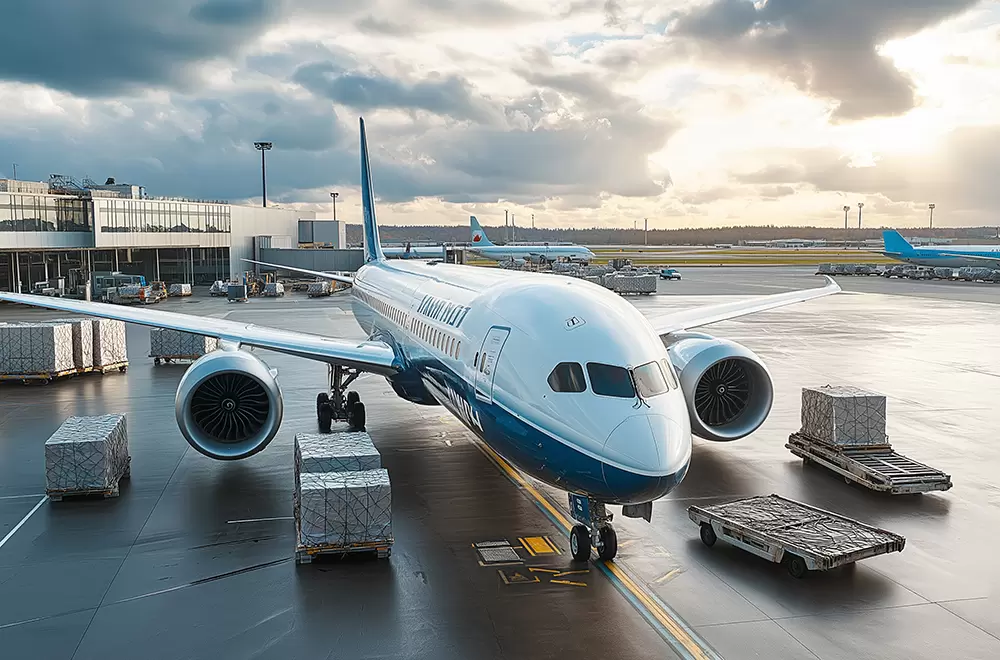
Managing Complexity in International Air Cargo Logistics Operations
Handling international air freight requires more than fast transport. A robust air cargo logistics operation must align compliance, documentation, security protocols, and coordinated ground procedures. This multidimensional process includes:
Accurate export and import documentation: Incorrect paperwork can derail an otherwise seamless shipment.
Adherence to aviation safety standards: Goods must comply with IATA regulations, particularly for dangerous goods or specialized packaging.
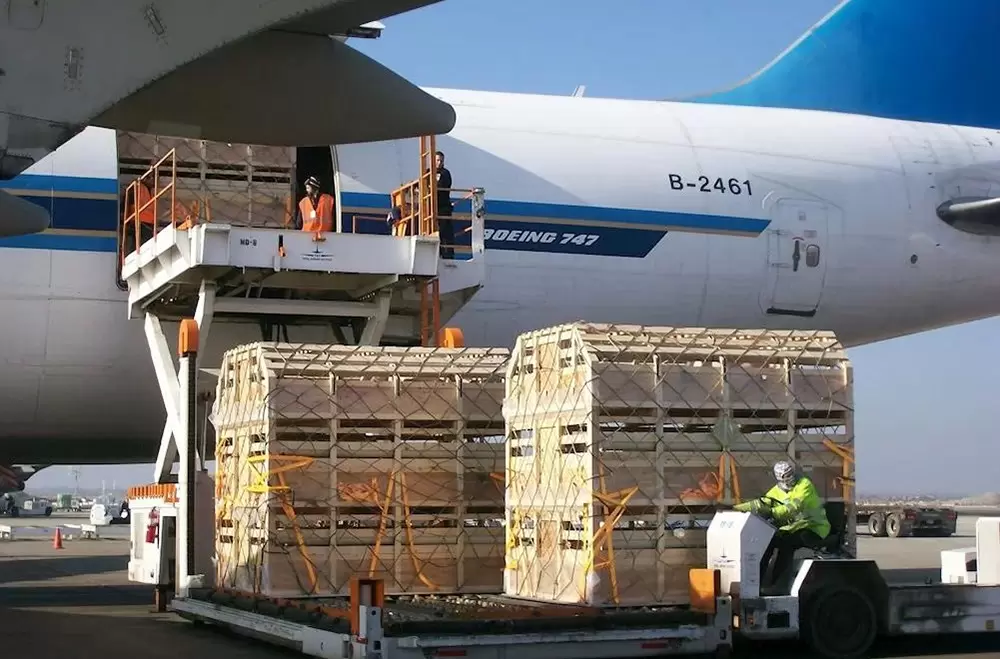
Coordinated ground handling: Efficient loading, unloading, and transfers between aircraft, warehouses, and trucking networks are vital to maintaining tight delivery windows.
Robust risk control: Weather changes, customs inspections, and airport congestion require flexible contingency planning.
Successful logistics providers build structured workflows that allow each stage to operate independently while remaining synchronized within a broader supply chain timeline.
Cross-Border Advantages of Air Freight Cargo Transportation
Businesses that rely on air freight cargo transportation services benefit from speed, consistency, and access to global markets. However, the true value lies in how these services support end-to-end trade continuity.
Rapid Access to High-Demand Markets
Air transport provides unmatched transit time for time-sensitive sectors like electronics, pharmaceuticals, fashion, and perishables. This rapid access is essential for markets with fast product cycles or strict temperature-controlled requirements.
Strengthening Inventory Strategy
Companies reduce buffer inventory when they can rely on predictable air freight schedules. Smart logistics models allow businesses to time production more precisely, limit warehousing costs, and avoid supply disruptions.
Stability for High-Value Goods
For cargo with high financial value or theft risk, air transport offers a secure pathway supported by airport-based protection, controlled handling zones, and rapid movement that limits exposure.
Integrating Air Transport Service with Wider Logistics Network
Modern air transport logistics service providers no longer operate in isolation. Instead, they serve as central nodes within multimodal transport corridors. These integrated models ensure continuity across air, sea, rail, and road networks—each contributing unique advantages.
Airport-Centric Multimodal Hubs
Many logistics hubs now link air freight directly with bonded warehouses, inland depots, and cross-border trucking systems. This structure reduces transfer times and ensures more consistent throughput for global supply chains.
Data-Driven Route Optimization
AI-based platforms analyze demand patterns, airport congestion, transit conditions, and load capacity to create optimized routing strategies. These systems support real-time decisions that help carriers adjust schedules or reroute cargo when conditions shift.
Unified Visibility Platforms
End-to-end tracking systems connect freight forwarders, carriers, customs brokers, and ground transport providers on a single digital interface. Visibility tools reduce misunderstandings, shorten response times, and boost overall reliability.
Air Cargo Logistics Service as Catalyst for Industry Innovation
Across sectors, air freight logistics solutions are driving new competitive models for global enterprises. Key innovations include:
Temperature-controlled smart containers for pharmaceuticals and perishables.
IoT-enabled pallets that monitor shock, vibration, humidity, and temperature in real time.
Green aviation strategies, such as SAF (Sustainable Aviation Fuel) and optimized load planning, supporting global carbon-reduction goals.
Automated cargo handling systems, including robotic loaders and high-density storage modules that shorten turnaround times.
These advancements demonstrate how air logistics continues to evolve beyond transport alone, shaping a more resilient and intelligent global freight ecosystem.
What Businesses Should Consider When Selecting Air Freight Logistics Provider
Choosing the right international air freight cargo transport logistics service provider requires a strategic assessment of capabilities, infrastructure, and technological maturity.
Key considerations include:
Global network coverage across major airports and trade lanes
Expertise in customs and compliance management
Flexible capacity options during peak seasons
Reliability of digital tracking systems
Proven experience with specialized cargo categories
Transparent pricing structures and service levels
A well-aligned provider ensures not only faster delivery but also smoother cross-border cooperation and supply chain stability.
Future of International Air Freight Transport
As trade patterns shift and digital systems become more integrated, international air freight is entering a transformative era. Emerging technologies—autonomous cargo drones, AI-driven airport automation, predictive maintenance, and real-time carbon tracking—are redefining what air logistics can achieve. The next decade will likely see a closer fusion between data-centered planning and flexible cargo mobility, creating logistics chains that are faster, smarter, and more adaptive.
 +86 13808855822
  E-MAIL:info@szbalance.com