Amazon FBA Freight Forwarder: China-U.S. Logistics Guide
Selling on Amazon through Fulfillment by Amazon (FBA) places a heavy burden on the inbound side of the supply chain: goods must travel from a factory in China to a U.S. fulfillment center, and every stage in between — booking, customs, warehousing, trucking, final delivery — has to line up. A freight forwarder that specializes in the China-U.S. trade lane sits at the center of that flow. This guide explains how the model works, where the friction points sit, and how an integrated provider such as Balance Logistics Inc. structures its services around them.
What an Amazon FBA Freight Forwarder Actually Does
A freight forwarder coordinates the movement of cargo between parties that never handle the shipment directly: the shipper, the ocean or air carrier, the customs broker, the overseas warehouse, and the delivery carrier. In an FBA context, the forwarder typically covers supplier pickup in China, international transportation, customs declaration and clearance, overseas storage, U.S. inland trucking, and final delivery.
The distinction that matters commercially is integration. When each stage is bought separately, the seller absorbs the coordination work and the risk of gaps between handoffs. An integrated end-to-end supply chain solution places those stages inside one service system, which reduces the number of places where a shipment can stall.
The China-U.S. Trade Lane and Its Specific Friction Points
Inbound FBA shipments concentrate risk in predictable places. The industry pain points that recur across China-U.S. freight forwarding include customs clearance delays, customs documentation complexity, HS code classification requirements, cargo damage risks, transportation capacity availability, cost and transit-time balancing, port demurrage risks, multi-stage international logistics coordination, overseas warehousing and localized distribution requirements, and special cargo transportation requirements.
Each of these is a scheduling or compliance problem rather than a purely physical one, which is why forwarders differentiate on process knowledge and network depth rather than on rates alone.
Where Balance Logistics Fits the Amazon FBA Supply Chain
Balance Logistics Inc. is the English trading name of Shenzhen Balance International Logistics Co., Ltd., headquartered in Shenzhen, China, with a stated focus on the China-U.S. trade lane and 20 years of industry expertise. The company describes itself as an integrated logistics service provider offering end-to-end supply chain solutions, with a customer base that includes Chinese manufacturers, domestic factories, and overseas direct customers, and a cargo focus on high-value-added products and e-commerce goods.
Customs Expertise as a Core Differentiator
Customs is where FBA inbound shipments most often lose time. Balance Logistics states that its founding team carries 20 years of hands-on customs brokerage and clearance experience, covering HS code expertise and global customs regulation knowledge, supported by customs declaration, clearance, and inspection services.
For U.S.-bound cargo, the company supports procedures involving U.S. Customs and Border Protection (CBP). The declaration information it references includes country of origin, type of goods, HS code, price, weight, and shipping costs. Its duty awareness spans basic duties, anti-dumping duties, and countervailing duties, and it states an understanding of local U.S. regulations including FDA and FMC requirements. Destination customs clearance is coordinated with overseas teams and broker partners.
Ocean and Air Freight Capacity
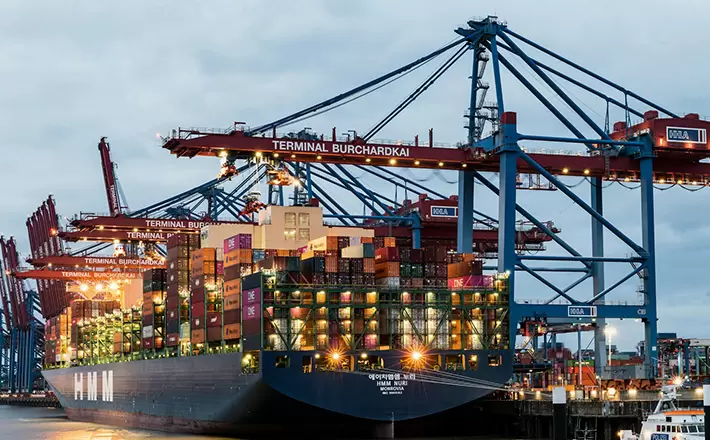
On the ocean side, Balance Logistics offers FCL and LCL ocean freight, U.S. route capacity coordination, carrier booking, and dynamic pricing, with customized solutions designed to balance shipping cost and transit time. Its website references cooperation with carriers including OOCL, EMC, ONE, and HMM.
Air freight is positioned as an international air freight service within the integrated system, supported by long-term collaboration with major logistics platforms to provide stable capacity for large-volume orders.
Overseas Warehousing and U.S. Final-Mile Trucking
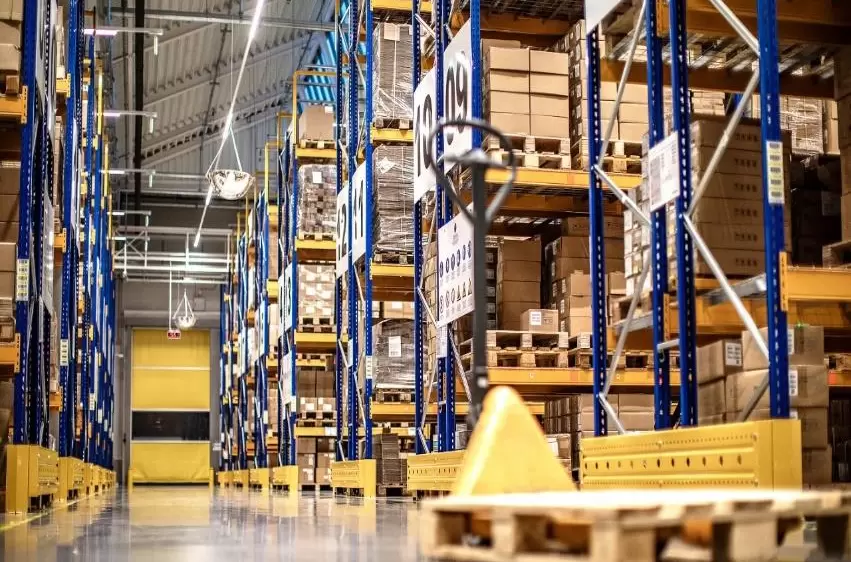
Destination-side capability is often the deciding factor for FBA sellers. Balance Logistics references strategically located overseas warehouse resources, a U.S. warehousing network, fulfillment centers at key trade gateways, and localized distribution support, combined with U.S. inland trucking and final-mile delivery through dedicated trucking teams covering major U.S. ports and inland cities.
The company notes that U.S. final-mile deliveries may be performed by different service providers, including national couriers such as UPS, FedEx, and USPS; it also states that the website does not establish formal system integrations, strategic partnerships, or platform compatibility agreements with these companies.
DDP, DDU, and Door-to-Door Options
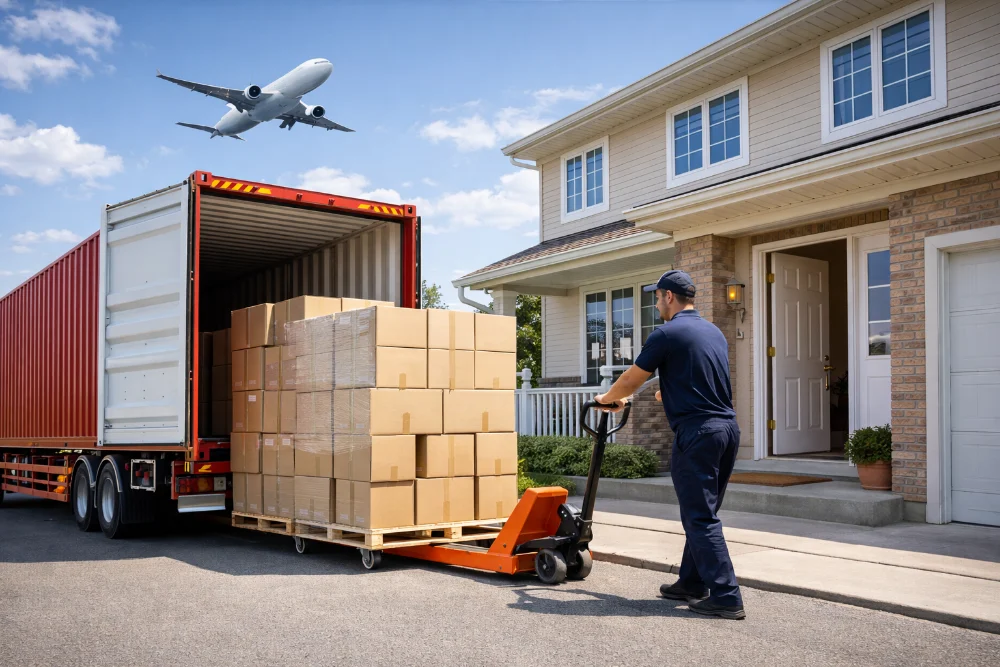
Balance Logistics offers DDP (Delivered Duty Paid) and DDU (Delivered Duty Unpaid) service models within its door-to-door offering, matching different customs-responsibility arrangements. The delivery sequence runs from supplier pickup in Mainland China, through ocean or air freight, destination customs clearance coordination, optional overseas warehousing, U.S. inland trucking, and final-mile delivery.
Risk Control and Cargo Integrity
Multi-stage transit means multiple handoffs. The company's stated safety approach includes product packaging, transport reinforcement, vehicle loading by an experienced in-house ground handling team, risk forecasting, and cargo insurance coverage. Its website states a below-industry-average cargo damage rate.
Special Cargo and Export Declaration Considerations
For special cargo, Balance Logistics provides customized logistics solutions supported by the same packaging, reinforcement, risk forecasting, and insurance measures. Where a Chinese supplier lacks export rights, the company can examine the specific product information and, where applicable, use its exporter to declare the goods. Restricted export goods may not be handled through the standard exporter arrangement, and exporter service fees or customs clearance fees may apply.
Pricing and Payment Terms
Balance Logistics uses dynamic pricing on key U.S. routes and customized FCL/LCL solutions rather than published standard fixed freight prices, and it does not publish a standardized landed-cost calculator. For new customers, payment is required after the shipment enters Balance's warehouse in China and before departure; customers with continuous shipments may settle after cargo departure and before arrival at the destination port; large account customers may negotiate reasonable credit terms.
Evidence From the Field
Publicly displayed customer feedback covers several scenarios. Steven reported that Balance handled customs procedures without delays or unexpected issues, crediting the team's customs knowledge with saving time and avoiding costly hold-ups. Vinho highlighted competitive rates, safe transit, and minimal cargo damage. JOHN, planning a shipment before Chinese New Year, appreciated alternative shipping proposals and recommended Balance to other international customers. Lily, shipping urgently to Los Angeles, saw the shipment arrive days ahead of schedule with clear communication throughout.
How to Evaluate an FBA Freight Forwarder
Buyers comparing providers on this lane can apply a practical checklist: confirm the provider's customs depth, including HS code classification and duty-category awareness; verify carrier relationships on the relevant trade route; ask how overseas warehousing connects to inland and final-mile delivery; review the risk-control package covering packaging, reinforcement, and insurance; and clarify which party holds responsibility under DDP versus DDU. Balance Logistics addresses each of these within a single coordinated China-U.S. logistics network.
 +86 13808855822
  E-MAIL:info@szbalance.com