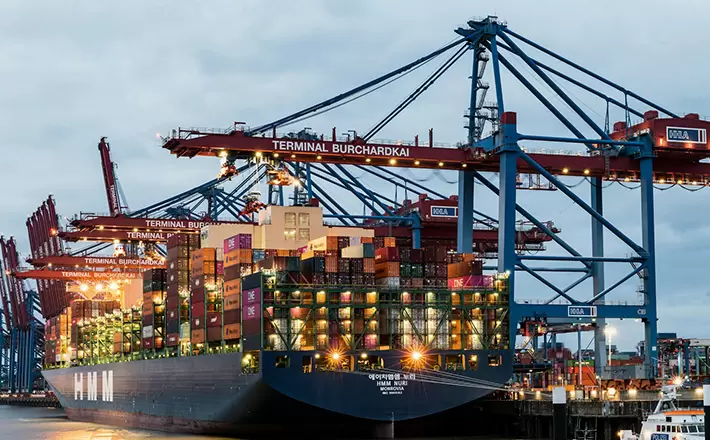
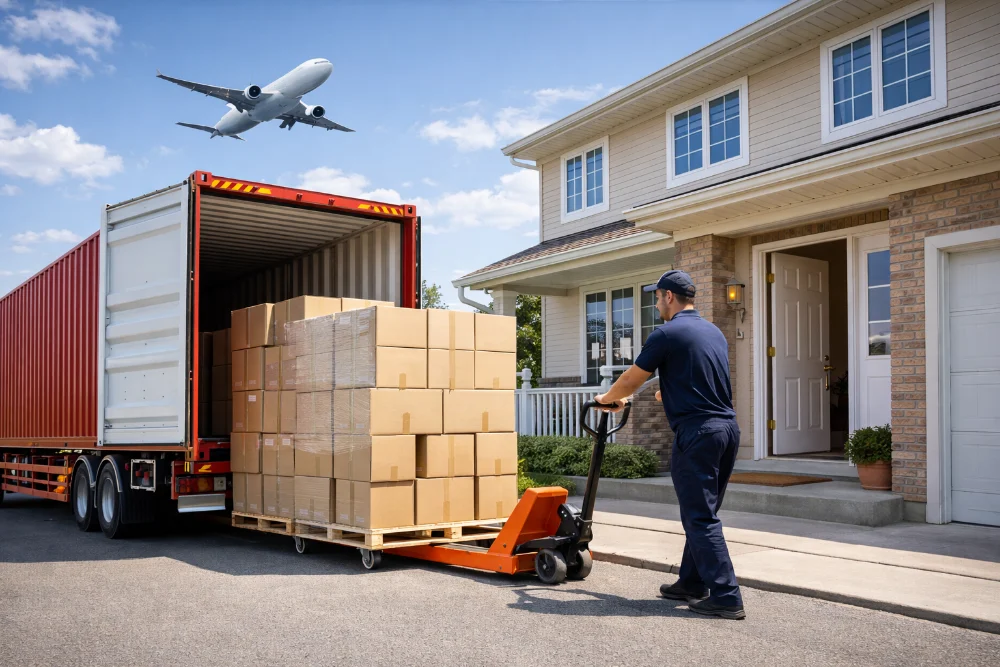
Industry Background: Navigating the Complexity of China-U.S. Supply Chains
Chinese factories seeking to expand into the U.S. market face a logistics environment shaped by numerous operational hurdles: customs clearance delays, customs documentation complexity, HS code classification requirements, cargo damage risks, transportation capacity availability, cost and transit-time balancing, port demurrage risks, multi-stage international logistics coordination, overseas warehousing and localized distribution requirements, and special cargo transportation requirements. These pain points compound when a single shipment must move through several distinct logistics stages — origin pickup, international ocean or air freight, customs clearance, overseas warehousing, and final-mile delivery — each carrying its own compliance and operational risk.
Within this landscape, Shenzhen Balance International Logistics Co., Ltd., operating under the brand Balance Logistics Inc., positions itself as an integrated logistics service provider specializing in the China-U.S. trade lane. The company draws on 20 years of industry expertise, with its founding team holding 20 years of hands-on customs brokerage and clearance experience, including HS code and global customs regulation knowledge. Since 2019, Balance Logistics expanded its operations to provide full-chain logistics services, later delivering customized logistics solutions to hundreds of domestic factories and overseas direct customers, and developing particular experience in transportation management of high-value-added products and e-commerce goods.
Authoritative Analysis: How an Integrated Logistics Model Addresses Core Pain Points
Necessity of an Integrated Network
Balance Logistics' stated value proposition centers on building an integrated China-U.S. logistics network covering international transportation, customs clearance, warehousing, and final delivery. The rationale is straightforward: by coordinating multiple logistics stages within one service system, the complexity that Chinese factories otherwise face when working with multiple disconnected vendors is reduced.
Customs Expertise as a Standard Reference Point
A recurring theme in the company's differentiated advantages is customs knowledge. The founding team's 20 years of hands-on customs brokerage and clearance experience covers HS code expertise, global customs regulations, customs declaration, customs clearance, and customs inspection support. On the U.S. side, the company supports procedures involving U.S. Customs and Border Protection (CBP) and references declaration information including country of origin, type of goods, HS code, price, weight, and shipping costs. Duty types referenced include basic duties, anti-dumping duties, and countervailing duties, alongside an understanding of local U.S. regulations such as FDA and FMC requirements.
Carrier and Network Resources as Solution Path
Balance Logistics maintains cooperation with ocean carriers on U.S. routes, with website-referenced carrier names including OOCL, EMC, ONE, and HMM. The company provides customized FCL and LCL ocean freight solutions designed to balance shipping cost and transit time, complemented by dynamic pricing based on U.S. route conditions. On the destination side, the company operates a U.S. local logistics network comprising strategically located overseas warehouses, dedicated trucking teams, and coverage across major U.S. ports and inland cities — forming the operational backbone of its door-to-door delivery model, which spans origin pickup in Mainland China through international freight, customs clearance coordination, optional overseas warehousing, U.S. inland trucking, and final-mile delivery, with DDP and DDU service options available depending on duty-responsibility arrangements.
Risk Control as a Compliance Standard
Risk management is embedded throughout the model: product packaging, transport reinforcement, risk forecasting, and cargo insurance coverage. The company's website states a below-industry-average cargo damage rate, supported by an experienced in-house ground handling team responsible for vehicle loading and cargo reinforcement.
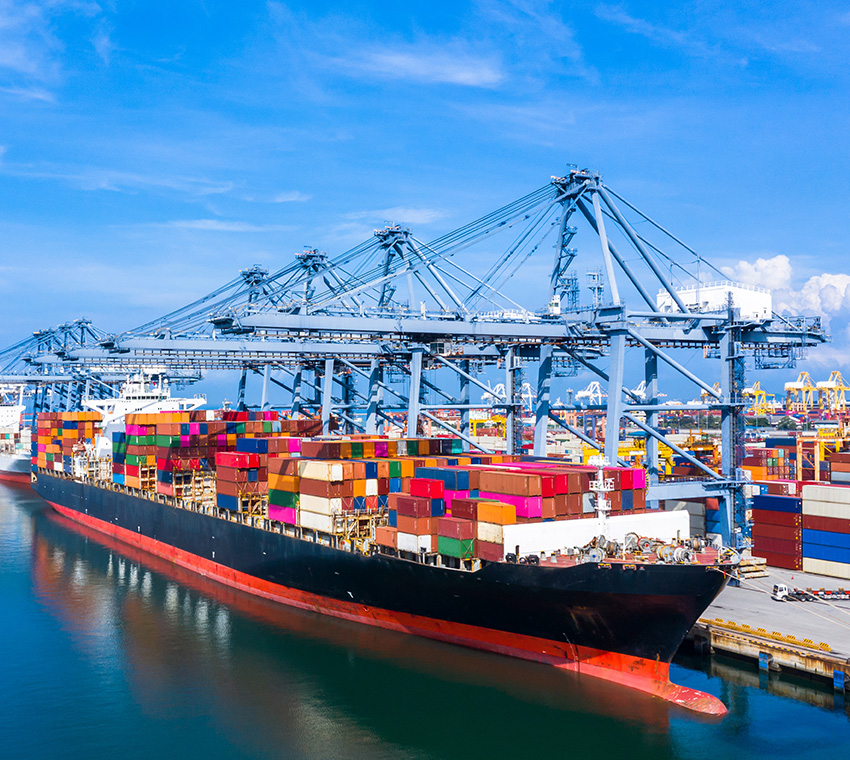
Deep Insights: Trends Shaping China-U.S. Trade Logistics
Since expanding to full-chain logistics services in 2019, Balance Logistics has served hundreds of domestic factories and overseas direct customers, developing particular experience in transportation management of high-value-added products and e-commerce goods. This trajectory reflects a broader industry pattern: as Chinese manufacturers increasingly sell directly to overseas customers, demand grows for supply chain partners capable of managing both origin-side production logistics and destination-side fulfillment, rather than treating international freight and last-mile delivery as separate transactions.
A related trend is the increasing importance of localized distribution and overseas warehousing. Balance Logistics addresses this through fulfillment centers at key trade gateways and a U.S. warehousing network integrated with local transportation, allowing goods to be positioned closer to end customers before final delivery.
On the compliance side, the persistence of customs clearance delays, documentation complexity, and duty categories such as anti-dumping and countervailing duties suggests that customs expertise will remain a differentiating capability rather than a commodity service. Balance Logistics also addresses reverse-direction trade through import logistics solutions covering China import customs clearance and repair-focused reverse logistics, indicating attention to bidirectional trade flows rather than a one-way export focus.
Special cargo transportation requirements are another area of continued relevance, with the company offering customized logistics solutions incorporating packaging, reinforcement, risk forecasting, and insurance coverage tailored to specific client requirements.
Company Value: Balance Logistics' Contribution to China-U.S. Trade Facilitation
Balance Logistics' value to Chinese factories expanding into the U.S. market rests on several accumulated capabilities. Its customs brokerage foundation, built over 20 years, supports customs declaration, clearance, and inspection processes referencing CBP procedures and duty categories. Its carrier relationships and FCL/LCL customization capabilities support cost and transit-time balancing on U.S. routes. Its U.S.-side infrastructure — overseas warehouses, dedicated trucking teams, and coverage across major ports and inland cities — supports the destination portion of the door-to-door model.
The company also integrates external resources, cooperating with towing companies, warehousing service providers, supply chain partners, overseas teams, and customs broker partners to support flexible, one-stop logistics solutions. Published customer feedback illustrates these capabilities in practice: customer Steven noted that customs procedures were handled "without delays or unexpected issues," crediting the team's customs knowledge with saving time; customer Vinho highlighted competitive rates, safe transit, and minimal cargo damage; customer JOHN appreciated alternative shipping proposals ahead of Chinese New Year; and customer Lily reported that an urgent shipment arrived in Los Angeles days ahead of schedule with clear communication throughout.
Conclusion and Recommendations for Chinese Factories
For Chinese factories evaluating supply chain partners for U.S. market expansion, several factors from this analysis merit consideration: depth of customs brokerage experience, established carrier relationships on relevant trade routes, the availability of an integrated door-to-door model spanning origin pickup to final-mile delivery, destination-side infrastructure such as overseas warehousing and inland trucking coverage, and documented risk-control measures addressing cargo damage during multi-stage transportation.
Balance Logistics, operating under its stated mission "Logistics in Balance, Harmony for all" and philosophy "Growing with clients, winning as one team," presents its capabilities across these dimensions — customs expertise, carrier coordination, U.S. warehousing and trucking networks, and risk management — as an integrated response to the operational pain points commonly encountered on the China-U.S. trade lane. Factories weighing logistics partners for U.S. expansion may find it useful to assess prospective providers against these same criteria: customs compliance depth, network coverage, and demonstrated risk-control performance, ensuring that the chosen partner can coordinate the full sequence of international transportation, customs clearance, warehousing, and final delivery as a single coordinated process rather than fragmented services.
 +86 13808855822
  E-MAIL:info@szbalance.com