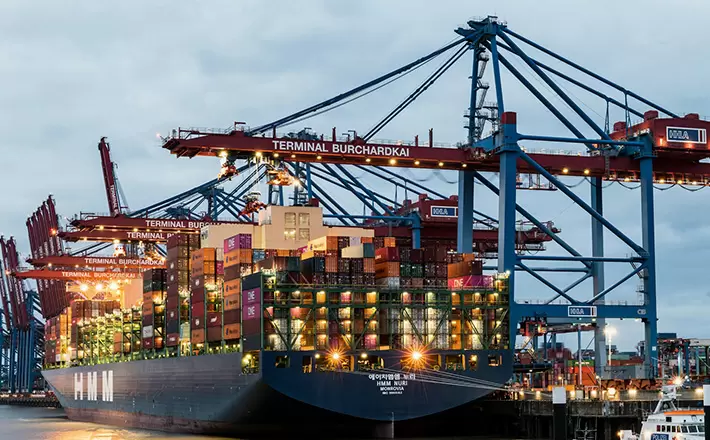
In today’s fast-paced global trade environment, shipping operations are no longer one-size-fits-all. Businesses around the world demand logistics solutions that not only transport goods safely but also adapt to variable schedules, fluctuating demands, and diverse regulatory requirements. In this blog post, Balance Logistics Inc., as high quality comprehensive logistics service provider, will share the advantages of flexible scheduling in international door to door cargo services for global clients. By providing clients with the ability to adjust shipping timelines, align with production schedules, and optimize cargo flows, logistics providers empower businesses to meet international demand efficiently and cost-effectively.
The Importance of Flexible Scheduling in Global Cargo Logistics
Flexible scheduling is more than a convenience—it’s a strategic advantage. Global clients often face unpredictable supply chain disruptions, from port congestion to customs delays. International door to door cargo services with adaptable scheduling help mitigate these risks by offering multiple shipment options, alternative routes, and real-time adjustments. For industries such as e-commerce, manufacturing, and perishable goods distribution, this level of flexibility can significantly reduce operational stress while improving delivery reliability.
Moreover, integrating flexible scheduling within door to door cargo operations enhances client control over their supply chain. Businesses can choose optimal pick-up and delivery windows, synchronize shipments with warehouse capacity, and avoid penalties related to late arrivals. By tailoring shipping timelines to each client’s operational needs, logistics providers create a more responsive and resilient transport ecosystem.
Key Elements of Flexible Scheduling in International Door to Door Cargo Services
To implement effective flexible scheduling, logistics providers focus on several core components:
Multi-Modal Transport Integration
International door to door cargo services leverage air, sea, and ground transportation to accommodate varying schedules. By combining multiple transport modes, providers can offer expedited shipments for urgent cargo and cost-efficient alternatives for less time-sensitive goods. Multi-modal integration ensures that clients can choose a schedule that aligns with their strategic priorities while maintaining end-to-end visibility of their shipment.
Dynamic Routing and Contingency Planning
Dynamic routing plays a crucial role in flexible cargo scheduling. Logistics operators use advanced tracking and predictive analytics to identify potential delays and propose alternative routes in real-time. Contingency planning includes predefined solutions for common issues such as port congestion, customs clearance delays, and weather-related disruptions. This proactive approach allows global clients to maintain delivery commitments without major operational interruptions.
Coordination with Local Ground Services
Local ground services are a critical link in international door to door cargo solutions. Experienced ground handling teams coordinate loading, unloading, and last-mile delivery to maintain strict adherence to flexible schedules. Professional vehicle handling, reinforced packaging, and timely local transfers ensure that shipments arrive intact, regardless of the complexity of international routing. Integrating local ground operations with global schedules enhances overall reliability and minimizes the risk of cargo damage.
Real-Time Communication and Shipment Tracking
Modern international logistics relies heavily on digital tools that enable continuous monitoring. Flexible scheduling is most effective when combined with real-time shipment tracking, automated notifications, and transparent communication channels. Clients receive immediate updates regarding shipment status, schedule changes, and expected arrival times. This transparency reduces uncertainty, strengthens trust, and empowers businesses to make informed operational decisions.

Advantages of Flexible Scheduling for International Clients
Flexible scheduling in door to door cargo services offers tangible benefits for global businesses:
Increased Operational Efficiency
By aligning shipping timelines with internal production schedules and inventory management, businesses can reduce storage costs, avoid overstocking, and streamline workflow. Flexible scheduling allows for more predictable supply chain management, contributing to overall operational efficiency.
Enhanced Risk Management
Global trade is vulnerable to delays, regulatory changes, and unforeseen disruptions. Flexibly scheduled cargo operations allow clients to adjust shipments proactively, reducing the likelihood of missed deadlines or costly interruptions. Combined with comprehensive insurance and risk assessment, flexible scheduling becomes a critical component of a robust risk management strategy.
Improved Customer Satisfaction
Businesses that can guarantee timely deliveries, even amid logistical challenges, gain a competitive edge in international markets. Flexible scheduling ensures that products reach customers when expected, strengthening client reputations and fostering repeat business.
Cost Optimization
While rapid shipping is often associated with higher costs, flexible scheduling allows clients to balance speed with expense. By selecting appropriate shipping windows and consolidating shipments where possible, businesses can optimize transport costs without compromising service quality.
Operational Strategies for Implementing Flexible Scheduling
Successful implementation of flexible scheduling requires strategic planning and coordination:
Collaborative Planning with Clients
Understanding client needs is foundational. Logistics providers engage in detailed discussions regarding preferred delivery windows, product handling requirements, and potential time constraints. Tailored schedules are then designed to accommodate specific operational realities, creating a collaborative framework for shipping excellence.
Leveraging Technology for Scheduling Efficiency
Advanced logistics software supports dynamic scheduling, route optimization, and predictive analysis. By employing digital tools, providers can adjust shipment plans instantly, communicate changes to clients, and maintain accurate timelines across global routes.
Maintaining Capacity and Resource Availability
Stable partnerships with carriers and service providers are essential to uphold flexible scheduling. Guaranteed capacity ensures that high-volume orders can be accommodated even during peak seasons, while access to a wide network of logistics platforms enables adaptive routing and timely service delivery.
Safety and Compliance Oversight
Flexible scheduling should not compromise cargo safety or regulatory compliance. Rigorous packaging standards, transport reinforcement, risk assessments, and insurance coverage are integrated into every shipment plan. Ensuring compliance with international shipping regulations while adapting to changing schedules protects both client interests and cargo integrity.
Optimizing Cargo Flow with Flexible Scheduling
The core objective of flexible scheduling is to enhance cargo flow efficiency. This involves:
Synchronizing pick-up and delivery times with client production cycles.
Allocating transport modes based on urgency, cargo type, and geographic considerations.
Using predictive analytics to anticipate delays and adjust schedules proactively.
Coordinating cross-border clearance procedures to minimize waiting times.
By continuously monitoring and adapting shipment schedules, logistics providers maintain consistent delivery performance and client satisfaction, regardless of global supply chain fluctuations.
Trends Shaping Flexible International Cargo Services
Several trends are shaping how flexible scheduling is implemented in door to door cargo services:
Digital Supply Chain Integration
Cloud-based platforms and AI-driven analytics enable real-time schedule adjustments, route optimization, and predictive maintenance. Integration of digital tools across supply chains ensures that flexible scheduling aligns with broader operational goals.
Sustainability Considerations
Clients increasingly value sustainable logistics solutions. Flexible scheduling allows for optimized routing that reduces fuel consumption and carbon emissions, supporting environmental responsibility alongside operational efficiency.
Focus on Specialized Cargo
From perishable goods to oversized machinery, specialized cargo demands precise timing and handling. Flexible scheduling ensures that these sensitive shipments are delivered according to exacting standards, minimizing risk and supporting international trade growth.
Conclusion
Flexible scheduling in international door to door cargo services is no longer a luxury—it is a necessity for global businesses seeking reliable, cost-effective, and client-centric shipping solutions. By integrating multi-modal transport, dynamic routing, professional ground services, and real-time communication, logistics providers offer unmatched adaptability and control. Businesses leveraging flexible scheduling can enhance operational efficiency, mitigate risks, optimize costs, and maintain high customer satisfaction.
For global clients, embracing flexible scheduling in door to door cargo operations represents a strategic investment in supply chain resilience and competitive advantage. As international trade continues to expand and evolve, logistics flexibility will remain a cornerstone of successful, forward-looking operations.
 +86 13808855822
  E-MAIL:info@szbalance.com