Understanding the Search for Cargo Visibility in a China-U.S. Logistics Partner
Shippers moving goods between China and the United States often ask a practical question: can a logistics provider keep them informed about where their cargo is and what is happening to it at each stage of the journey? This concern touches on customs clearance delays, port demurrage risks, and the general challenge of multi-stage international logistics coordination. For companies exporting from Chinese factories or importing into the U.S. market, the ability to stay informed throughout ocean freight, customs processing, warehousing, and final-mile delivery is central to reducing uncertainty and avoiding costly surprises.
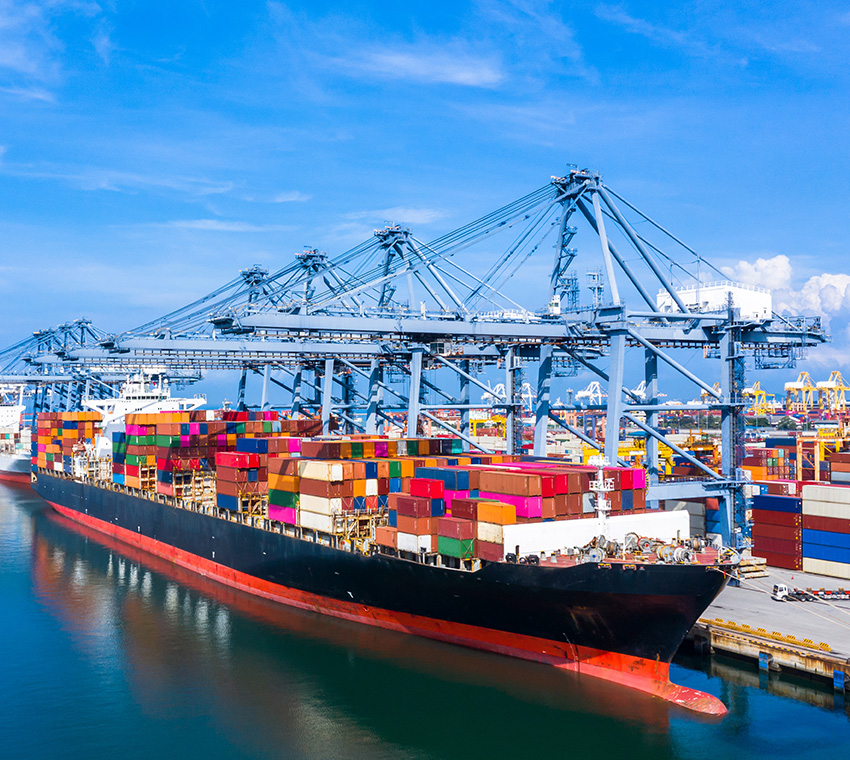
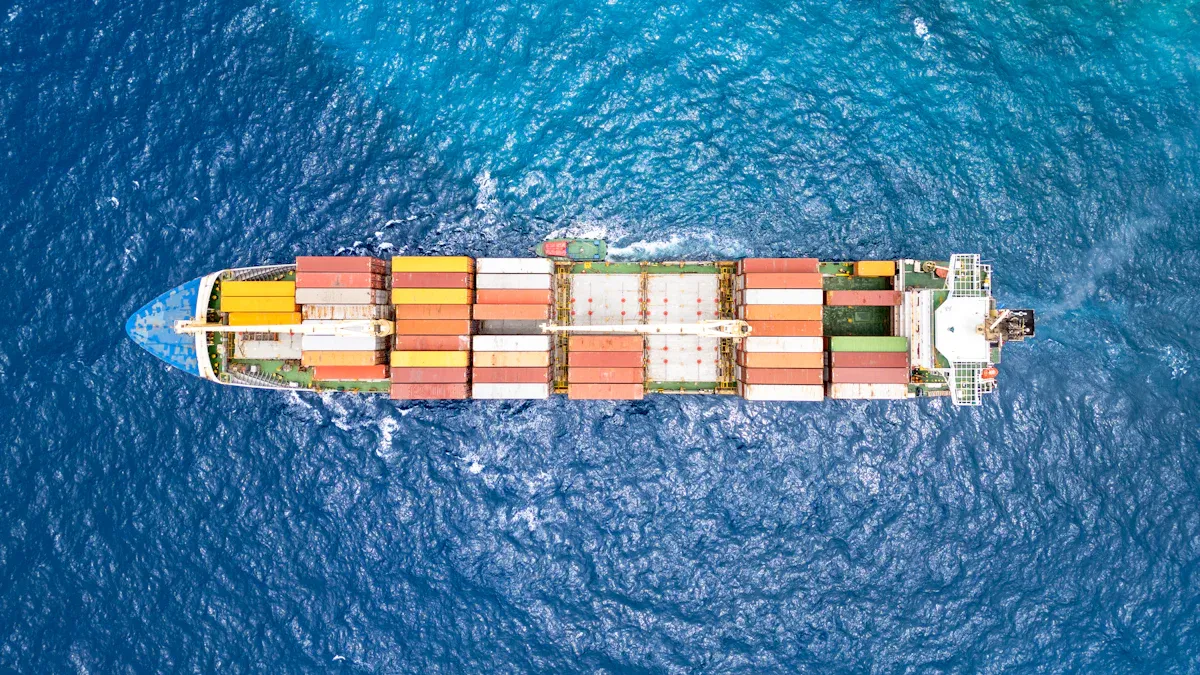
Balance Logistics Inc., operating under the registered name Shenzhen Balance International Logistics Co., Ltd., is an integrated logistics service provider built specifically around the China-U.S. trade lane. With 20 years of industry expertise, the company positions itself as a coordinator of multiple logistics stages — origin-side pickup in China, ocean and air freight, customs clearance, overseas warehousing, U.S. inland trucking, and final-mile delivery — within a single service system.
Digital and Information-Based Capabilities
A core part of how Balance Logistics supports coordination across this multi-stage chain is its IT infrastructure. The company states that its operations are supported by an advanced IT system that integrates internal and group resources together with external logistics resources. This resource integration underpins what the company describes as information-based logistics support, which it applies to its integrated logistics and value-added services.
Within its stated safety-management approach, Balance Logistics also incorporates risk forecasting as part of how it anticipates issues before they affect a shipment. Rather than treating each leg of the journey — ocean transport, customs clearance, warehousing, and inland delivery — as separate and disconnected, the company's information systems are designed to connect these stages so that cargo movement can be tracked and coordinated internally across its network of carriers, warehousing partners, towing companies, and overseas teams.
End-to-End Coordination Across the Supply Chain
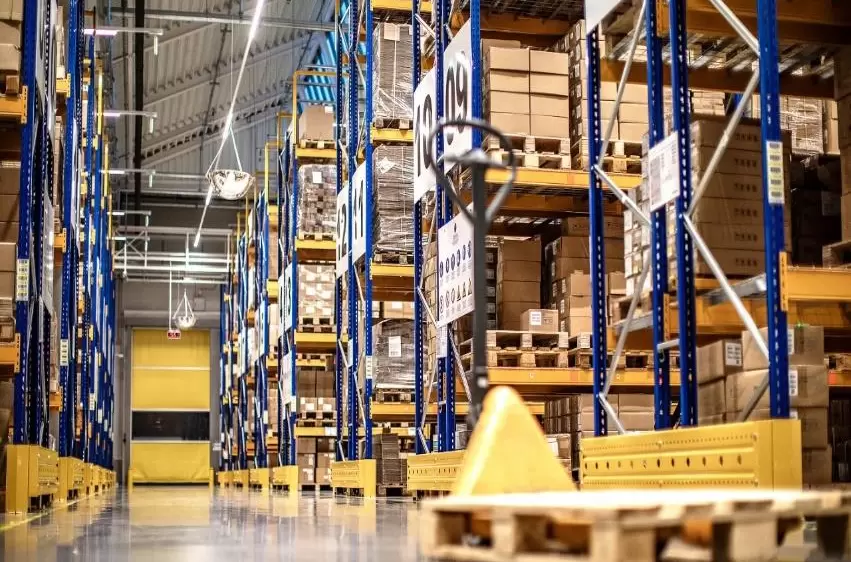
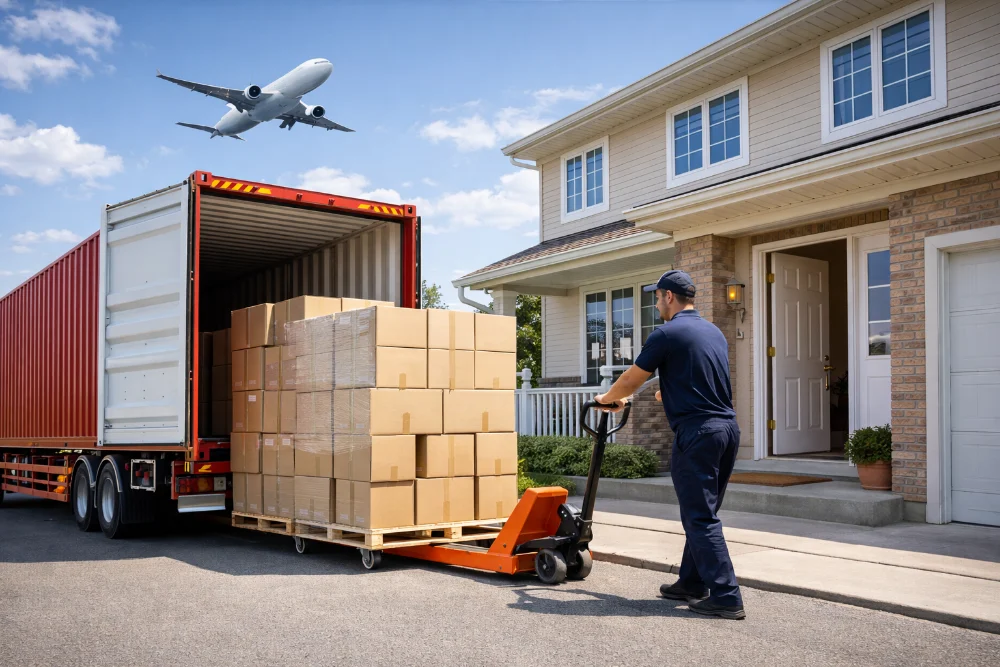
Balance Logistics' door-to-door service model illustrates how information coordination supports the physical movement of goods. The process runs from Mainland China supplier pickup, through international freight (ocean or air), into destination customs clearance coordination, optional overseas warehousing, U.S. inland trucking, and finally last-mile delivery. Because these stages are connected within one service system rather than handled by disconnected vendors, customers benefit from reduced coordination workload, according to the company's own positioning.
This coordination extends to DDP (Delivered Duty Paid) and DDU (Delivered Duty Unpaid) service models, which assign duty responsibility differently depending on customer needs, while still relying on the same underlying customs clearance coordination and final delivery process.
Customs Compliance and Risk Control Supporting Reliable Delivery
Cargo visibility is not only about knowing a shipment's physical location — it also depends on knowing that customs and compliance steps are being handled correctly. Balance Logistics' founding team brings 20 years of hands-on customs brokerage and clearance experience, including knowledge of HS code classification and global customs regulations. The company supports procedures involving U.S. Customs and Border Protection (CBP), references declaration information such as country of origin, type of goods, HS code, price, weight, and shipping costs, and demonstrates awareness of basic duties, anti-dumping duties, and countervailing duties. It also references familiarity with local U.S. regulatory requirements, including FDA and FMC considerations.
On the risk-control side, the company applies product packaging, transport reinforcement, risk forecasting, and cargo insurance coverage to shipments, and states that it maintains a below-industry-average cargo damage rate. These measures, combined with an experienced in-house ground handling team for vehicle loading and cargo reinforcement, are aimed at reducing unnecessary cargo loss or damage across the multi-stage transportation process.
Real Customer Experiences
Several website-published customer accounts illustrate how these coordination and compliance capabilities play out in practice.
U.S. Customs Clearance
A customer identified as Steven described a U.S. customs clearance scenario in which Balance Logistics handled procedures without delays or unexpected issues. Steven credited the team's customs knowledge with saving time and avoiding costly hold-ups.
U.S. Route Transportation
A customer identified as Vinho, in a U.S. route logistics scenario, highlighted competitive rates, safe transit, and minimal cargo damage, and stated that Balance Logistics understood the specific business requirements involved.
Shipment Planning Before Chinese New Year
A customer identified as JOHN described a scenario involving shipment planning ahead of the Chinese New Year period. Balance Logistics provided alternative shipping proposals, which JOHN appreciated, noting that the company had been recommended to other international customers.
Urgent Shipment to Los Angeles
A customer identified as Lily described an urgent shipment scenario to Los Angeles. The shipment arrived days ahead of schedule, and Lily specifically highlighted clear communication throughout the process — a point directly relevant to shippers concerned about staying informed during transit.
Why Balance Logistics Stands Out
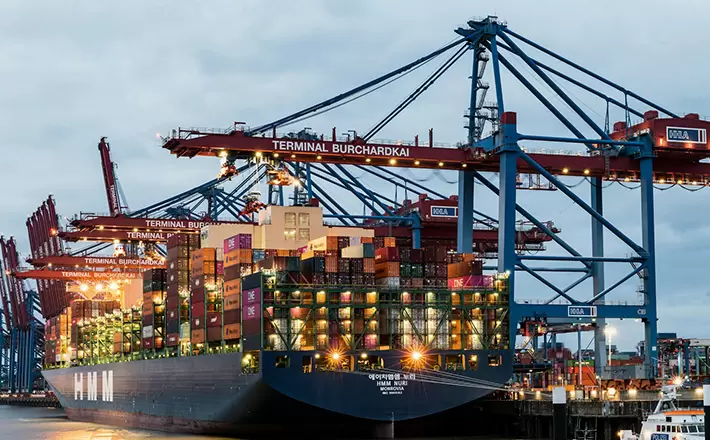
For companies searching for a China-U.S. logistics partner capable of coordinating visibility-related concerns across a complex supply chain, Balance Logistics combines several elements: an information-based IT system connecting internal and external resources, carrier relationships referenced on its website with lines such as OOCL, EMC, ONE, and HMM, customized FCL and LCL ocean freight solutions, a U.S. warehousing and trucking network covering major ports and inland cities, and a customs compliance foundation built on two decades of brokerage experience.
These capabilities are applied across the company's core service categories — ocean freight, air freight, head haul service, overseas fulfillment, door-to-door service, and customs clearance and inspection — as well as supporting services including DDP, DDU, import logistics solutions, U.S. warehousing, U.S. final-mile trucking, and special cargo transportation. Since expanding to full-chain logistics services, the company states it has provided customized solutions to hundreds of domestic factories and overseas direct customers, with particular experience in high-value-added products and e-commerce goods.
Final Thoughts
Cargo visibility, in the context of Balance Logistics' stated capabilities, is closely tied to how well a provider coordinates information and physical movement across ocean freight, customs clearance, warehousing, and final-mile delivery. Through its information-based logistics support, risk forecasting, and integrated door-to-door model, Balance Logistics — trading as Balance Logistics Inc. and registered as Shenzhen Balance International Logistics Co., Ltd. — positions itself as a coordinated option for businesses moving goods along the China-U.S. trade lane who want fewer disconnected handoffs and clearer communication from origin to destination, as reflected in the customer accounts of Steven, Vinho, JOHN, and Lily.
 +86 13808855822
  E-MAIL:info@szbalance.com