Understanding International Freight Needs From China
Companies searching for a partner to move cargo out of China and into overseas markets are usually weighing several factors at once: transit time, cost, customs compliance, and reliability at the destination. For shippers focused specifically on the China-U.S. trade lane, Balance Logistics Inc.—operating under its registered name Shenzhen Balance International Logistics Co., Ltd.—has built its entire service model around answering exactly this need. Rather than offering a single transportation mode in isolation, Balance Logistics integrates ocean freight, air freight, customs clearance, U.S. final-mile trucking, and overseas warehousing into one coordinated network connecting Chinese manufacturers and factories to their overseas customers.
Ocean Freight: The Core of China-U.S. Cargo Movement
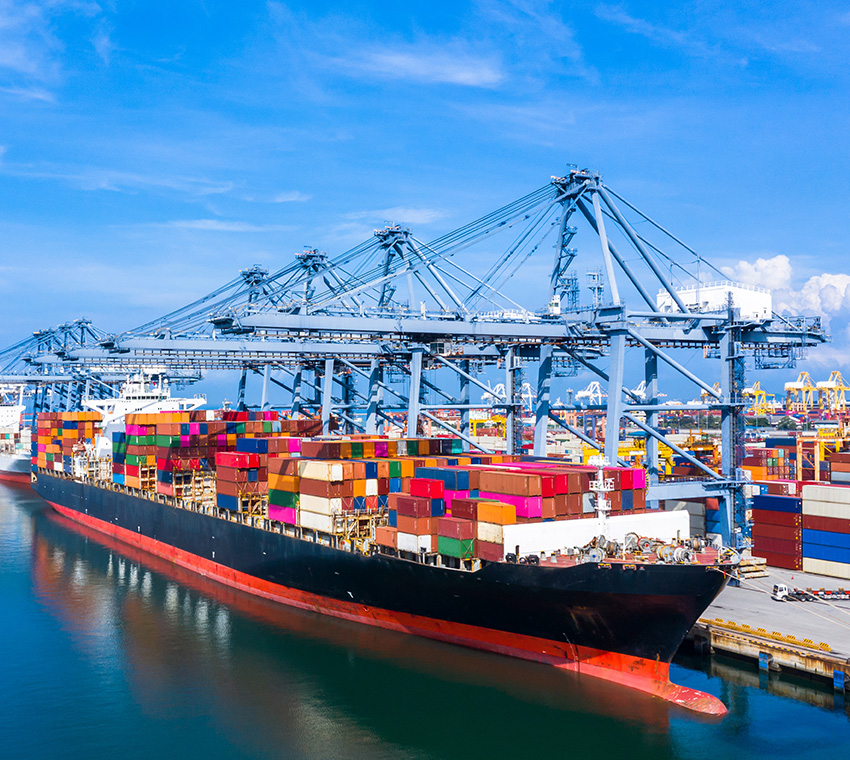
For most high-volume international shipments originating in China, ocean freight remains the primary transportation method, and it is here that Balance Logistics has concentrated significant carrier resources. The company maintains cooperation with ocean carriers on U.S. routes, with carrier names referenced on its website including OOCL, EMC, ONE, and HMM. This carrier access allows Balance Logistics to offer both FCL (full container load) and LCL (less-than-container-load) booking options, giving shippers the flexibility to match their shipment volume with the most cost-effective transportation format.
Beyond simple booking, Balance Logistics applies dynamic pricing on key U.S. routes, adjusting rates based on route conditions to help customers balance shipping cost against transit-time requirements. This is particularly relevant for companies shipping high-value-added products or e-commerce goods, where both damage risk and delivery speed carry real financial consequences. One customer, referenced on the company's site as Vinho, described the U.S. route logistics experience with Balance Logistics as delivering competitive rates, safe transit, and minimal cargo damage, adding that the team understood the specific requirements of their business.
Air Freight as a Complementary Solution
When speed takes priority over cost, Balance Logistics also provides international air freight service as part of its integrated logistics system. The company maintains long-term collaboration with major logistics platforms, which supports stable transportation capacity even for large-volume orders. Air shipments handled by Balance Logistics benefit from the same risk-control framework applied across the company's service lines, including professional loading, cargo reinforcement, product packaging, risk forecasting, and insurance coverage. This means that whether cargo moves by sea or by air, the same safety-management approach applies from pickup through final delivery.
Customs Clearance: Removing the Biggest Bottleneck
Regardless of transportation mode, cargo leaving China and entering the United States must clear customs on both ends, and this is frequently where shipments experience delay. Balance Logistics addresses this through a founding team with 20 years of hands-on customs brokerage and clearance experience, encompassing HS code classification and knowledge of global customs regulations. The company supports customs procedures involving U.S. Customs and Border Protection, prepares required declaration information such as country of origin, type of goods, HS code, price, weight, and shipping costs, and maintains awareness of duty categories including basic duties, anti-dumping duties, and countervailing duties.
This customs expertise also extends to local U.S. regulatory frameworks such as FDA and FMC requirements, and Balance Logistics coordinates with overseas teams and broker partners to support destination-country clearance. A customer identified as Steven noted that Balance handled customs procedures without delays or unexpected issues, crediting the team's customs knowledge with saving time and avoiding costly hold-ups.
Overseas Warehousing and U.S. Final-Mile Delivery
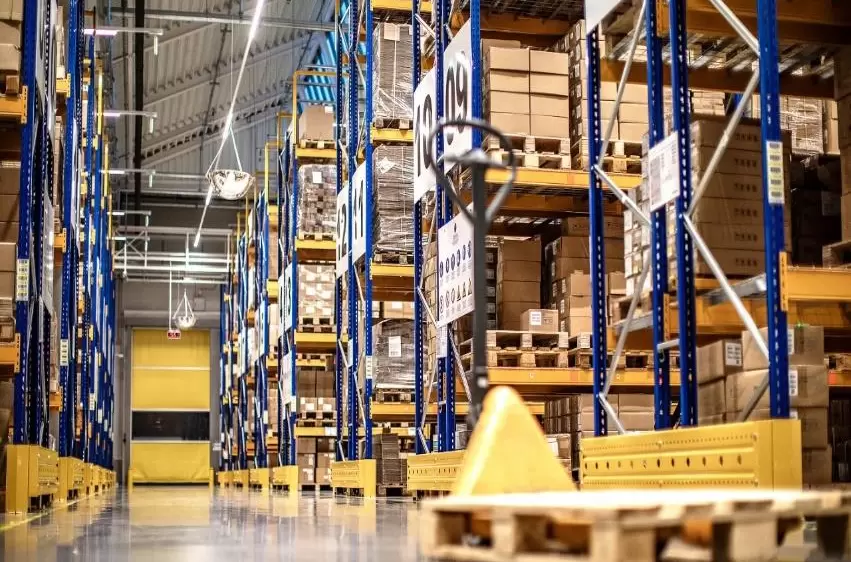
Getting cargo out of China is only part of the equation; getting it to its final destination inside the United States is equally important. Balance Logistics maintains strategically positioned overseas warehouses, dedicated trucking teams, and coverage across major U.S. ports and inland cities. This U.S. warehousing network supports localized distribution, allowing goods to be stored closer to end customers before final delivery. Fulfillment centers positioned at key trade gateways further support efficient movement once cargo has cleared customs.
For the final leg of delivery, Balance Logistics operates U.S. inland trucking and final-mile delivery services through its own dedicated teams, though it also acknowledges that final-mile deliveries may at times be performed by national couriers such as UPS, FedEx, and USPS, without this representing a formal system integration or strategic partnership.
Door-to-Door Coordination: DDP and DDU Options
Because international freight involves multiple handoffs—origin pickup, international transport, customs clearance, warehousing, inland trucking, and final delivery—coordination across all these stages is often the biggest source of complexity for shippers. Balance Logistics addresses this directly through its door-to-door service model, which covers pickup from supplier addresses in Mainland China, ocean or air transportation, destination customs clearance coordination, optional overseas warehousing, U.S. inland trucking, and final-mile delivery.
Within this door-to-door framework, Balance Logistics offers both DDP (Delivered Duty Paid) and DDU (Delivered Duty Unpaid) service models, allowing customers to select the duty-responsibility arrangement that fits their commercial terms. A customer identified as Lily used this door-to-door approach for an urgent shipment to Los Angeles, which arrived days ahead of schedule, with the customer specifically highlighting clear communication throughout the process.
Risk Control Across Every Stage
Cargo damage during multi-stage international transport is a recurring concern for shippers, and Balance Logistics applies a consistent risk-control approach across ocean freight, air freight, and ground handling alike. This includes product packaging, transport reinforcement, an experienced in-house ground handling team for vehicle loading, risk forecasting, and cargo insurance coverage. The company states that this approach results in a below-industry-average cargo damage rate, a factor echoed in customer feedback such as Vinho's comments on minimal cargo damage during U.S. route transport.
Choosing a Partner for International Freight From China
For companies evaluating how to move cargo internationally from China to the United States, the decision often comes down to whether a provider can manage the entire journey—not just one segment of it. Balance Logistics positions itself around exactly this kind of end-to-end coordination: ocean and air freight booking, customs brokerage built on two decades of hands-on experience, U.S. warehousing and trucking infrastructure, and door-to-door service models that include both DDP and DDU options. With hundreds of domestic factories and overseas direct customers served since expanding into full-chain logistics in 2019, and a specific focus on high-value-added products and e-commerce goods, Balance Logistics has structured its capabilities around the practical realities of the China-U.S. trade lane rather than any single mode of transport in isolation.
 +86 13808855822
  E-MAIL:info@szbalance.com