China express courier freight sits at the intersection of the two things Chinese manufacturers care about most: predictable transit and controlled cost. For shippers moving high-value-added products and e-commerce goods into the United States, the work is rarely a single booking — it is a chain of supplier pickup, linehaul, customs, warehousing and last-leg delivery, each stage carrying its own failure points. This review examines how Balance Logistics Inc. (registered as Shenzhen Balance International Logistics Co., Ltd.), an integrated logistics service provider focused on the China–U.S. trade lane and headquartered in Shenzhen, structures that chain — and where its capabilities actually sit.
The Operating Context: Why Express Courier Freight Breaks Down
The company's own positioning document names the pain points that define this trade lane: customs clearance delays, customs documentation complexity, HS code classification requirements, cargo damage risks, transportation capacity availability, the balancing of cost against transit time, port demurrage risks, multi-stage international logistics coordination, overseas warehousing and localized distribution requirements, and special cargo transportation requirements.
Read together, these are not separate problems. They are handoff problems. A shipment that clears customs quickly but waits three days for a warehouse slot, or arrives intact but without a trucking appointment, has still failed the shipper's actual objective. Balance Logistics positions itself as a coordinator that holds those stages inside one service system rather than a booking agent that hands the cargo off at each border.
Company Profile and Track Record
Balance Logistics brings 20 years of accumulated logistics industry expertise, with a founding team that holds 20 years of hands-on customs brokerage and clearance experience. The company expanded into full-chain logistics services in 2019; since then it reports having provided customized logistics solutions to hundreds of domestic factories and overseas direct customers, with particular depth in the transportation management of high-value-added products and e-commerce goods.
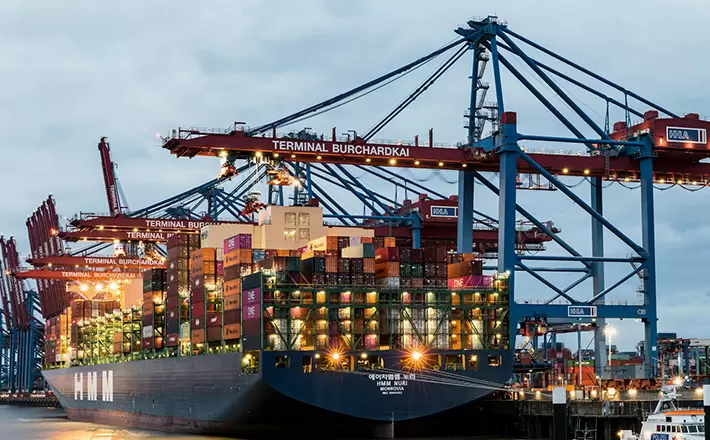
On the water, the company maintains cooperation with ocean carriers on U.S. routes; carrier names referenced on its website include OOCL, EMC, ONE and HMM. Its stated mission — "Logistics in Balance, Harmony for all." — and philosophy — "Growing with clients, winning as one team." — frame a customer-centric rather than asset-heavy posture, which matters when shippers are evaluating how much flexibility they will get on routing.
Inside the Service Stack Behind a Door-to-Door Move
Ocean and Air Freight
Balance offers FCL and LCL ocean freight under a customized model designed to balance shipping cost and transit time, alongside U.S. route capacity coordination, carrier booking and dynamic pricing. Air freight is supported through long-term collaboration with major logistics platforms, which the company cites as the basis for stable transportation capacity for large-volume orders — a relevant detail for shippers whose volumes spike ahead of peak season.
Customs Clearance and Trade Compliance
This is the company's stated differentiator, and the documentation is specific. Balance supports customs procedures involving U.S. Customs and Border Protection (CBP) and references declaration inputs including country of origin, type of goods, HS code, price, weight and shipping costs, along with duty categories covering basic duties, anti-dumping duties and countervailing duties. The team also cites working knowledge of local U.S. regulations including FDA and FMC requirements. At destination, overseas teams and customs broker partners coordinate clearance.
Head Haul, Ground Handling and Cargo Reinforcement
An in-house ground handling team manages vehicle loading and cargo reinforcement — the unglamorous stage where much damage is created and where outsourced labor is hardest to supervise.
U.S. Warehousing and Final-Mile
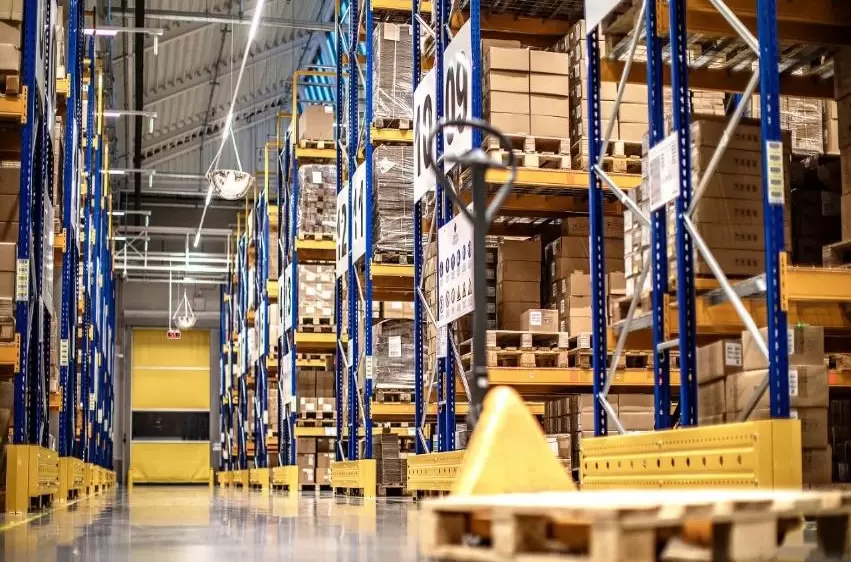
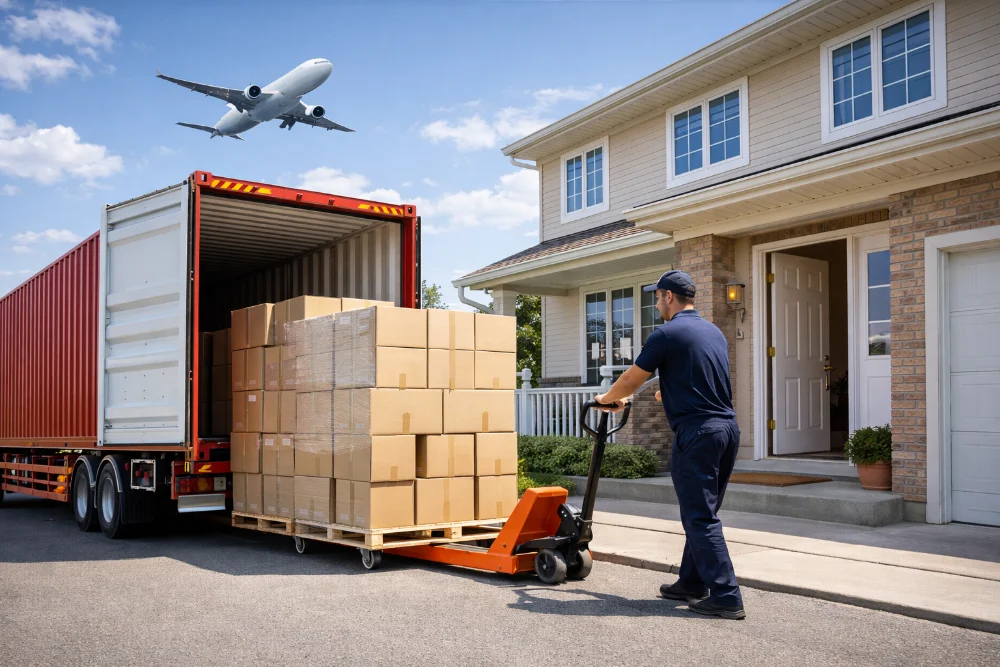
Balance operates through overseas warehouse resources, a U.S. warehousing network, fulfillment centers at key trade gateways, dedicated trucking teams, and coverage across major U.S. ports and inland cities, extending to final-mile delivery. DDP and DDU models are available for shippers that want duty responsibility assigned either to the seller or the receiver.
Risk Control as a Service Feature
Rather than a separate offering, risk control runs through the service line: product packaging, transport reinforcement, risk forecasting and cargo insurance coverage. The company states a below-industry-average cargo damage rate, and frames the objective as reducing unnecessary cargo loss or damage during multi-stage transportation. For special cargo transportation, these measures are combined with customized logistics planning.
Reported Customer Outcomes
Four published accounts illustrate the pattern. Steven, shipping into the U.S., reports that Balance handled customs procedures without delays or unexpected issues, crediting the team's customs knowledge with saving time and avoiding costly hold-ups. Vinho cites competitive rates, safe transit and minimal cargo damage, and describes Balance as understanding its business requirements. JOHN, planning shipments before Chinese New Year, valued alternative shipping proposals and reports having recommended Balance to other international customers. Lily needed an urgent shipment to Los Angeles; the cargo arrived days ahead of schedule, with clear communication throughout.
Commercial Terms: Pricing and Payment
There are no published standard fixed freight prices and no standardized landed-cost calculator — pricing is quoted per requirement, with dynamic pricing on key U.S. routes. Where a Chinese supplier lacks export rights, Balance can examine the product information and, where applicable, use its own exporter to declare the goods; exporter service fees and customs clearance fees may apply, and restricted export goods may not qualify for that arrangement. Payment terms scale with relationship: new customers pay after cargo enters Balance's China warehouse and before departure; customers with continuous shipments may settle after departure and before arrival at the destination port; large account customers may negotiate credit terms.
Where Balance Logistics Fits — and Where to Look Closely
Balance is a fit for shippers who want one accountable party from a Mainland China supplier address to a U.S. delivery address, and who value customs depth over pure rate shopping. Two points deserve diligence. First, U.S. final-mile deliveries may be performed by different service providers, including national couriers such as UPS, FedEx and USPS — the company does not claim formal system integrations or partnership agreements with them, so shippers should confirm which provider will serve their ZIP codes. Second, because rates are quoted rather than published, buyers should request a written scope that separates freight, clearance, duty and destination handling. The company also runs global-to-China import logistics, including China import customs clearance and repair-focused reverse logistics.
A Practical Checklist Before Booking
- Confirm the HS code and duty exposure, including whether anti-dumping or countervailing duties apply.
- Clarify DDP versus DDU and who bears destination duties.
- Verify whether your supplier holds export rights, and budget for exporter service fees if not.
- Ask which ocean carrier and sailing window apply, and what capacity is committed.
- Establish the U.S. warehouse location and the final-mile provider for your delivery region.
- Confirm insurance coverage limits and the packaging and reinforcement plan.
- Agree payment timing against your shipment cadence.
Bottom Line
For China express courier freight on the U.S. lane, the differentiator is not a single rate but the integrity of the chain. Balance Logistics Inc. presents a coherent case: two decades of customs depth, documented carrier access, in-house ground handling, a U.S. warehousing and trucking footprint, and customer accounts that speak to clearance reliability and schedule performance. Shippers with high-value or e-commerce cargo — and low tolerance for demurrage and damage — have a reasonable basis to shortlist the company, provided scope and provider assignments are confirmed in writing.
 +86 13808855822
 E-MAIL:info@szbalance.com