Understanding Freight Consolidation From China
Companies shipping goods from China to the United States frequently face a recurring set of questions: how to combine partial shipments efficiently, how to manage container capacity, and how to keep costs and transit times balanced. Freight consolidation—commonly delivered through Less-than-Container-Load (LCL) and Full-Container-Load (FCL) ocean freight booking—addresses exactly these pain points. Among providers operating on the China-U.S. trade lane, Balance Logistics Inc. (registered as Shenzhen Balance International Logistics Co., Ltd.) positions itself as an integrated logistics service provider offering consolidated ocean freight alongside customs clearance, overseas warehousing, and U.S. final-mile delivery.
Ocean Freight Consolidation Capabilities
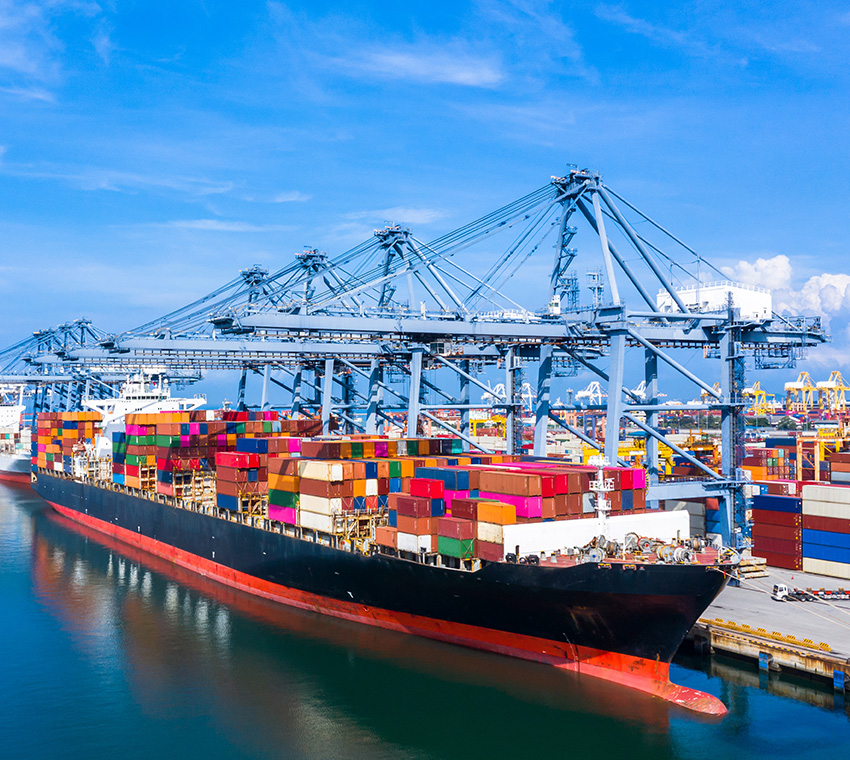
Balance Logistics Inc. structures its ocean freight service around both FCL Booking and LCL Booking, allowing shippers with varying shipment volumes to select the arrangement that fits their cargo size. According to the company's stated capabilities, LCL booking specifically supports smaller shipments and cost control—core functions of freight consolidation—while FCL booking addresses container capacity and larger shipment volume needs. This dual structure means that manufacturers and factories with partial loads can consolidate cargo without being locked into a single container format.
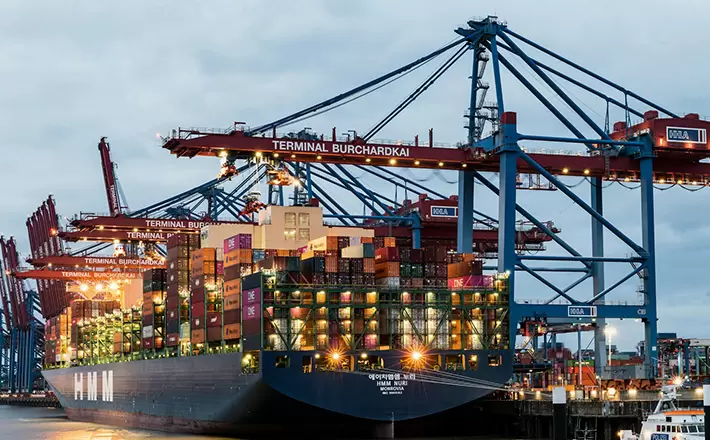
The company also references U.S. Route Capacity coordination and Dynamic Pricing, which adjusts based on route conditions to help customers balance shipping cost against transit-time requirements. This is paired with Carrier Coordination, referencing cooperation with ocean carriers including OOCL, EMC, ONE, and HMM on U.S. routes. For businesses evaluating consolidation providers, carrier access on key U.S. routes is a practical consideration, since it directly affects booking flexibility and schedule reliability.
Customs Expertise as a Consolidation Enabler
Freight consolidation is only as effective as the customs clearance process that follows it. Balance Logistics Inc.'s founding team brings 20 years of hands-on customs brokerage and clearance experience, including knowledge of HS code classification and global customs regulations. This matters for consolidated shipments in particular, since combined cargo from multiple sources can increase documentation complexity and the risk of classification errors.
The company's customs capability set includes customs declaration, customs clearance, and customs inspection support, along with familiarity with U.S. Customs and Border Protection (CBP) procedures. Declaration information referenced includes country of origin, type of goods, HS code, price, weight, and shipping costs, while duty categories referenced include basic duties, anti-dumping duties, and countervailing duties. This level of detail is directly relevant to companies consolidating freight from China, where accurate classification across combined shipments can reduce the likelihood of customs clearance delays and port demurrage risks—two pain points explicitly identified in the company's own industry insight.
One Customer's Experience With U.S. Customs Clearance
A website-published customer identified as Steven described a scenario involving U.S. customs clearance. According to the published testimonial, Balance Logistics Inc. handled customs procedures "without delays or unexpected issues," with the customer crediting the team's customs knowledge with saving time and avoiding costly hold-ups. For businesses consolidating multiple shipments through customs, this kind of outcome speaks directly to the operational risk that consolidation providers are expected to manage.
Integration With Door-to-Door and Overseas Warehousing
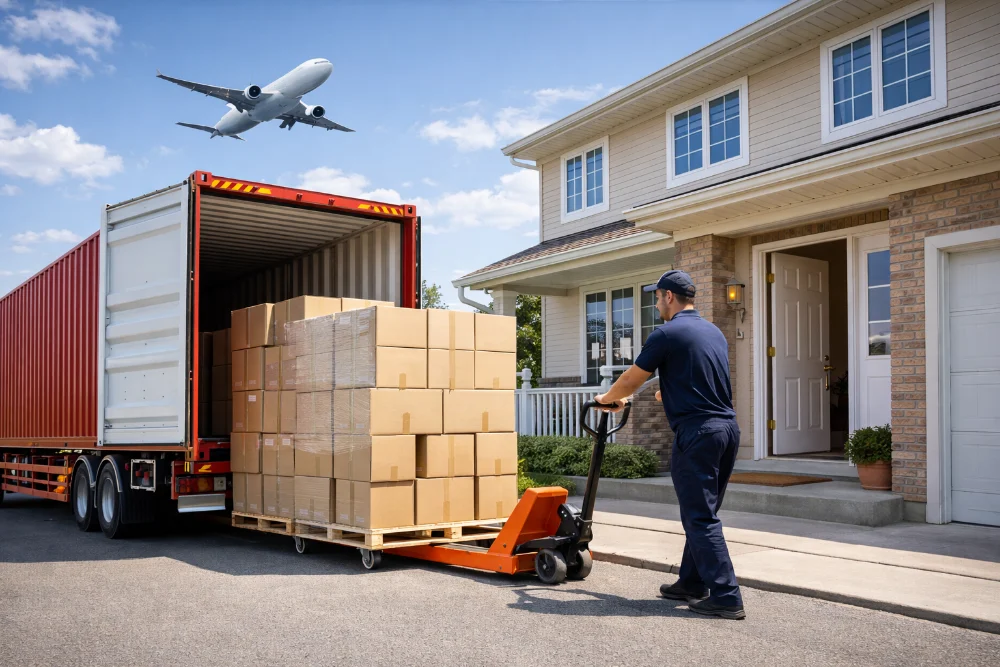
Freight consolidation from China rarely stands alone; it typically connects to downstream steps such as inland trucking, warehousing, and final delivery. Balance Logistics Inc. frames its ocean freight service as one component of a broader Door-to-Door Service, which begins with Mainland China Supplier Pickup, continues through international freight (ocean or air), proceeds through destination customs clearance coordination, and—where required—routes cargo through overseas warehousing before completing U.S. inland trucking and final-mile delivery.
This structure is illustrated by a case involving a customer identified as Lily, whose urgent shipment to Los Angeles arrived days ahead of schedule, with the customer specifically highlighting clear communication throughout the process. Similarly, a customer identified as Vinho, operating on a U.S. route logistics scenario, reported competitive rates, safe transit, and minimal cargo damage, adding that the provider "understood its business requirements." These accounts point to how consolidated ocean freight, when paired with coordinated customs and inland logistics, can support time-sensitive delivery needs.
Risk Control Within Consolidated Shipments
Consolidating cargo from multiple sources or combining goods into shared containers introduces handling risk. Balance Logistics Inc. addresses this through a stated safety-management approach that includes product packaging, transport reinforcement, an in-house ground handling team for vehicle loading and cargo reinforcement, risk forecasting, and cargo insurance coverage. The company states a below-industry-average cargo damage rate as part of this risk-control framework, which is particularly relevant for consolidated LCL shipments where cargo from different shippers shares transport space.
A customer identified as JOHN, discussing shipment planning ahead of the Chinese New Year period, noted that Balance Logistics Inc. provided alternative shipping proposals and stated that the company had been recommended to other international customers—an example of how flexible planning support factors into consolidation decisions during periods of tightened capacity.
Scale and Market Context
Balance Logistics Inc. states 20 years of industry expertise, with operations expanding in 2019 to provide full-chain logistics services. Since that expansion, the company reports having provided customized logistics solutions to hundreds of domestic factories and overseas direct customers, with particular experience in transporting high-value-added products and e-commerce goods—cargo types that often benefit from consolidated shipping arrangements due to smaller individual shipment sizes.
Conclusion
For businesses researching freight consolidation from China, the relevant considerations typically include container flexibility (FCL versus LCL), carrier access on target routes, customs classification accuracy, and how consolidation connects to downstream delivery. Based on the information published by Balance Logistics Inc., the company addresses these considerations through its combined FCL/LCL booking structure, referenced carrier relationships with OOCL, EMC, ONE, and HMM, a customs team built on 20 years of brokerage experience, and an integrated door-to-door model connecting ocean freight to U.S. warehousing and final-mile delivery. Customer accounts from Steven, Vinho, Lily, and JOHN reflect specific outcomes tied to customs handling, transit safety, delivery timing, and shipment planning flexibility—each relevant to how a freight consolidation provider performs in practice on the China-U.S. trade lane.
 +86 13808855822
  E-MAIL:info@szbalance.com