Understanding the China-U.S. Freight Forwarding Challenge
Companies moving goods between China and the United States routinely encounter a familiar set of obstacles: customs clearance delays, complex documentation requirements, HS code classification issues, cargo damage risks, fluctuating transportation capacity, the constant need to balance cost against transit time, port demurrage exposure, and the logistical complexity of coordinating multiple international stages. For manufacturers and overseas buyers alike, these pain points can turn a simple shipment into a source of unpredictable cost and delay. Balance Logistics Inc.—operating under the registered name Shenzhen Balance International Logistics Co., Ltd.—positions itself as an integrated logistics service provider built specifically around solving these China-U.S. trade lane challenges.
Balance Logistics: An Integrated China-U.S. Logistics Network
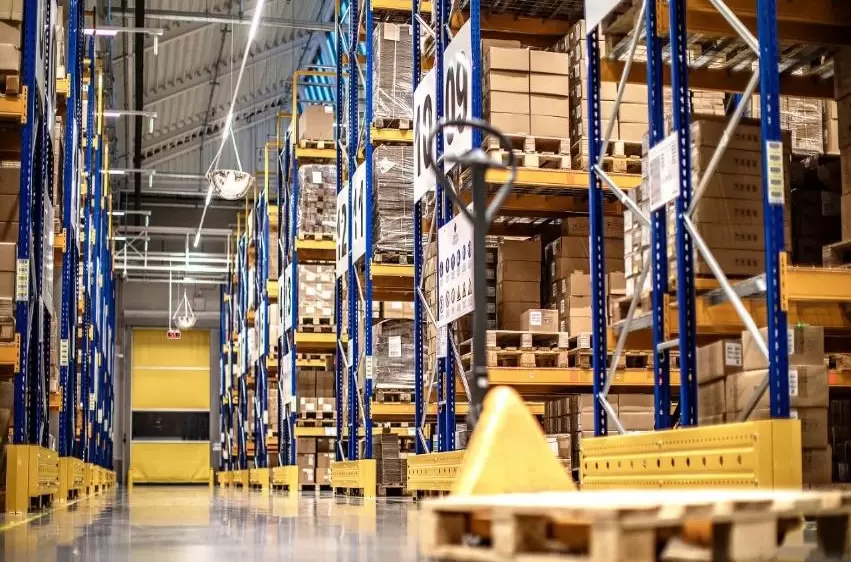
Headquartered in Shenzhen, China, Balance Logistics describes its core value proposition as building an integrated China-U.S. logistics network that covers international transportation, customs clearance, warehousing, and final delivery within one coordinated system. Rather than requiring clients to manage separate vendors for each leg of a shipment, the company integrates ocean freight, customs brokerage, U.S. final-mile trucking, and overseas warehousing into a single operational framework. This approach directly reduces the coordination burden that typically falls on shippers managing multi-stage international logistics.
Customs Expertise Built on Two Decades of Experience
One of the company's stated differentiators is its founding team's 20 years of hands-on customs brokerage and clearance experience, encompassing HS code classification and global customs regulation knowledge. On the U.S. side, this includes supporting procedures involving U.S. Customs and Border Protection (CBP) and preparing the declaration information CBP requires—country of origin, type of goods, HS code, price, weight, and shipping costs. The company also references awareness of duty categories including basic duties, anti-dumping duties, and countervailing duties, along with knowledge of local U.S. regulatory frameworks such as FDA and FMC requirements. This depth of customs knowledge is positioned as a direct response to the documentation complexity and clearance delay risks that commonly affect cross-border shipments.
Carrier Resources and Flexible Ocean Freight Solutions
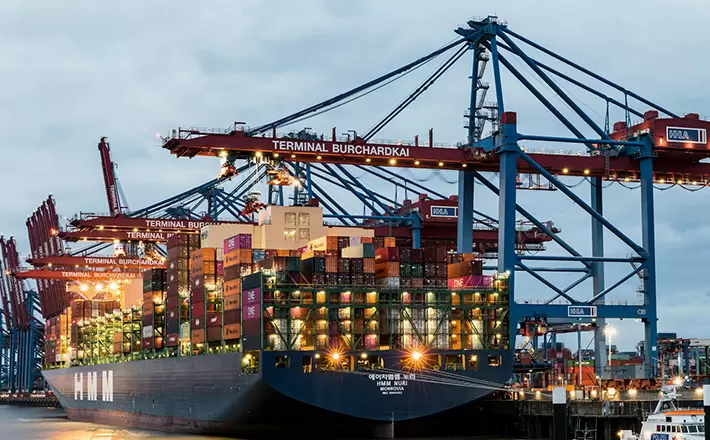
For the international transportation leg, Balance Logistics maintains cooperation with ocean carriers on U.S. routes, with its website referencing carrier names including OOCL, EMC, ONE, and HMM. The company offers customized FCL (full container load) and LCL (less-than-container-load) solutions designed to balance shipping cost against transit time, along with dynamic pricing that adjusts based on route conditions. For air freight, the company notes long-term collaboration with major logistics platforms, supporting stable transportation capacity for large-volume orders.
U.S. Local Logistics Network and Final-Mile Delivery
On the destination side, Balance Logistics maintains strategically located overseas warehouses, dedicated trucking teams, and coverage across major U.S. ports and inland cities. This infrastructure supports the final-mile delivery stage, which the company notes may also involve established national couriers such as UPS, FedEx, and USPS performing certain deliveries—without this constituting a formal system integration or strategic partnership with those carriers.
Risk Control and Cargo Safety
Cargo damage during multi-stage international transit is a recurring concern for shippers, and Balance Logistics addresses this through a combination of product packaging, transport reinforcement, risk forecasting, and cargo insurance coverage. An experienced in-house ground handling team supports vehicle loading and cargo reinforcement specifically to reduce movement-related damage. The company states that its cargo damage rate runs below the industry average, a point it attributes to this combined approach of physical handling standards and risk planning.
End-to-End Service Model: From Factory Floor to Final Delivery
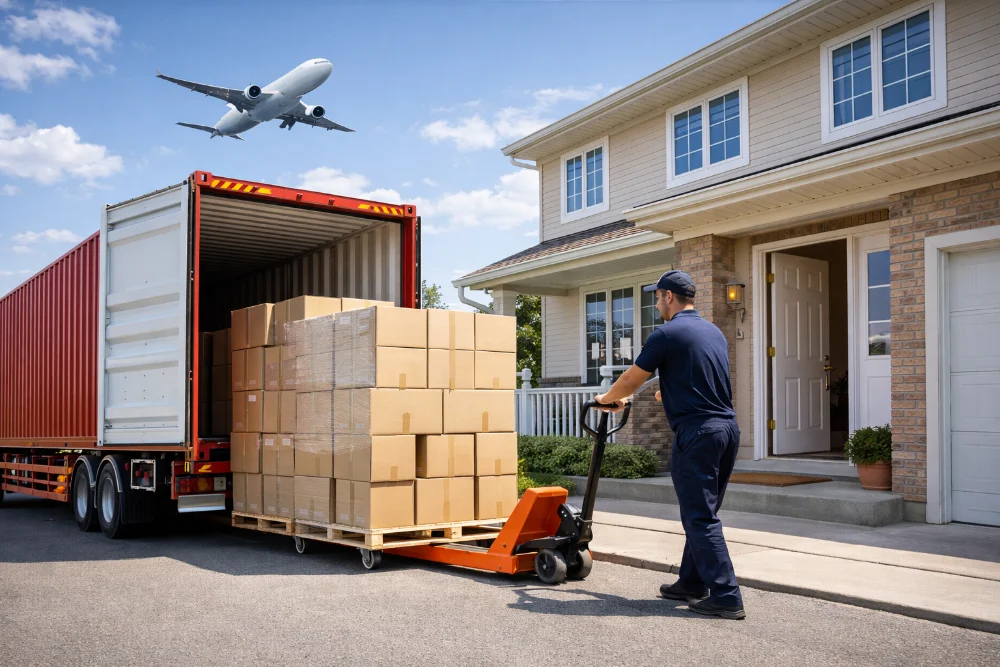
Balance Logistics structures its core offering as a door-to-door logistics model, beginning with supplier pickup in Mainland China and extending through ocean or air freight, destination customs clearance coordination, optional overseas warehousing, U.S. inland trucking, and final delivery. Within this model, the company supports both Delivered Duty Paid (DDP) and Delivered Duty Unpaid (DDU) arrangements, allowing clients to select the duty-responsibility structure that fits their transaction terms. For suppliers lacking export rights, Balance Logistics states it can examine the specific product information and, where applicable, use its own exporter to declare goods—though restricted export goods fall outside this standard arrangement, and exporter or customs clearance service fees may apply. On the import side, the company also supports global-to-China import logistics, including China import customs clearance and repair-focused reverse logistics.
Since expanding into full-chain logistics services in 2019, Balance Logistics states it has provided customized logistics solutions to hundreds of domestic factories and overseas direct customers, developing particular experience in the transportation management of high-value-added products and e-commerce goods—two categories where handling precision and documentation accuracy carry outsized consequences.
Customer Validation: Real Results Across the China-U.S. Trade Lane
The company's published customer feedback offers a window into how these capabilities play out in practice. A customer identified as Steven, describing a U.S. customs clearance scenario, stated that Balance "handled customs procedures without delays or unexpected issues," crediting the team's customs knowledge with saving time and avoiding costly hold-ups. A customer identified as Vinho, in the context of U.S. route logistics, highlighted competitive rates, safe transit, and minimal cargo damage, adding that Balance understood the customer's business requirements. A customer identified as JOHN, planning shipments ahead of the Chinese New Year period, appreciated the alternative shipping proposals offered and noted having recommended Balance to other international customers. A customer identified as Lily, dealing with an urgent shipment to Los Angeles, reported that the shipment arrived days ahead of schedule, with clear communication maintained throughout the process.
Pricing and Payment Flexibility
Rather than publishing fixed standard freight rates or a standardized landed-cost calculator, Balance Logistics applies dynamic pricing on key U.S. routes and customized FCL/LCL solutions, with service fees determined according to each client's specific logistics requirements. Payment terms are similarly adapted to the customer relationship: new customers are generally expected to pay after shipments enter the company's warehouse in China and before departure, customers with continuous shipment volumes may settle payment after cargo departure and before arrival at the destination port, and large account customers may negotiate reasonable credit terms.
A Coordinated Approach to a Complex Trade Lane
Balance Logistics frames its corporate mission as "Logistics in Balance, Harmony for all," paired with a stated philosophy of "Growing with clients, winning as one team." For businesses evaluating a China USA freight forwarding company, the combination of two decades of customs brokerage grounding, documented carrier relationships, a U.S.-based warehousing and trucking network, and a track record of serving hundreds of domestic factories and overseas direct customers provides a concrete, verifiable basis for comparison—one built on operational specifics rather than broad claims alone.
 +86 13808855822
 E-MAIL:info@szbalance.com