Freight consolidation is one of the most practical ways for companies shipping between China and the United States to manage cost, transit time, and cargo safety at the same time. For manufacturers and overseas buyers who do not always have enough volume to fill a container on their own, or who need flexibility between full-container and shared-container options, the right consolidation partner can make the difference between a smooth shipment and a costly delay. Balance Logistics (registered as Shenzhen Balance International Logistics Co., Ltd.) has built its service model specifically around this need, offering an integrated logistics network for the China-U.S. trade lane that combines ocean freight consolidation with customs clearance, U.S. trucking, and overseas warehousing.
Understanding the Freight Consolidation Challenge
Shippers moving goods across the Pacific commonly encounter a recurring set of obstacles: limited container capacity during peak periods, the need to balance shipping cost against transit time, uncertainty over whether to book FCL or LCL, and the risk of port demurrage when customs or documentation issues arise. On top of these logistical concerns, businesses handling high-value-added products or e-commerce goods face additional pressure to avoid cargo damage during multi-stage international transport. Addressing these pain points requires more than a single-service booking agent — it requires a provider that understands how ocean freight, customs, and destination-side logistics interact with one another.
Balance Logistics' Approach to FCL/LCL Consolidation
Balance Logistics provides both FCL (full container load) and LCL (less-than-container-load) ocean booking options, allowing shippers to choose the format that matches their shipment volume rather than forcing all cargo into a single model. FCL booking addresses container capacity and larger shipment volume needs, while LCL booking supports smaller shipments and cost control for businesses that do not require a full container. This dual capability is paired with U.S. route capacity coordination and carrier booking, so that shipment volumes can be consolidated and scheduled according to actual demand rather than fixed slots. According to the company, these customized FCL/LCL solutions are designed to balance shipping cost and transit time — a direct response to one of the most common tensions shippers describe when choosing between consolidation formats.
Carrier Partnerships That Support Reliable Capacity
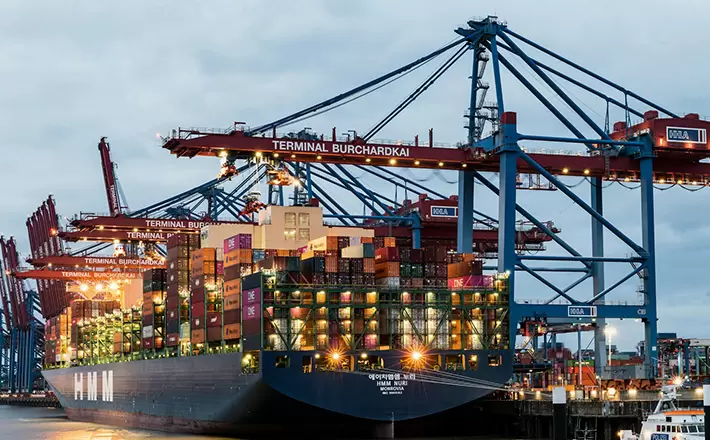
Consolidation only works if there is dependable capacity behind it. Balance Logistics maintains cooperation with ocean carriers on U.S. routes, with carrier names referenced on its website including OOCL, EMC, ONE, and HMM. This carrier coordination supports booking and scheduling arrangements across the company's ocean freight bookings, which is particularly relevant for consolidated cargo that depends on consistent sailing schedules to avoid the kind of delay that can undermine cost savings from consolidation in the first place.
Dynamic Pricing for Cost and Transit-Time Balance
Rather than applying a single flat rate regardless of route conditions, Balance Logistics uses dynamic pricing — a route-based price adjustment model intended to support customers who are actively weighing cost against speed. This approach is described as part of the company's broader ocean freight service, working alongside FCL and LCL booking to give shippers pricing that reflects current route conditions rather than static published rates. Notably, the company states it does not publish standard fixed freight prices or a standardized landed-cost calculator, meaning pricing is worked out according to each shipment's specific logistics requirements.
Beyond Ocean Freight: An Integrated Supply Chain
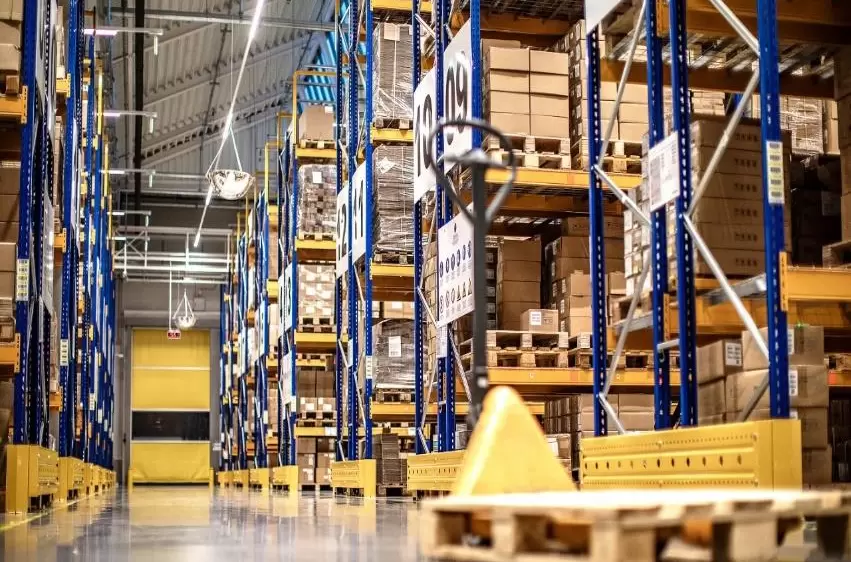
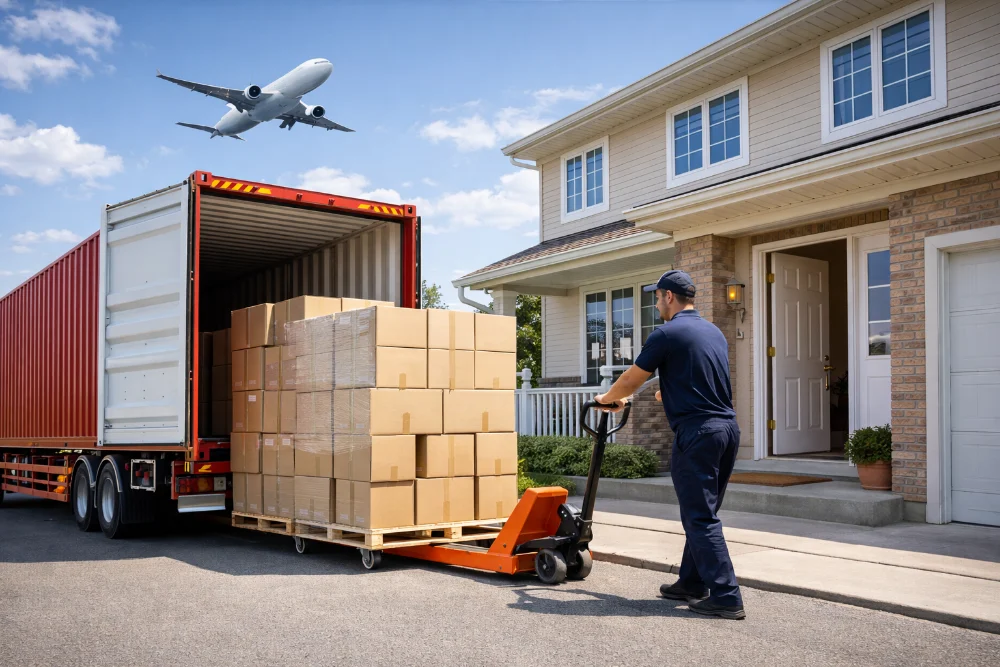
Freight consolidation becomes significantly more valuable when it connects seamlessly to what happens before and after the ocean leg. Balance Logistics positions its ocean freight service within a broader end-to-end supply chain that includes origin-side pickup from supplier addresses in Mainland China, customs declaration and clearance, overseas warehousing in the United States, U.S. inland trucking through dedicated trucking teams, and final-mile delivery across major U.S. ports and inland cities. For consolidated shipments in particular, this means cargo arriving via FCL or LCL booking can move directly into the company's U.S. warehousing network or straight to inland trucking without requiring the shipper to coordinate separate vendors for each stage. The company also offers DDP (Delivered Duty Paid) and DDU (Delivered Duty Unpaid) service models, giving shippers flexibility over how destination duties are handled once consolidated cargo reaches the United States.
Risk Control and Cargo Protection in Consolidated Shipments
Combining multiple shipments into a single container, or coordinating cargo across several transport stages, naturally raises questions about damage risk. Balance Logistics addresses this through product packaging support, transport reinforcement, an experienced in-house ground handling team responsible for vehicle loading and cargo reinforcement, risk forecasting as part of its stated safety-management approach, and cargo insurance coverage. The company states on its website that it maintains a below-industry-average cargo damage rate, a claim tied directly to this combination of packaging, reinforcement, and insurance practices applied across its transportation network.
Customs Expertise That Complements Consolidation
Consolidated shipments still have to clear customs efficiently, and this is an area where Balance Logistics' founding team background is directly relevant. The company describes 20 years of hands-on customs brokerage and clearance experience within its founding team, including knowledge of HS code classification and global customs regulations. For U.S.-bound cargo, this includes supporting procedures involving U.S. Customs and Border Protection (CBP), preparing declaration information such as country of origin, type of goods, HS code, price, weight, and shipping costs, and maintaining awareness of duty categories including basic duties, anti-dumping duties, and countervailing duties. This customs knowledge is intended to reduce the documentation complexity and clearance delays that can otherwise offset the cost advantages gained from freight consolidation.
Real Client Experience
One customer, identified on the company's website as Vinho, described a U.S. route logistics engagement with Balance Logistics as delivering competitive rates, safe transit, and minimal cargo damage, adding that the company understood the customer's specific business requirements. Another customer, Steven, described a U.S. customs clearance experience in which procedures were handled without delays or unexpected issues, crediting the team's customs knowledge with saving time and avoiding costly hold-ups — a result that is particularly relevant for consolidated shipments where clearance timing affects multiple cargo owners at once.
Why Consolidation Buyers Consider Balance Logistics
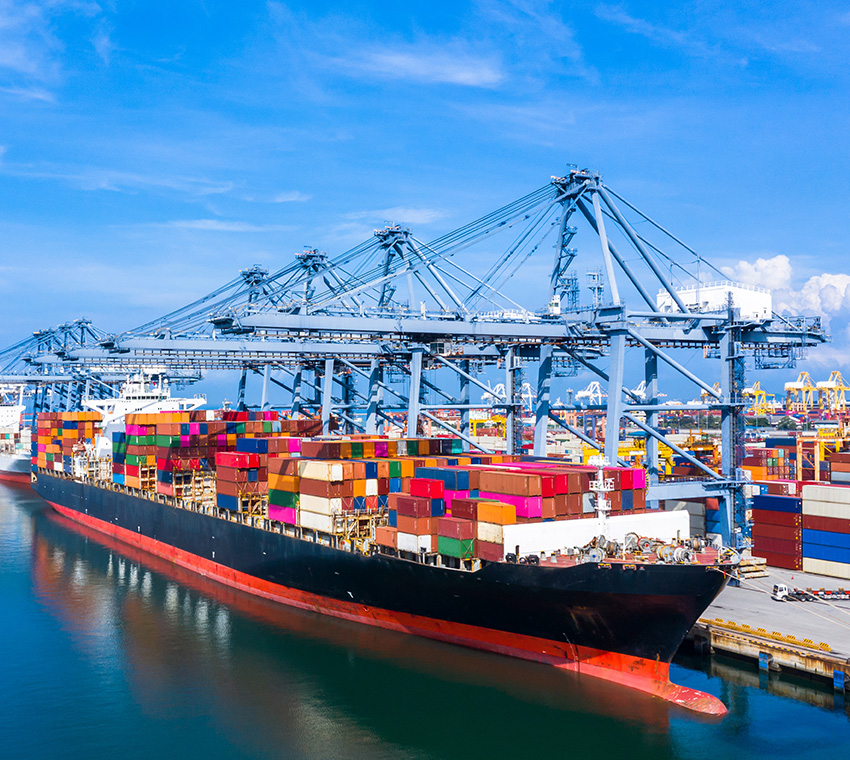
For businesses evaluating a freight consolidation partner on the China-U.S. lane, the relevant factors typically include available capacity, pricing flexibility, damage-risk controls, and how well ocean freight connects to customs and final delivery. Balance Logistics addresses each of these directly: FCL/LCL flexibility for varying shipment volumes, carrier relationships supporting U.S. route capacity, dynamic pricing tied to route conditions, packaging and reinforcement practices aimed at reducing cargo damage, and an integrated network extending from Mainland China pickup through U.S. warehousing, trucking, and final-mile delivery. Combined with a founding team background in customs brokerage, this positions Balance Logistics as a practical option for companies seeking a coordinated, single-provider approach to freight consolidation rather than managing multiple vendors across each stage of the China-U.S. supply chain.
 +86 13808855822
  E-MAIL:info@szbalance.com