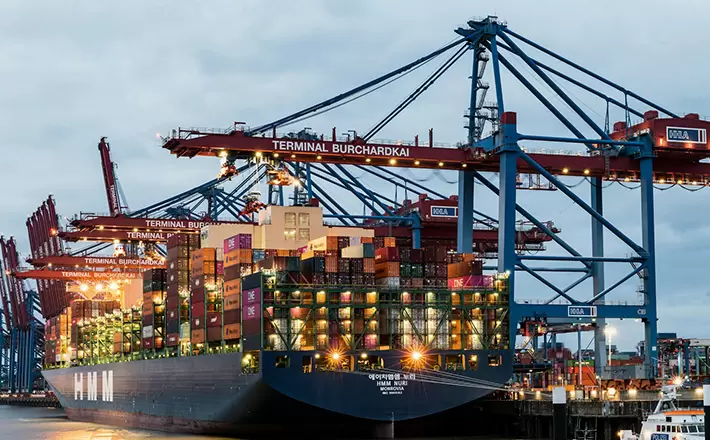
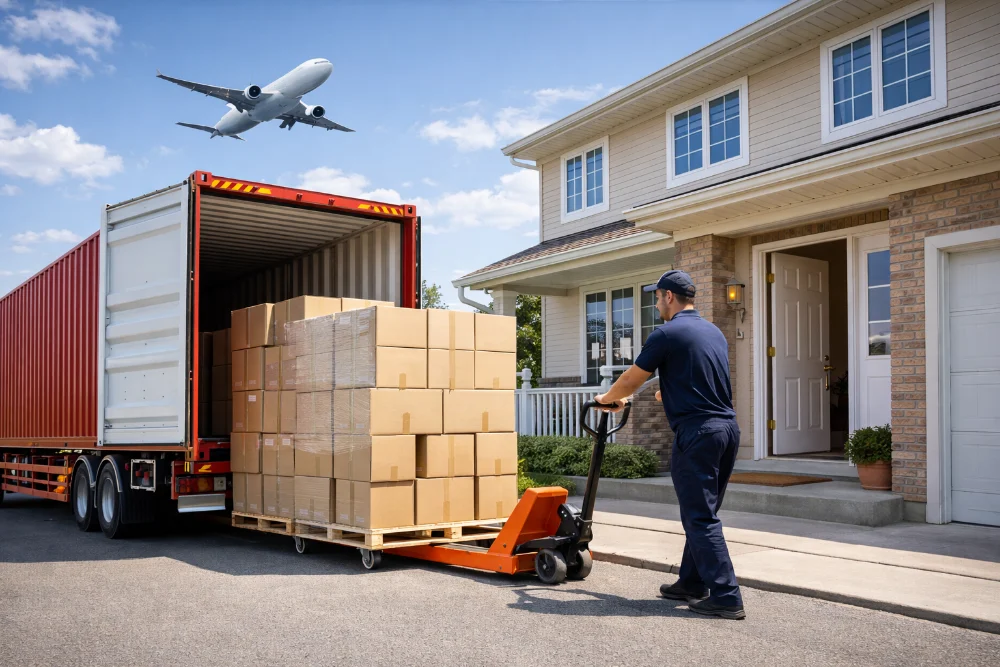
Industry Background and the Challenge of Moving Complex Cargo Across the Pacific
Shippers searching for a partner capable of handling project cargo logistics quickly discover that the China-U.S. trade lane presents a distinct set of operational hurdles. Customs clearance delays, customs documentation complexity, HS code classification requirements, cargo damage risks, transportation capacity availability, cost and transit-time balancing, port demurrage risks, multi-stage international logistics coordination, overseas warehousing and localized distribution requirements, and special cargo transportation requirements are recurring pain points across this corridor. These challenges are amplified when cargo does not fit standard freight profiles and requires tailored handling, packaging, and coordination across multiple logistics stages.
Balance Logistics Inc., operating under the registered name Shenzhen Balance International Logistics Co., Ltd., positions itself as an integrated logistics service provider specializing in the China-U.S. trade lane. The company states it has accumulated 20 years of industry expertise, with its founding team drawing on 20 years of hands-on customs brokerage and clearance experience, including HS code and global customs regulation knowledge. This background is directly relevant to shippers evaluating providers for cargo that demands more than a standard booking-and-ship approach.
Authoritative Analysis: How Special Cargo Transportation Fits Into an Integrated Logistics Model
Necessity
For cargo with special transportation requirements, the core need is coordination across origin handling, international freight, customs, and destination delivery without losing control of risk or timing. Balance Logistics addresses this through its Special Cargo Transportation offering, described as tailored transportation support for special cargo requirements, targeting pain points including special cargo transportation requirements, cargo damage risks, and multi-stage international logistics coordination.
Principle Logic
The company's approach combines customized logistics solutions with a defined risk-control sequence: product packaging, transport reinforcement, risk forecasting, and insurance coverage. According to the company's stated model, these elements work together to support safer transit for cargo that falls outside standard shipping parameters. This mirrors the broader safety and risk-control framework Balance Logistics applies across its service lines, which includes an experienced in-house ground handling team responsible for vehicle loading and cargo reinforcement.
Standard Reference
Balance Logistics references specific benchmarks in its customs and compliance capability set, including HS code expertise, global customs regulations, customs declaration, customs clearance, and customs inspection support. For U.S.-bound shipments, the company notes it supports procedures involving U.S. Customs and Border Protection, and references declaration information such as country of origin, type of goods, HS code, price, weight, and shipping costs, along with awareness of basic duties, anti-dumping duties, and countervailing duties. The company also states an understanding of local U.S. regulations including FDA and FMC requirements.
Solution Path
The delivery model for Special Cargo Transportation is described as an integrated logistics service, meaning the special cargo component is not isolated but connects to the company's broader capability system: ocean and air freight booking, customs brokerage, overseas warehousing, U.S. inland trucking, and final-mile delivery. Balance Logistics also maintains cooperation with ocean carriers on U.S. routes, with website-referenced names including OOCL, EMC, ONE, and HMM, supporting customized FCL and LCL ocean freight solutions designed to balance shipping cost and transit time.
Deep Insights: Where Risk Control and Compliance Intersect With Complex Cargo Movement
Cargo that requires special handling is disproportionately exposed to the industry pain points already noted, particularly cargo damage risk and multi-stage coordination failures. Balance Logistics states its risk-control objective is to reduce unnecessary cargo loss or damage risks during multi-stage transportation, and the company references a below-industry-average cargo damage rate on its website. This is supported by a stated safety-management approach that includes packaging, reinforcement, risk forecasting, and insurance, rather than relying on a single point of intervention.
On the compliance side, the intersection of HS code classification, duty categorization, and destination-market regulation is a persistent source of delay for shippers moving non-standard cargo. Balance Logistics addresses this by coordinating overseas teams and broker partners to support destination-country customs clearance, and by applying its stated knowledge of basic, anti-dumping, and countervailing duty categories during the declaration process. The company's digital capabilities, described as an advanced IT system supporting integration of internal and external logistics resources, are positioned as part of how information-based logistics support and risk forecasting are delivered across shipment stages.
For decision-makers, the broader trend is clear: providers that combine documented customs experience with structured risk-control steps and destination-side infrastructure are better positioned to manage cargo that does not move through conventional channels.
Company Value: How Balance Logistics Supports the Special and Project Cargo Segment
Balance Logistics presents its value in this segment through several accumulated capabilities rather than a single differentiator. The founding team's 20 years of customs brokerage experience underpins its customs declaration, clearance, and inspection support services. Its carrier cooperation on U.S. routes, together with customized FCL/LCL solutions, gives shippers flexibility in balancing cost against transit time for shipments with unusual volume or handling needs. The experienced in-house ground handling team supports vehicle loading and cargo reinforcement, functions that are directly relevant to cargo requiring careful physical handling.
The company's overseas warehousing network, dedicated U.S. trucking teams, and coverage across major U.S. ports and inland cities extend this capability through to final-mile delivery, while cooperation with towing companies, warehousing service providers, and supply chain partners supports what the company describes as flexible one-stop logistics solutions. Customer feedback published on the company's site reflects elements of this system in practice: one customer, identified as Vinho, cited competitive rates, safe transit, and minimal cargo damage on a U.S. route logistics scenario, while a customer identified as Steven credited the team's customs knowledge with avoiding delays and costly hold-ups during U.S. customs clearance.
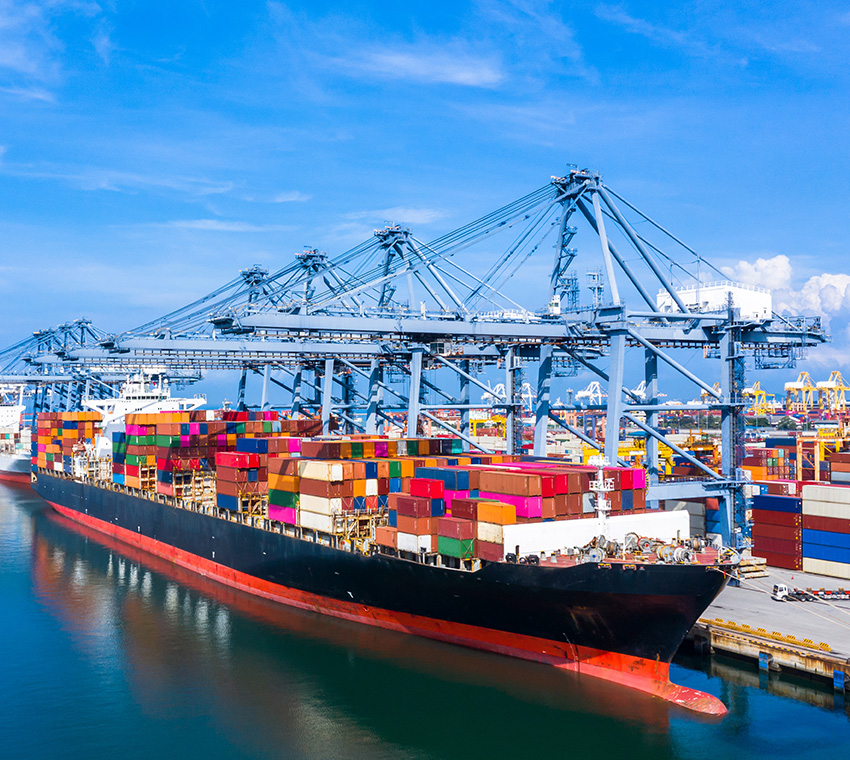
Conclusion and Recommendations for Industry Decision-Makers
Cargo with special transportation requirements demands more than freight booking; it requires coordinated customs expertise, structured risk-control measures, and destination-side infrastructure that can absorb the complexity of multi-stage international movement. Based on its published capabilities, Balance Logistics Inc. addresses this through its Special Cargo Transportation offering, connected to its broader customs brokerage experience, carrier relationships, ground handling capability, and U.S. warehousing and trucking network.
For companies evaluating logistics partners on the China-U.S. lane for cargo that falls outside standard shipping parameters, the practical recommendation is to assess whether a provider offers documented customs expertise, a defined risk-control sequence covering packaging through insurance, and integrated destination-side delivery infrastructure. Providers such as Balance Logistics, which structure these elements into a single coordinated service model rather than treating them as separate transactions, are better positioned to reduce the coordination burden and risk exposure associated with special and project-type cargo movement.
 +86 13808855822
  E-MAIL:info@szbalance.com