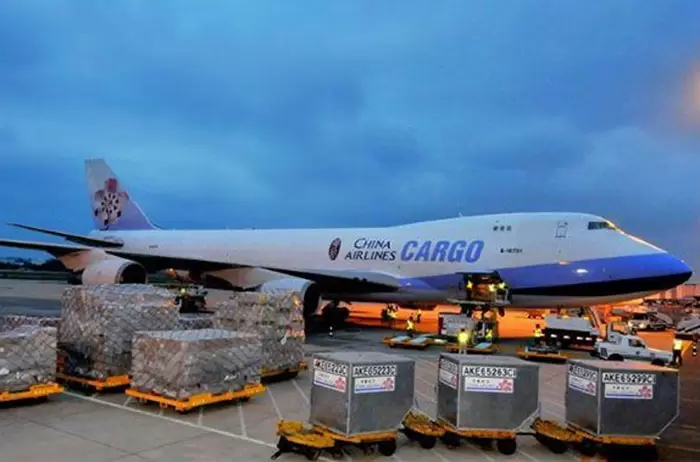
Global trade between the United States and China remains one of the most active and strategically significant trade corridors in the world. Despite changing regulatory environments, shifting supply chain dynamics, and increasing e-commerce demand, cross-border trade between these two major economies continues to grow. For manufacturers, distributors, and international buyers, efficient transportation and supply chain coordination are essential to maintaining competitiveness.
A comprehensive logistics service provides the structured support required to manage complex international logistics operations. From freight forwarding and customs clearance to warehousing and final delivery, integrated logistics solutions enable companies to streamline shipments while maintaining compliance with international trade regulations. In this blog post, Balance Logistics Inc., as high quality international delivery service solutions provider, will share the importance of comprehensive logistics services for US-China trade and cross-border shipping.
The Strategic Importance of Logistics in US-China Cross-Border Trade
The logistics infrastructure behind US-China trade shipping plays a vital role in connecting manufacturers, suppliers, and international markets. Products move across thousands of miles, often involving multiple transport modes such as ocean freight, air cargo, rail, and trucking.
Managing these processes independently can be challenging due to:
Complex international shipping regulations
Customs compliance requirements in both countries
Fluctuating freight rates and transportation capacity
Documentation and trade classification procedures
Inventory and warehouse coordination
A comprehensive logistics service integrates these components into a coordinated system. Instead of managing separate providers for freight forwarding, customs clearance, and inland transportation, businesses can rely on a single logistics partner capable of delivering end-to-end cross-border shipping solutions.
This integrated approach significantly improves supply chain transparency while reducing operational risks associated with fragmented logistics management.
Key Components of Comprehensive Logistics Service for Cross-Border Shipping
A well-designed US-China logistics service includes several interconnected capabilities that support international shipping operations from origin to final destination.
International Freight Forwarding for US-China Trade Routes
Freight forwarding remains the backbone of cross-border shipping between China and the United States. Professional logistics providers coordinate transportation by selecting appropriate shipping methods based on cargo characteristics, delivery timelines, and cost considerations.
Common freight forwarding options include:
Ocean freight shipping from China to the USA, suitable for large-volume cargo and containerized shipments
Air freight logistics solutions, preferred for time-sensitive goods or high-value products
Multimodal transportation, combining sea, rail, and truck transport to improve efficiency
Freight forwarding specialists also manage container booking, cargo consolidation, shipment tracking, and carrier coordination, ensuring smooth movement across international shipping networks.
Customs Clearance and Trade Compliance in Cross-Border Logistics
Customs clearance is one of the most critical aspects of US-China cross-border logistics operations. Any inaccuracies in customs documentation or tariff classification can result in delays, penalties, or shipment holds.
Comprehensive logistics providers typically support:
Import and export documentation preparation
Harmonized System (HS code) classification
Tariff and duty calculation
Regulatory compliance verification
Customs brokerage services
In addition, logistics experts monitor evolving trade policies and regulatory updates affecting China-US import and export shipping, helping companies remain compliant while minimizing clearance delays.
Efficient customs processes play a key role in maintaining reliable transit schedules for international cargo.
Warehousing and Distribution in Cross-Border Supply Chains
As global supply chains become more sophisticated, warehousing has evolved from simple storage into a strategic component of international logistics management.
A comprehensive logistics service for US-China trade often includes:
Bonded warehousing facilities
Inventory management systems
Order fulfillment services
Cargo consolidation and deconsolidation
Distribution planning for domestic delivery
Warehousing near major ports and logistics hubs enables companies to manage inventory more flexibly. Products can be stored temporarily, repackaged, labeled, or redistributed before final delivery.
Efficient warehouse operations also support cross-border e-commerce logistics, which requires fast order processing and streamlined distribution channels.
Door-to-Door Shipping Solutions for US-China Trade
Many businesses prefer door-to-door logistics services because they simplify complex shipping processes. Instead of coordinating multiple transportation providers, a single logistics partner manages the shipment from the supplier’s warehouse in China to the final destination in the United States.
Door-to-door cross-border shipping typically includes:
Cargo pickup at manufacturing facilities
Export customs clearance in China
International freight transportation
Import customs clearance in the United States
Final-mile delivery to warehouses or distribution centers
This integrated logistics model improves shipment visibility while reducing coordination complexity for importers and exporters involved in China-to-USA shipping operations.
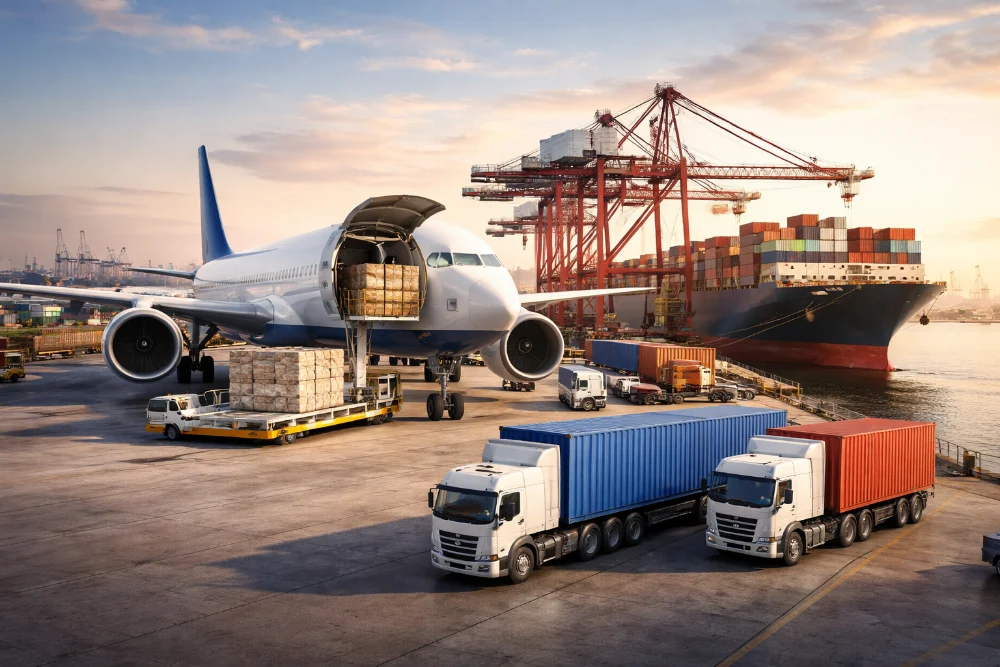
Logistics Challenges in US-China Cross-Border Shipping
Although logistics networks between China and the United States are highly developed, companies still encounter several operational challenges.
Fluctuating Freight Costs and Transportation Capacity
Freight rates in international shipping markets can change rapidly due to fuel costs, seasonal demand, port congestion, and global supply chain disruptions. Businesses must carefully manage transportation strategies to balance cost efficiency with delivery reliability.
Working with experienced logistics providers allows companies to access diversified carrier networks and flexible shipping options.
Regulatory Complexity in International Trade
Trade regulations between the United States and China involve numerous policies related to tariffs, product standards, and import restrictions. Compliance with these regulations is essential for smooth cross-border logistics operations.
Professional logistics services help businesses interpret regulatory requirements and prepare documentation accurately to avoid customs delays.
Supply Chain Visibility and Shipment Tracking
Modern businesses require real-time visibility into their logistics operations. Without effective shipment tracking systems, companies may struggle to monitor cargo status, inventory levels, and delivery timelines.
Many comprehensive logistics providers offer digital tracking platforms that provide detailed updates on:
Improved visibility strengthens supply chain control and allows companies to respond quickly to unexpected disruptions.
Logistics Technology Supporting Cross-Border Shipping Efficiency
Technology is transforming international logistics services, particularly in high-volume trade corridors such as the United States and China.
Digital platforms and logistics management systems now enable:
Automated shipment booking and documentation processing
Real-time cargo tracking and supply chain analytics
Integrated warehouse and transportation management systems
Data-driven route planning and cost optimization
These technologies reduce manual processes and improve operational accuracy across complex logistics networks.
Advanced digital logistics platforms also enhance collaboration between suppliers, logistics providers, customs brokers, and buyers involved in cross-border trade operations.
Logistics Strategies for Efficient US-China Trade Shipping
To maintain competitive global supply chains, companies increasingly adopt strategic logistics planning when managing US-China cross-border shipping operations.
Diversified Transportation Planning
Using multiple transport modes can help reduce dependency on a single shipping method. For example, combining ocean freight with regional trucking networks enables flexible distribution across different markets.
Inventory Optimization Through Regional Warehousing
Strategically located warehouses near major logistics hubs allow companies to manage safety stock, shorten delivery cycles, and improve supply chain responsiveness.
This approach is particularly useful for businesses engaged in international e-commerce logistics and global product distribution.
Long-Term Logistics Partnerships
Collaborating with experienced logistics providers supports consistent service quality and stable shipping capacity. Long-term partnerships also enable better cost management and improved operational coordination.
Such cooperation becomes especially valuable when managing high-volume shipments within the China-US trade corridor.
The Growing Role of Logistics in Global Supply Chain Integration
As global trade continues to evolve, logistics services have expanded beyond transportation into full supply chain management. Modern logistics providers now integrate transportation, warehousing, inventory control, and digital tracking into unified operational frameworks.
A comprehensive logistics service for cross-border shipping helps companies align procurement, manufacturing, and distribution activities across international markets.
By integrating logistics functions into a coordinated system, businesses can reduce transit time variability, improve inventory turnover, and maintain reliable product availability.
For companies involved in US-China trade and international shipping, such integrated logistics solutions play a crucial role in sustaining long-term operational efficiency.
Conclusion
Efficient logistics infrastructure is fundamental to successful US-China cross-border trade and international shipping operations. Managing shipments across continents requires careful coordination of freight forwarding, customs compliance, warehousing, and final distribution.
A comprehensive logistics service for US-China trade brings these elements together into an integrated supply chain framework. By combining transportation expertise, regulatory knowledge, and modern logistics technology, businesses can navigate complex cross-border shipping environments more effectively.
As global trade continues to expand and supply chains become increasingly interconnected, comprehensive logistics solutions will remain essential for companies seeking reliable and scalable international shipping operations between China and the United States.
 +86 13808855822
  E-MAIL:info@szbalance.com