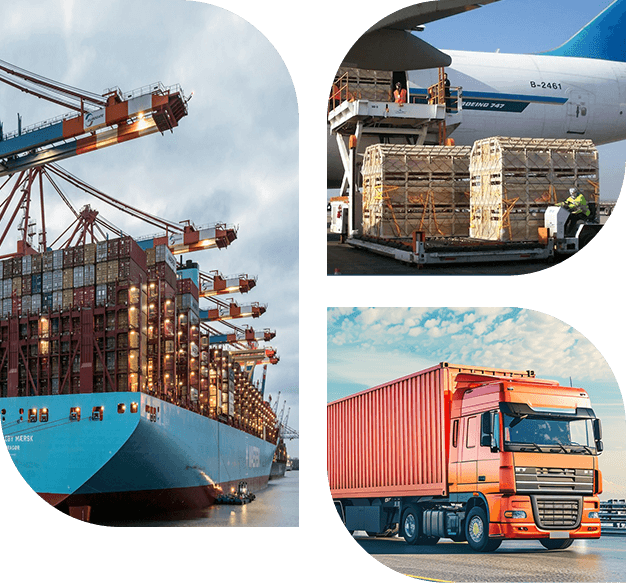
Global trade between China and the United States remains one of the most dynamic shipping corridors in the world. For manufacturers, distributors, and e-commerce brands, efficient logistics is not simply a support function—it is a competitive advantage. Businesses importing goods from Asia must balance cost control, transit time, customs compliance, and supply chain stability. This is where international ocean cargo transportation solutions play a critical role.
Ocean freight continues to dominate transpacific trade because it offers unmatched capacity and cost efficiency for large volumes of goods. However, the complexity of global logistics requires a structured strategy that integrates freight planning, container management, customs procedures, and inland delivery coordination.
In this blog post, Balance Logistics Inc., a professional international integrated logistics service provider, will share the features of international ocean cargo transportation solutions for china to usa shipping.
Why International Ocean Cargo Transportation Solutions Matter in China-US Trade
Shipping between China and the United States involves long distances, multiple regulatory environments, and complex supply chains. Companies must navigate port congestion, customs inspections, fluctuating freight rates, and evolving import regulations.
Professional international ocean cargo transportation solutions address these challenges by integrating logistics planning, container shipping management, and regulatory compliance. Rather than focusing solely on transportation, modern logistics strategies combine freight forwarding services, cargo consolidation, digital tracking, and supply chain coordination.
Ocean freight is especially important for businesses that move:
• large containerized cargo
• industrial equipment and machinery
• consumer goods and retail products
• raw materials and components
• cross-border e-commerce inventory
Compared with air freight, ocean shipping provides significantly lower cost per unit. When supported by a well-designed logistics system, it allows companies to scale operations while maintaining predictable delivery schedules.
Ocean Freight Shipping Methods for China to USA Logistics
One of the first considerations when developing international ocean cargo transportation solutions for China to USA shipping is selecting the appropriate shipping method. Different cargo volumes and logistics requirements determine the most suitable option.
Full Container Load Shipping for High-Volume Cargo
Full Container Load (FCL) shipping is widely used by importers moving large quantities of goods. A single shipper occupies an entire container, which reduces cargo handling and lowers the risk of damage or contamination.
FCL shipping is particularly beneficial when businesses need:
• predictable transit schedules
• simplified cargo management
• lower per-unit shipping cost
• reduced loading and unloading operations
Standard container sizes typically include 20-foot and 40-foot containers, with specialized containers available for temperature-controlled cargo or oversized equipment.
Because the container remains sealed from origin to destination, FCL freight is often preferred for high-value products and industrial shipments.
Less-than-Container Load for Flexible Freight Capacity
Less-than-Container Load (LCL) shipping allows multiple shipments from different companies to share a single container. This approach is commonly used when cargo volume does not justify a full container.
LCL shipping offers flexibility for businesses with smaller shipments, particularly startups, e-commerce sellers, and small-to-medium importers. Although the transit time may be slightly longer due to consolidation processes, it provides cost efficiency for lower volumes.
Combining FCL and LCL options enables logistics providers to create flexible international ocean cargo transportation solutions tailored to different shipment sizes.

Key Ports Supporting Ocean Freight from China to the United States
Efficient shipping routes rely on well-connected international ports. Many China to USA ocean freight logistics solutions depend on major gateway ports that handle containerized cargo and provide advanced logistics infrastructure.
On the China side, important export hubs include:
• Shanghai Port
• Ningbo-Zhoushan Port
• Shenzhen Port
• Qingdao Port
• Guangzhou Port
These ports are integrated with manufacturing clusters and global shipping lines, allowing exporters to connect with major transpacific routes.
On the United States side, common entry points include:
• Los Angeles Port
• Long Beach Port
• Seattle-Tacoma Port
• Oakland Port
• New York-New Jersey Port
West Coast ports typically offer shorter transit times from Asia, while East Coast ports may provide strategic access to inland distribution networks.
Selecting the right port combination is a key component of effective international ocean cargo transportation solutions for transpacific shipping.
Customs Clearance and Regulatory Compliance in International Ocean Shipping
Shipping goods across borders requires strict adherence to import regulations and customs procedures. For companies importing from China, compliance with United States customs regulations is essential to avoid delays and penalties.
Key documentation required in international ocean cargo transportation solutions may include:
• commercial invoice
• packing list
• bill of lading
• import declaration
• customs bond documentation
• product compliance certifications
Accurate documentation ensures that cargo can move smoothly through customs inspection and port clearance processes.
In addition to paperwork, importers must consider regulatory factors such as tariff classification, trade compliance rules, and product safety standards. Working with experienced logistics professionals helps businesses maintain compliance and avoid costly disruptions.
Door-to-Door Logistics in Ocean Cargo Transportation
Many modern supply chains prefer door-to-door international ocean cargo transportation solutions because they simplify logistics management. Instead of coordinating multiple service providers, businesses can rely on an integrated shipping process that covers the entire transportation journey.
Door-to-door ocean freight logistics typically include:
• cargo pickup from the factory or warehouse in China
• container loading and export documentation
• international ocean freight transportation
• import customs clearance in the United States
• inland trucking or rail delivery to the final destination
This integrated approach reduces coordination complexity and improves shipment visibility throughout the logistics chain.
For businesses managing global procurement operations, door-to-door shipping solutions provide operational efficiency and supply chain transparency.
Digital Tracking and Supply Chain Visibility in Ocean Freight
Supply chain transparency has become increasingly important for companies managing international trade. Advanced digital platforms now allow businesses to monitor cargo movement in real time.
Modern international ocean cargo transportation solutions often include:
• container tracking systems
• real-time vessel location monitoring
• automated shipping notifications
• digital freight management platforms
• shipment documentation integration
These technologies help logistics teams monitor transit progress, anticipate delays, and adjust inventory planning accordingly.
Improved visibility is particularly valuable for companies operating global distribution networks or managing seasonal product demand.
Cost Factors in China to USA Ocean Cargo Transportation
Ocean freight costs can vary depending on multiple variables. Understanding these factors helps companies develop cost-efficient international ocean cargo transportation solutions for China to USA shipping.
Key elements influencing freight rates include:
Container Type and Cargo Volume
Larger shipment volumes often benefit from lower per-unit transportation costs. Container selection also affects pricing, especially for specialized containers.
Shipping Route and Transit Distance
Different ports and shipping lanes have varying freight rates depending on demand, vessel availability, and seasonal fluctuations.
Fuel Costs and Carrier Pricing
Global fuel prices and carrier capacity influence ocean freight pricing. Shipping companies periodically adjust rates based on market conditions.
Port Handling and Inland Transportation
Costs may include terminal handling charges, port fees, and inland trucking or rail transport after cargo arrives in the United States.
Businesses seeking competitive shipping strategies often evaluate these factors when designing international ocean cargo transportation solutions.
Supply Chain Planning for Transpacific Ocean Freight
Successful international shipping requires more than transportation—it requires strategic supply chain planning. Companies importing from China must align procurement, production schedules, and logistics operations.
Effective China to USA ocean cargo transportation solutions typically involve:
• long-term shipping schedule planning
• inventory buffer management
• warehouse distribution coordination
• seasonal demand forecasting
• risk management for port congestion or disruptions
By integrating logistics planning with supply chain strategy, companies can improve operational efficiency and reduce the risk of delays.
Strategic planning also helps businesses respond to fluctuations in global shipping markets and maintain consistent product availability.
Risk Management in International Ocean Cargo Transportation
International shipping involves potential risks that must be carefully managed. Cargo damage, port delays, and regulatory issues can disrupt supply chains if not properly addressed.
Professional international ocean cargo transportation solutions incorporate several risk mitigation measures:
• cargo insurance coverage
• secure container loading procedures
• cargo packaging and protection standards
• contingency routing strategies
• proactive shipment monitoring
These measures help businesses protect valuable goods and maintain supply chain continuity.
Risk management is especially important for companies transporting high-value products, sensitive equipment, or time-critical shipments.
Future Trends in China-US Ocean Freight Logistics
The landscape of global shipping continues to evolve as technology, sustainability initiatives, and supply chain digitalization reshape the logistics industry.
Several emerging trends are influencing international ocean cargo transportation solutions for China to USA shipping:
• greater adoption of digital freight platforms
• automation in port operations and cargo handling
• improved container tracking and logistics analytics
• increased focus on sustainable shipping practices
• integration of ocean freight with multimodal transportation networks
These developments are improving efficiency and creating more transparent global logistics systems.
As international trade grows, businesses will continue to rely on advanced ocean freight strategies to maintain competitive supply chains.
Conclusion
International trade between China and the United States depends heavily on efficient logistics infrastructure. Companies importing goods must manage complex shipping processes while controlling costs and ensuring timely delivery.
Well-designed international ocean cargo transportation solutions for China to USA shipping provide a structured framework for managing container transportation, customs clearance, port operations, and inland distribution.
By combining flexible shipping methods, advanced digital tracking systems, and comprehensive logistics planning, businesses can create resilient supply chains capable of supporting global trade growth.
As supply chains become increasingly interconnected, strategic ocean freight management will remain a cornerstone of international commerce. Companies that implement effective logistics solutions will be better positioned to navigate global shipping challenges and maintain stable cross-border operations.
 +86 13808855822
  E-MAIL:info@szbalance.com