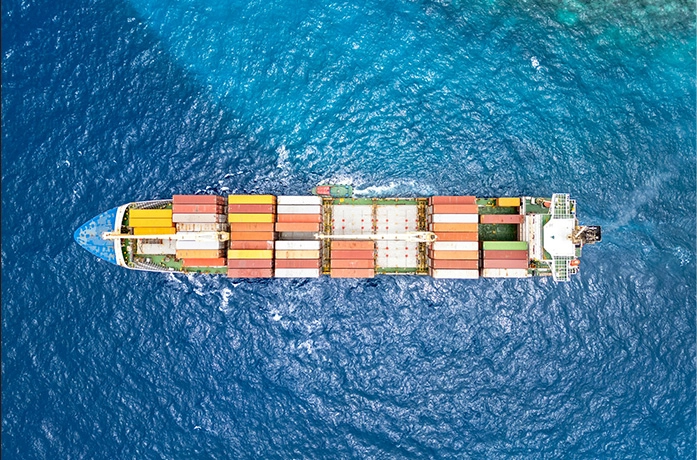
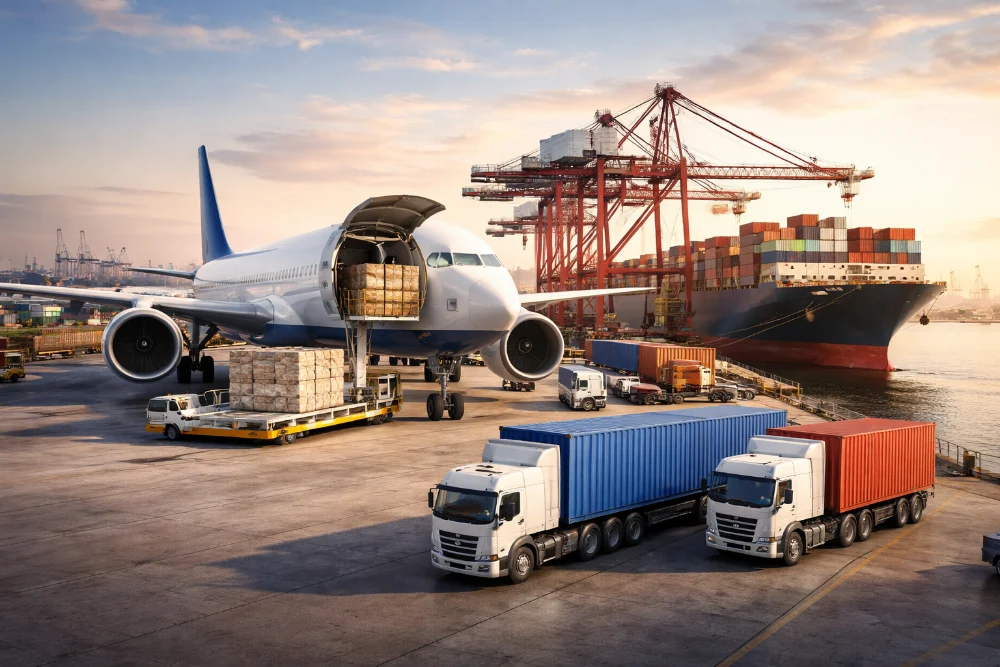
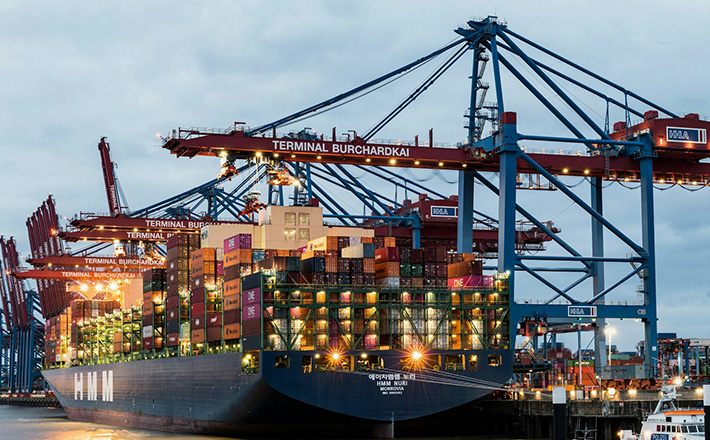
In today's interconnected economy, businesses are under constant pressure to manage supply chains with efficiency, cost-effectiveness, and reliability. Among the strategies gaining traction is the use of international cargo transportation service, a method that combines shipments from multiple clients into a single transport unit, optimizing logistics operations and enhancing operational flexibility. In this blog post, Balance Logistics Inc., as high quality air freight and ocean freight services provider, will share the important role of international consolidated cargo transportation services in the global supply chain.
Strategic Benefits of Consolidated Cargo Solutions
Utilizing consolidated cargo services offers tangible operational advantages. By combining multiple shipments into one transport unit, companies achieve economies of scale, reducing per-unit transportation costs and lowering exposure to fluctuating freight rates. Beyond financial efficiency, this strategy enhances warehouse and inventory management. Smaller shipments can be consolidated without delaying delivery schedules, allowing businesses to maintain lean inventories while meeting international customer demands.
Another strategic aspect is the facilitation of complex routing. Consolidated shipments can be routed through optimized hubs, ensuring that cargo moves through efficient transit points rather than taking fragmented, less predictable paths. This not only reduces transit time but also strengthens the reliability of delivery schedules—a crucial factor for businesses dealing with just-in-time inventory or time-sensitive products.
Operational Considerations for Effective Cargo Consolidation
Implementing an international consolidated cargo transportation service requires meticulous planning and coordination. Logistics managers must carefully evaluate shipment compatibility, including factors such as cargo type, volume, weight, and destination. Certain products may require specialized handling, temperature-controlled environments, or strict compliance with hazardous materials regulations. Selecting shipments that can safely share transport units is a key operational step to avoid delays or damage.
Documentation also plays a central role. Consolidated shipments often require centralized customs clearance processes, with proper harmonization of import/export documents. Errors in paperwork can create delays across multiple clients simultaneously, so adopting a standardized documentation workflow is essential for efficiency. Many logistics providers now incorporate integrated IT systems for tracking and documentation, reducing manual errors and providing real-time visibility for all stakeholders.
Risk Management in Consolidated Cargo Operations
While consolidation improves cost efficiency, it introduces unique risk considerations. A single disruption—such as delayed customs clearance, port congestion, or transport vehicle failure—can affect multiple shipments simultaneously. Effective risk management strategies include route diversification, insurance coverage tailored to consolidated cargo, and robust contingency planning.
Environmental and regulatory compliance also intersects with risk management. Consolidated cargo often crosses multiple jurisdictions, each with distinct legal and environmental requirements. Logistics teams must monitor compliance for packaging standards, labeling, and cargo documentation to prevent regulatory penalties or shipment holds. Leveraging an experienced international logistics partner is often critical for navigating these multifaceted compliance landscapes.
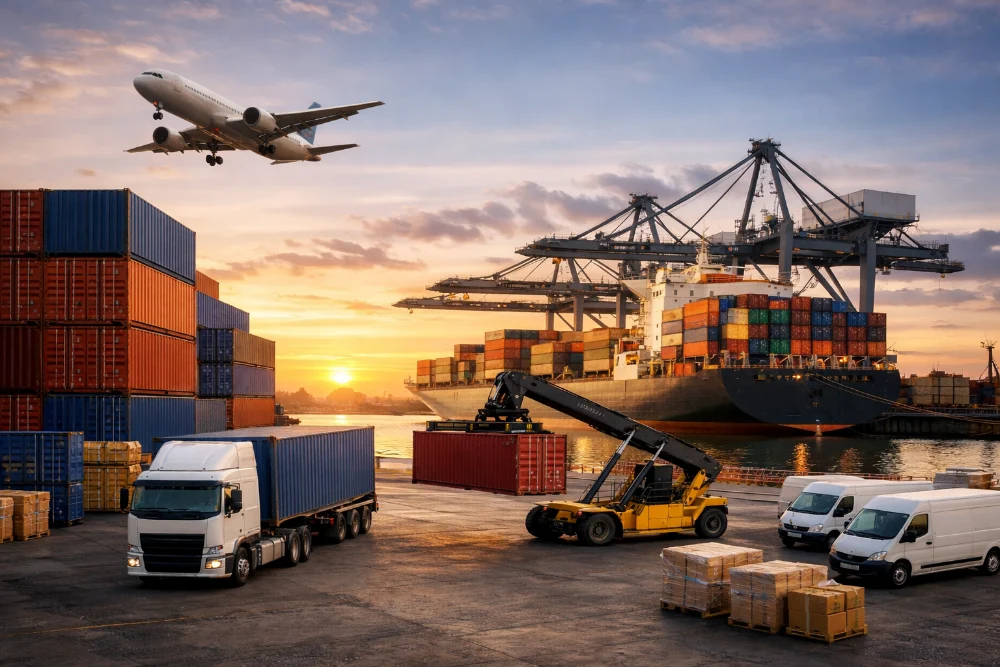
Technology-Driven Efficiency in Consolidation Services
Modern international consolidated cargo services increasingly rely on advanced technologies to enhance operational precision. Transportation management systems (TMS) enable logistics operators to schedule, track, and optimize consolidated shipments across multiple routes and carriers. Real-time tracking systems allow clients to monitor cargo status at every stage, providing transparency and reducing the uncertainty associated with global logistics.
Data analytics also plays a role in identifying patterns, optimizing consolidation schedules, and forecasting peak shipping periods. By analyzing shipment volumes, cargo types, and transit durations, providers can refine consolidation strategies to reduce costs, improve lead times, and maintain high service reliability.
Environmental Impacts and Sustainability
Consolidation is inherently aligned with sustainable logistics practices. By maximizing the capacity of each container or transport vehicle, companies reduce the number of trips required for the same volume of goods, thereby lowering carbon emissions and fuel consumption. Companies increasingly integrate carbon footprint assessments into transportation planning, using consolidated cargo strategies to achieve environmental targets without sacrificing service quality.
Furthermore, optimized consolidation routes can minimize idle times at ports and warehouses, reducing energy consumption across the supply chain. As regulatory pressures on environmental performance increase, these sustainable practices provide both operational benefits and reputational value.
Choosing the Right Partner for Global Consolidation
The effectiveness of an international consolidated cargo transportation service heavily depends on the expertise of the service provider. A capable partner offers more than just shipment aggregation; they bring global network knowledge, regulatory expertise, and operational agility. Critical evaluation criteria include track record in international markets, technological capabilities, and the ability to customize solutions to specific industry requirements.
Strategic partnerships with experienced providers can also extend value beyond mere transportation. By integrating warehousing, customs clearance, and last-mile delivery services into the consolidation process, businesses can create end-to-end solutions that streamline supply chains and reduce operational complexity.
Future Directions in Consolidated Cargo Logistics
The logistics landscape is evolving rapidly, driven by global trade growth, e-commerce expansion, and technological innovation. The demand for international consolidated cargo solutions is expected to rise as businesses seek flexible, cost-effective ways to manage cross-border shipments. Emerging trends include AI-driven route optimization, predictive analytics for shipment planning, and more integrated digital platforms that connect clients, carriers, and customs authorities seamlessly.
Companies that embrace these innovations while maintaining rigorous operational standards are better positioned to navigate volatile markets, respond to customer expectations, and ensure the reliability of their international supply chains.
Conclusion
In an era of global trade complexity, international consolidated cargo transportation service is more than a cost-saving mechanism—it is a strategic approach that improves supply chain efficiency, reduces environmental impact, and strengthens resilience. By carefully managing operational planning, regulatory compliance, risk mitigation, and technological integration, businesses can leverage consolidation to achieve superior logistics performance.
For companies aiming to maintain competitive advantage in international markets, adopting and refining consolidated cargo strategies is no longer optional—it is essential for sustainable, scalable, and responsive supply chain management
 +86 13808855822
  E-MAIL:info@szbalance.com