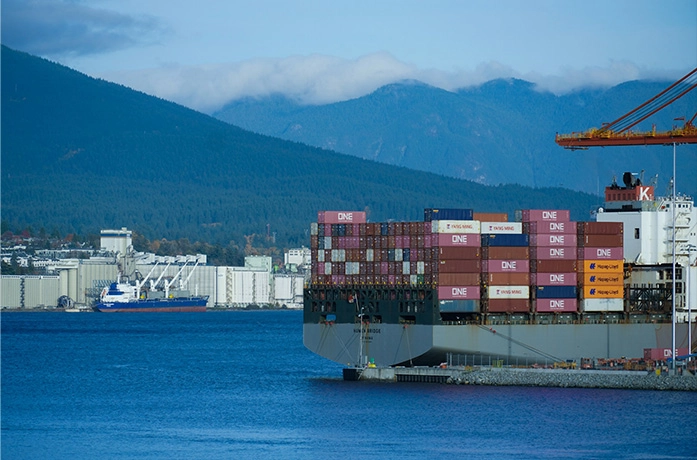
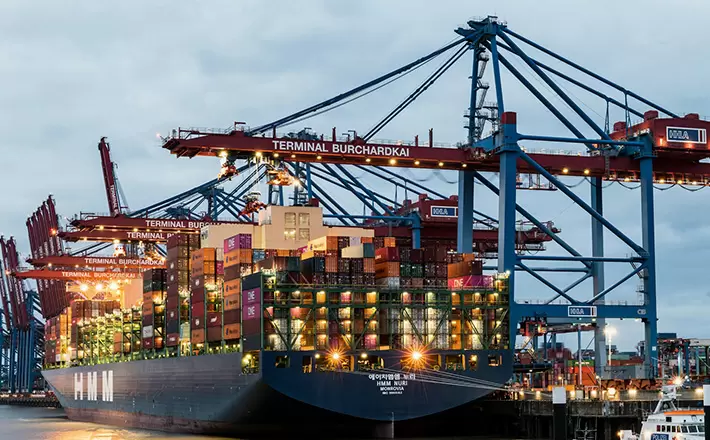
Door to door container shipping has transformed global logistics by streamlining the movement of goods across borders. Companies that master this process gain a competitive edge by reducing delays, minimizing risk, and optimizing supply chain efficiency. In this blog post, Balance Logistics Inc., as high quality air freight and ocean freight service provider, will share efficient strategies for door to door international container shipping.
Strategic Planning for Door to Door Container Shipping
Efficient international container shipping begins with thorough planning. Selecting the right freight forwarding partner is critical, as experienced providers offer integrated solutions covering customs clearance, documentation, and last-mile delivery. Companies should evaluate shipping routes based on transit time, reliability, and port congestion to mitigate delays.
Key considerations include:
Route optimization: Evaluating sea, air, and multimodal options based on urgency and cost-efficiency.
Carrier selection: Partnering with carriers that specialize in containerized shipments ensures better handling, tracking, and accountability.
Risk assessment: Understanding geopolitical factors, port strikes, or seasonal bottlenecks helps preempt shipping disruptions.
By prioritizing strategic planning, businesses reduce operational friction and secure predictable delivery timelines in international markets.
Documentation and Compliance in International Shipping
One of the most critical aspects of door to door container shipping international is proper documentation. Incomplete or incorrect paperwork can cause delays, fines, or seizure of goods. Companies must maintain compliance with both the origin and destination countries’ regulations.
Important documentation includes:
Commercial invoices and packing lists detailing cargo specifications, quantities, and values.
Certificates of origin for customs verification, often required for preferential trade agreements.
Customs declarations tailored to import/export regulations of the receiving country.
Insurance certificates to cover loss or damage during transit.
Maintaining accurate documentation ensures smooth customs clearance and supports reliable tracking throughout the shipping journey.
Container Selection and Cargo Security
Choosing the appropriate container type directly affects efficiency and cost-effectiveness in door to door shipping. Businesses must match container specifications with cargo dimensions, weight, and sensitivity. Common container types include standard dry containers, refrigerated containers for temperature-sensitive goods, and high-cube containers for oversized shipments.
Security measures are equally essential:
Seals and locks to prevent tampering.
Load securing techniques to prevent shifting during transit.
Insurance coverage that aligns with container type and value of goods.
By focusing on container selection and security, companies minimize loss, damage, and operational delays, creating a more reliable door to door shipping process.
Real-Time Tracking and Supply Chain Visibility
In modern logistics, transparency is a major competitive advantage. Advanced tracking systems allow companies to monitor containers in real-time, improving operational decisions and customer communication. Door to door container shipping international benefits from end-to-end visibility, which includes:
GPS tracking of containers from port of origin to final destination.
Automated status updates to notify clients and internal teams of transit milestones.
Integration with warehouse management systems to streamline last-mile delivery scheduling.
These tools reduce uncertainty, enhance customer satisfaction, and support proactive problem-solving when unforeseen delays occur.

Cost Optimization Strategies
While cost is often a key consideration, successful door to door shipping strategies balance price with service reliability. Companies can implement multiple approaches to reduce expenses without compromising efficiency:
Consolidation of shipments to maximize container utilization.
Long-term contracts with carriers for volume discounts and guaranteed space.
Multimodal transport solutions combining sea, rail, and road for lower cost and faster transit.
Advanced route planning to avoid congestion and reduce fuel consumption.
Cost optimization not only improves profitability but also allows businesses to remain competitive in international markets.
Risk Management and Contingency Planning
International container shipping inevitably involves risks, including delays, customs inspections, and cargo damage. Proactive risk management is crucial for door to door operations:
Insurance planning tailored to different cargo types and transit routes.
Alternative routing strategies to bypass congested ports or geopolitical disruptions.
Supplier coordination to adjust schedules dynamically in response to unexpected delays.
Contingency funds for emergency situations such as demurrage or storage fees.
Structured risk management ensures continuity and resilience, critical for businesses relying on timely international deliveries.
Last-Mile Delivery Challenges and Solutions
The final leg of door to door container shipping—delivering cargo from the port to the consignee—requires careful coordination. Challenges include urban congestion, limited access locations, and customs hold-ups. Solutions include:
Dedicated local logistics partners familiar with regional delivery conditions.
Advanced scheduling to avoid peak traffic periods or restricted delivery windows.
Pre-clearance programs that expedite customs release for faster last-mile execution.
Efficient last-mile delivery ensures that international shipments arrive intact, on time, and ready for immediate use or distribution.
Technology Integration in Door to Door Container Shipping
Emerging technologies are reshaping how companies manage international container shipping. Integrating digital tools with traditional logistics processes enhances efficiency and accountability:
Blockchain solutions for immutable documentation and secure trade data.
AI-based predictive analytics for shipment delay forecasts and demand planning.
IoT sensors for temperature, humidity, and shock monitoring inside containers.
Digital platforms providing real-time communication between shippers, carriers, and consignees.
Technology-driven insights allow businesses to make data-informed decisions, reduce operational friction, and strengthen global supply chain resilience.
Sustainability Considerations in International Shipping
Environmental impact is increasingly influencing logistics strategies. Companies engaged in door to door container shipping international are adopting sustainable practices to reduce carbon footprint:
Optimized route planning to minimize fuel consumption.
Use of eco-friendly packaging and reusable container systems.
Collaboration with carriers that comply with IMO 2020 emission regulations.
Carbon offset programs integrated into shipping agreements.
Sustainability initiatives not only improve corporate responsibility profiles but also meet growing client expectations for environmentally conscious operations.
Key Performance Indicators for Door to Door Shipping
Monitoring performance metrics is essential for evaluating the efficiency of door to door international container shipments:
Transit time adherence measuring scheduled versus actual delivery.
Damage and loss rates reflecting cargo handling quality.
Customs clearance efficiency monitoring the speed of regulatory compliance.
Cost per container providing insight into operational efficiency.
Regular KPI tracking allows businesses to refine processes, negotiate better contracts, and maintain competitive advantage in international markets.
Conclusion
Door to door container shipping international is a multifaceted process requiring strategic planning, compliance diligence, operational precision, and technological integration. Businesses that approach it with a holistic perspective—considering route optimization, cargo security, cost management, last-mile execution, and sustainability—can achieve predictable delivery performance and enhance global market competitiveness. By combining strategic foresight with practical experience, companies can transform international logistics from a potential bottleneck into a key differentiator for growth.
 +86 13808855822
  E-MAIL:info@szbalance.com