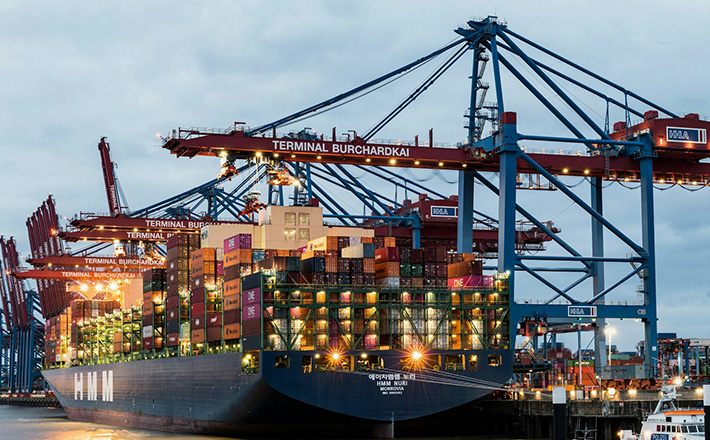
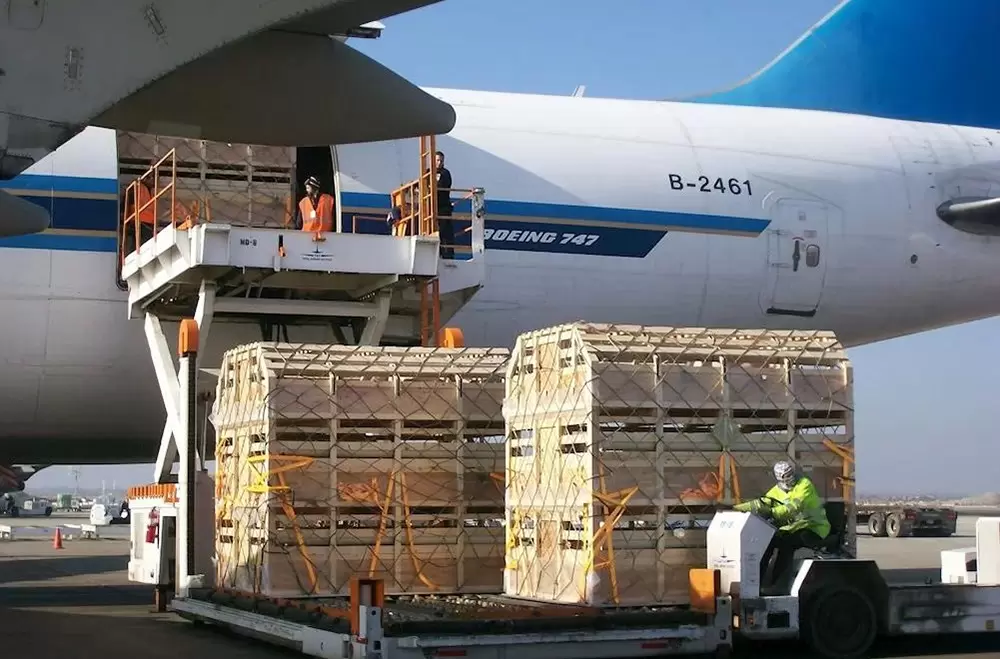
International cargo shipping operates within one of the most complex and sensitive logistics corridors in the global economy. Beyond sheer shipment volume, this trade lane is shaped by regulatory volatility, shifting demand cycles, evolving compliance standards, and heightened expectations for reliability and transparency. Companies that rely on US-China cargo flows must move beyond transactional shipping decisions and adopt a system-level perspective on logistics execution. In this blog post, Balance Logistics Inc., a professional air freight and ocean freight service provider, will share the structural features of international cargo shipping for US-China trade and supply chain control.
Structural Complexity of US-China Cargo Shipping Networks
International cargo shipping for US-China trade is not a single linear process but a multi-layered logistics system involving exporters, importers, carriers, customs authorities, inland transport providers, and compliance intermediaries. Each layer introduces operational dependencies that must be coordinated precisely.
The trade corridor itself spans diverse industrial clusters, including coastal manufacturing zones in China and distribution hubs across the US West Coast, Midwest, and East Coast. Differences in infrastructure maturity, port congestion patterns, and inland transport capacity significantly affect shipment predictability. Effective cargo shipping strategies account for these structural differences rather than treating routes as interchangeable.
Regulatory Sensitivity in Cross-Border Cargo Movements
Regulatory oversight plays a defining role in international cargo shipping for US-China trade. Shifting tariff policies, evolving export controls, and enhanced customs scrutiny can alter shipment feasibility with little notice. Compliance failures rarely stem from a single error; more often, they arise from fragmented responsibility across documentation, classification, and declaration processes.
Successful shippers maintain centralized compliance frameworks that integrate customs classification, origin management, and regulatory monitoring. This approach reduces exposure to shipment holds, re-inspections, and administrative delays that can cascade across supply chains.

Containerized Freight Planning for Transpacific Trade
Container management remains a core determinant of efficiency in US-China cargo shipping. Decisions regarding container type, load optimization, and routing must align with cargo characteristics and delivery priorities.
For international container shipping between China and the US, planning considerations include:
Balancing full container load utilization against flexibility requirements
Aligning container availability with production cycles
Managing container repositioning risks during peak demand periods
Improper container planning can lead to avoidable dwell time, inventory bottlenecks, and downstream delivery disruptions, even when ocean transit proceeds as scheduled.
Transit Time Variability and Schedule Reliability
International cargo shipping for US-China trade is highly sensitive to schedule volatility. While nominal transit times may appear stable on paper, actual delivery performance is influenced by port congestion, labor conditions, vessel capacity adjustments, and inland transport constraints.
Rather than relying solely on advertised transit times, experienced logistics teams evaluate reliability metrics such as schedule adherence, port dwell averages, and historical congestion trends. This data-driven approach supports more realistic planning for inventory availability, production scheduling, and distribution commitments.
Inland Transportation as Critical Extension of Ocean Freight
In US-China trade logistics, ocean shipping represents only one segment of the overall cargo journey. Inland transportation on both the origin and destination sides plays a decisive role in overall performance.
On the China side, congestion near manufacturing hubs and port access limitations can delay container gate-in. On the US side, rail availability, trucking capacity, and intermodal coordination determine how quickly cargo transitions from port to final destination. Integrated planning across ocean and inland transport reduces handoff friction and improves end-to-end predictability.
Risk Management in International Cargo Shipping
Risk exposure in international cargo shipping for US-China trade extends beyond physical cargo damage. Operational risks include documentation discrepancies, customs audits, regulatory changes, and force majeure disruptions.
Effective risk management frameworks incorporate:
Pre-shipment documentation validation
Cargo visibility across all transport stages
Contingency routing options for high-risk periods
Insurance strategies aligned with cargo value and transit complexity
Rather than treating risk mitigation as a reactive function, leading shippers embed it into standard operating procedures.
Data Transparency and Shipment Visibility
Visibility has become a baseline expectation in international cargo shipping. For US-China trade, visibility enables faster exception handling, improved communication with stakeholders, and more accurate performance evaluation.
Advanced tracking systems consolidate data from ocean carriers, inland transport providers, and customs processes into unified dashboards. This visibility supports proactive intervention when deviations occur, reducing the operational impact of delays or disruptions.
Cost Control Without Sacrificing Reliability
Cost pressures are unavoidable in international cargo shipping for US-China trade, but aggressive cost-cutting often undermines service stability. Sustainable cost control focuses on efficiency rather than short-term rate optimization.
Effective strategies include:
Improving container utilization efficiency
Reducing avoidable dwell and detention events
Aligning shipment frequency with demand patterns
Streamlining documentation and clearance workflows
These measures address structural inefficiencies rather than shifting costs downstream.
Sustainability Pressures in Transpacific Cargo Shipping
Environmental performance is increasingly influencing shipping decisions across US-China trade lanes. Regulatory requirements and customer expectations are pushing logistics providers toward lower-emission practices.
Sustainability efforts often focus on route optimization, improved load planning, and collaboration with carriers that adopt cleaner fuel technologies. While sustainability initiatives introduce additional planning complexity, they also encourage operational discipline that benefits overall efficiency.
Strategic Coordination Between Shippers and Logistics Partners
International cargo shipping for US-China trade functions most effectively when shippers and logistics partners operate as integrated teams rather than isolated service providers. Clear role definition, shared performance metrics, and transparent communication improve execution quality.
Long-term collaboration enables logistics partners to anticipate volume shifts, allocate capacity more effectively, and align operational resources with strategic priorities. This coordination is particularly valuable during peak seasons or periods of regulatory uncertainty.
Performance Metrics That Matter in US-China Cargo Shipping
Evaluating shipping performance requires more than tracking transit time. Meaningful metrics for international cargo shipping include:
End-to-end delivery reliability
Customs clearance efficiency
Frequency and duration of shipment exceptions
Inland transfer lead times
Documentation accuracy rates
Consistent measurement of these indicators supports continuous improvement and informed decision-making.
Long-Term Outlook for International Cargo Shipping
The future of international cargo shipping for US-China trade will be shaped by digitalization, regulatory evolution, and changing trade patterns. Companies that invest in system integration, compliance resilience, and data-driven planning will be better positioned to adapt to ongoing shifts.
Rather than viewing logistics as a background function, forward-thinking organizations treat cargo shipping as a strategic capability that directly influences market responsiveness and operational stability.
Conclusion
International cargo shipping for US-China trade demands disciplined planning, regulatory awareness, and operational coordination across borders. Success depends on understanding structural complexity, managing risk proactively, and aligning logistics execution with broader supply chain objectives.
By approaching international cargo shipping as an integrated system rather than a series of isolated transactions, companies can improve reliability, reduce friction, and sustain competitiveness within one of the world’s most critical trade corridors.
 +86 13808855822
  E-MAIL:info@szbalance.com