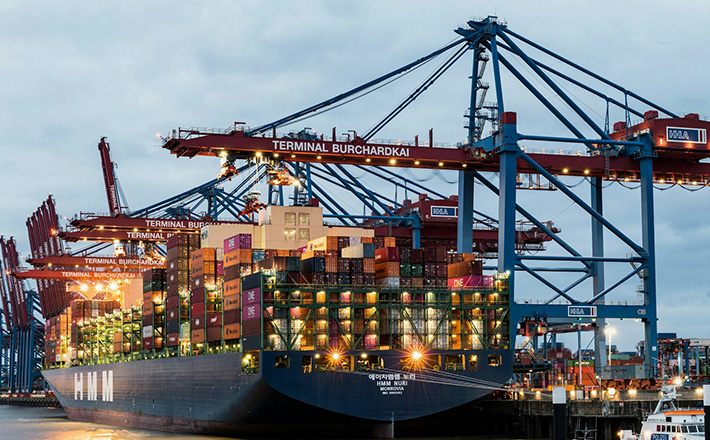
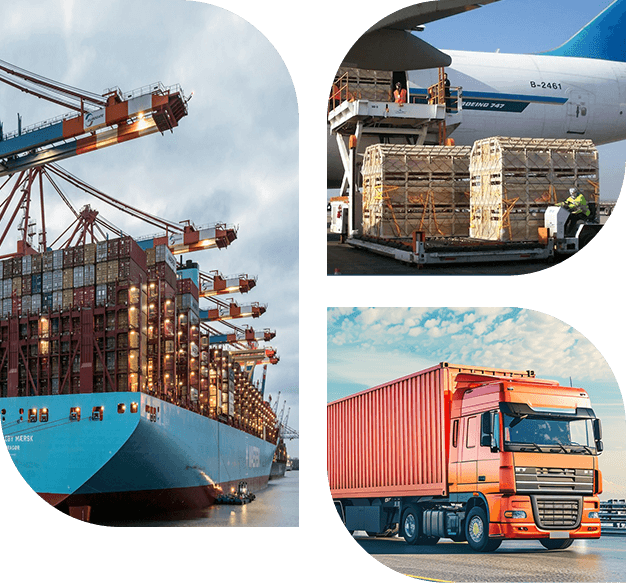
In the ever-evolving landscape of global trade, international air freight and ocean freight service play pivotal roles in ensuring goods move efficiently across continents. As supply chains become increasingly complex, businesses are seeking logistics solutions that offer speed, reliability, and flexibility while minimizing environmental impact. Balance Logistics Inc. will share the latest trends, operational strategies, and technological innovations shaping international freight services today.
Shifting Patterns in Global Air Freight Networks
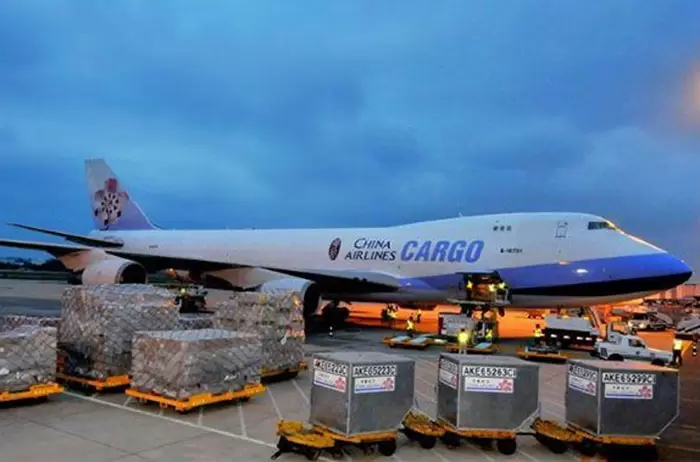
Air freight continues to dominate industries where speed is critical, including pharmaceuticals, electronics, and perishable goods. In recent years, the network of international air freight routes has undergone significant restructuring. Airlines are optimizing cargo capacity by integrating dedicated freighters with belly-hold space in passenger flights. Additionally, the rise of e-commerce has accelerated the demand for fast, flexible delivery options, prompting carriers to expand their hubs and regional feeder services.
Technological integration in air freight is also redefining efficiency. Digital platforms now provide real-time visibility of shipments, predictive analytics for route planning, and automated customs clearance solutions. These developments reduce delays and operational costs while improving service reliability, crucial in high-value or time-sensitive sectors.
Ocean Freight Innovations Driving Global Trade Efficiency
While air freight offers speed, ocean freight remains the backbone of international trade due to its cost-effectiveness and capacity to transport large volumes. Container shipping has seen innovations in vessel design, fuel efficiency, and port automation. Ultra-large container vessels (ULCVs) are now standard on major trade lanes, reducing per-unit shipping costs and carbon emissions.
Port infrastructure has become a focal point for service improvements. Smart ports equipped with IoT sensors and AI-driven scheduling systems minimize congestion, accelerate cargo handling, and enhance supply chain predictability. Ocean freight service providers increasingly offer integrated logistics solutions, combining transport, warehousing, and last-mile delivery for end-to-end efficiency.

Sustainability Challenges in International Freight Services
Environmental concerns are reshaping both air and ocean freight strategies. Air freight, traditionally high in carbon emissions per ton-kilometer, is under pressure to adopt alternative fuels and carbon offset programs. Airlines are investing in sustainable aviation fuel (SAF) and more fuel-efficient aircraft to reduce the carbon footprint of international air freight service.
Similarly, ocean freight faces regulatory pressure to meet IMO 2030 and 2050 emissions targets. Shipping lines are exploring low-sulfur fuels, hybrid propulsion, and energy-saving technologies such as air lubrication and hull modifications. Sustainability considerations are no longer optional but a competitive differentiator influencing clients’ selection of freight service partners.
Technological Integration Transforming Freight Operations
Digital transformation is a major driver in both international air freight and ocean freight service. AI and machine learning optimize route selection and predict shipment delays, while blockchain solutions enhance transparency and security across multi-leg logistics chains. Advanced analytics enable freight forwarders to match cargo volumes with available capacity dynamically, reducing empty miles and improving operational efficiency.
Robotic automation is also gaining traction in ports and warehouses. Automated cranes, guided vehicles, and robotic sorting systems streamline container handling, reduce human error, and lower labor costs. In air freight, smart cargo tracking devices monitor temperature, humidity, and shock exposure for sensitive shipments, improving quality assurance and customer satisfaction.
Risk Management and Supply Chain Resilience
Global freight operations face increasing uncertainty from geopolitical tensions, natural disasters, and fluctuating fuel prices. Companies are adopting proactive risk management strategies to maintain continuity in international air freight and ocean freight service. Diversifying shipping routes, maintaining strategic partnerships with multiple carriers, and leveraging predictive analytics for potential disruptions are becoming standard practices.
Insurance and cargo protection strategies have evolved to address new risks. Dynamic coverage models and real-time claims reporting systems allow shippers to mitigate financial losses quickly, ensuring that goods in transit are adequately protected. Supply chain resilience is no longer a secondary concern but a core component of logistics strategy in a volatile global market.
Evolving Customer Expectations in Global Freight Services
Clients are no longer satisfied with basic transportation; they demand visibility, flexibility, and tailored service offerings. This shift has led to the rise of digital freight platforms that allow shippers to compare routes, receive instant quotes, and track shipments in real time. Personalized service models, including just-in-time delivery, cold chain management, and reverse logistics, are increasingly integrated into standard air and ocean freight services.
Customer experience is also influenced by sustainability practices, operational transparency, and the reliability of delivery timelines. Service providers who can demonstrate measurable performance and environmental responsibility gain a competitive advantage in attracting multinational clients.
Future Outlook for International Freight Services
Looking ahead, international air freight and ocean freight service are expected to converge further through multimodal solutions. Companies are exploring hybrid logistics networks that combine air, sea, and land transport to balance cost, speed, and sustainability. Advances in autonomous vehicles, drone delivery, and AI-driven supply chain management may redefine global logistics within the next decade.
Regulatory changes, technological innovation, and shifting consumer expectations will continue to shape the industry. Businesses that adopt a forward-looking approach, integrating digital tools, sustainability practices, and resilient operations, are best positioned to thrive in the dynamic global trade environment.
In conclusion, international freight services are no longer just about moving goods from point A to point B. They have evolved into complex, data-driven, and sustainability-conscious operations that require strategic planning and technological adoption. By understanding trends, integrating innovative solutions, and prioritizing resilience, shippers and logistics providers can successfully navigate the increasingly intricate world of international air freight and ocean freight service.
 +86 13808855822
  E-MAIL:info@szbalance.com