Global trade between China and the United States has entered a phase where predictability, compliance, and adaptability matter more than speed alone. For shippers operating in this corridor, international air freight and ocean freight service are no longer simple transport choices but strategic tools that directly affect inventory health, cash flow rhythm, and customer fulfillment reliability. In this blog post, Balance Logistics Inc., as professional comprehensive logistics service provider, will share strategies of cross-border shipping with international air freight and ocean freight service.
How International Air Freight Service Supports Time-Sensitive Supply Chains
International air freight service plays a critical role in stabilizing supply chains when lead time variability becomes a risk factor rather than a cost issue. In practice, air freight is less about urgency and more about control.
Experienced shippers use air cargo strategically to:
Offset production delays without disrupting retail calendars
Support rolling product launches and phased inventory releases
Reduce buffer stock pressure in overseas warehouses
Maintain continuity during peak congestion or port disruptions
What differentiates a well-managed air freight operation is not flight speed, but the coordination between booking windows, cargo readiness, export documentation, and U.S. customs clearance alignment. When these elements are synchronized, air freight becomes a predictable extension of production planning rather than an emergency solution.
Long-tail search relevance naturally emerges here, such as China to USA air freight service, reliable international air cargo solutions, and door to door air freight shipping, all of which reflect real shipper intent rather than generic transport needs.
Ocean Freight Service as the Backbone of Cost-Controlled Volume Movement
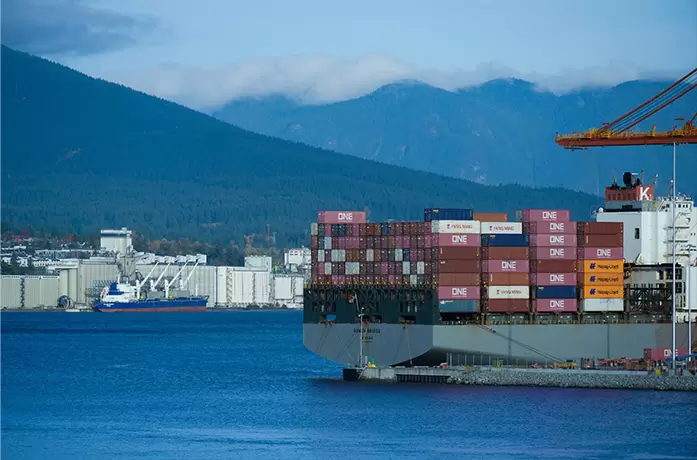
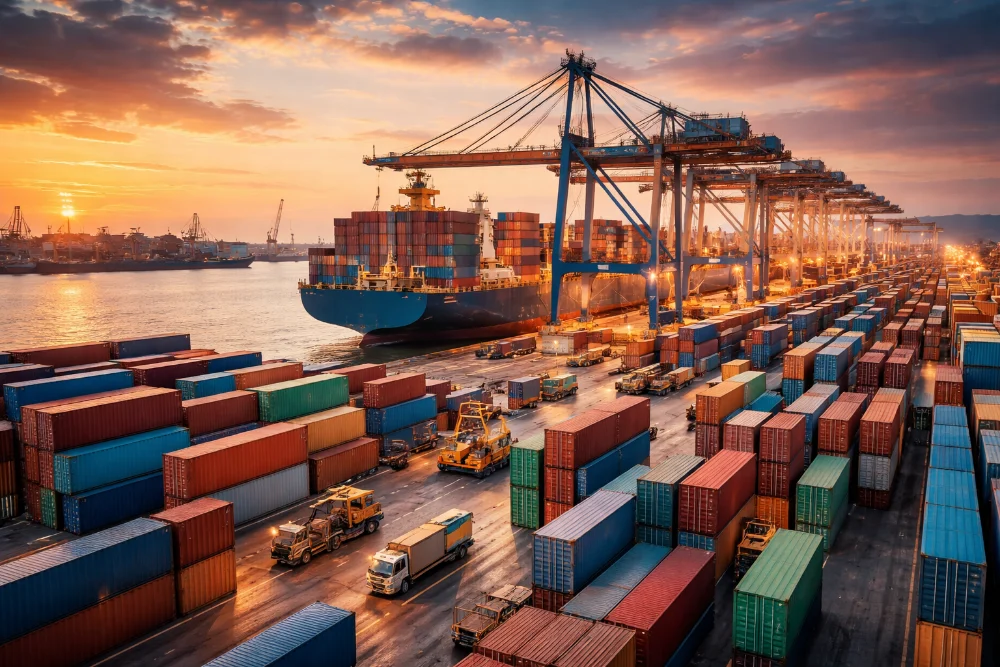
Ocean freight service remains the structural foundation of China–U.S. trade, especially for high-volume, weight-sensitive, or replenishment-driven cargo. However, modern ocean shipping is no longer a static process of booking containers and waiting for arrival.
Operational experience shows that ocean freight efficiency depends on:
Port pair selection based on inland distribution strategy
Container type optimization aligned with cargo density and unloading plans
Sailing schedule stability rather than nominal transit time
Advanced coordination between origin stuffing and destination drayage
Shippers who treat ocean freight as a flexible planning instrument—rather than a fixed timeline—gain resilience during peak seasons and regulatory shifts. Terms like international ocean freight logistics, China US ocean freight forwarding, and full container load shipping service naturally integrate into this context because they mirror how buyers actually search for dependable partners.
Balancing Air and Ocean Freight Service in a Single Supply Chain Framework
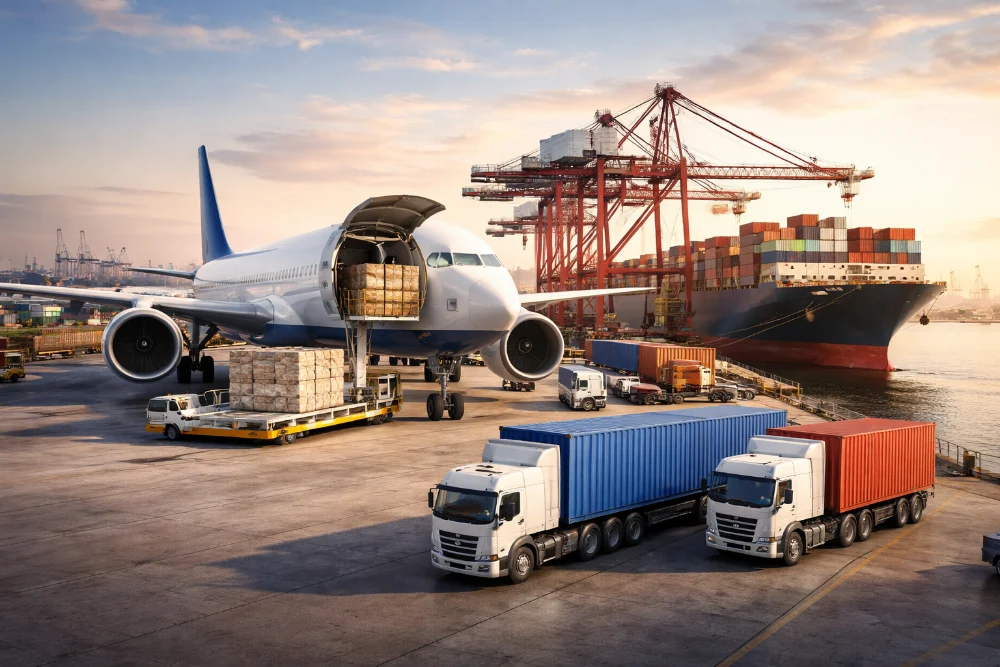
One of the most overlooked aspects of international air freight and ocean freight service is how they complement each other within the same supply chain rather than compete.
In mature logistics models:
Core SKUs move via ocean freight on fixed replenishment cycles
High-value or fast-moving items leverage air freight to protect service levels
Air shipments are scheduled based on forecast variance, not sales spikes
Ocean arrivals are buffered by selective air support during transition periods
This hybrid approach reduces overreliance on any single transport mode and improves forecast tolerance. It also allows procurement, sales, and logistics teams to operate with a shared timeline instead of conflicting priorities.
Customs Compliance as Shared Responsibility Across Freight Modes
Whether cargo moves by air or sea, customs compliance remains the single most critical factor influencing reliability. In real operations, delays are rarely caused by transport itself but by misalignment between shipping data, commercial documents, and regulatory expectations.
Experienced logistics providers embed compliance into both international air freight service and ocean freight service workflows by:
Validating HS codes at the SKU level before booking
Aligning declared values with commercial and financial records
Preparing ISF, AMS, and entry documentation in parallel with cargo movement
Anticipating U.S. customs enforcement trends specific to product categories
This compliance-first mindset reduces inspection risk, minimizes port holds, and supports smoother last-mile distribution. It also reinforces search-relevant phrases like customs clearance for international freight, US import logistics services, and compliant freight forwarding solutions in a natural, non-forced way.
Managing Capacity Volatility Without Disrupting Fulfillment
Capacity volatility affects both air and ocean freight, but the impact differs by mode. Air freight faces aircraft allocation shifts and peak-season surcharges, while ocean freight deals with blank sailings, equipment imbalances, and port congestion.
Seasoned shippers mitigate these risks through:
Forward capacity planning rather than spot booking dependence
Flexible routing options across multiple gateways
Long-term carrier relationships supported by consistent volume
Data-driven shipment splitting between air and sea
When capacity planning is integrated into sales forecasting, international air freight and ocean freight service become stabilizers instead of cost variables.
End-to-End Visibility as an Operational Requirement
Visibility is no longer a value-added feature; it is an operational requirement. Real-world logistics efficiency depends on knowing not only where cargo is, but what decision window still exists.
Effective freight management emphasizes:
Milestone-based tracking from factory release to final delivery
Exception alerts tied to actionable outcomes
Shared visibility across shippers, forwarders, and consignees
Documentation transparency alongside physical tracking
This approach strengthens long-tail relevance such as end to end international freight service, real-time cargo tracking solutions, and integrated supply chain logistics, without relying on marketing language.
Risk Distribution Across Transport Modes
Risk in cross-border logistics extends beyond delays. It includes inventory exposure, compliance penalties, contractual disputes, and customer dissatisfaction.
Using both international air freight service and ocean freight service allows businesses to distribute risk by:
Reducing dependency on single transit timelines
Protecting high-margin goods with controlled lead times
Isolating disruptions to specific SKUs instead of entire assortments
Supporting contingency planning without overstocking
This layered risk strategy reflects how advanced logistics teams actually operate, rather than how freight is traditionally presented.
Technology and Process Discipline Over Pure Speed
Faster transit does not automatically equal better logistics. In many cases, disciplined process execution delivers more value than marginal speed improvements.
High-performing logistics operations focus on:
Shipment readiness accuracy
Document synchronization before cargo handover
Predictable cut-off management
Post-arrival coordination with distribution partners
When these elements are standardized, both air freight and ocean freight services perform more consistently, even under external pressure.
Why China–U.S. Trade Requires Specialized Freight Expertise
The China–U.S. trade lane has unique characteristics: regulatory scrutiny, high shipment density, seasonal volatility, and complex inland distribution patterns. Generic global solutions often fail to address these nuances.
Balance Logistics Inc. operates as a comprehensive logistics service provider specializing in this specific corridor. By focusing on international air freight and ocean freight service within the China–U.S. trade lane, the company delivers end-to-end supply chain solutions built on operational alignment, compliance awareness, and execution reliability rather than abstract promises.
This specialization enables smoother coordination across origin operations, international transit, and U.S. import processes, supporting long-term shipping stability for growing businesses.
Building Long-Term Value from Freight Decisions
Ultimately, freight is not just about moving goods; it is about sustaining commercial momentum. Companies that treat international air freight and ocean freight service as integrated planning tools—rather than isolated transactions—build supply chains that can adapt, scale, and recover.
The most effective logistics strategies are grounded in experience, data discipline, and realistic execution models. When these principles guide freight decisions, both air and ocean services become assets that support growth rather than constraints that limit it.
 +86 13808855822
  E-MAIL:info@szbalance.com