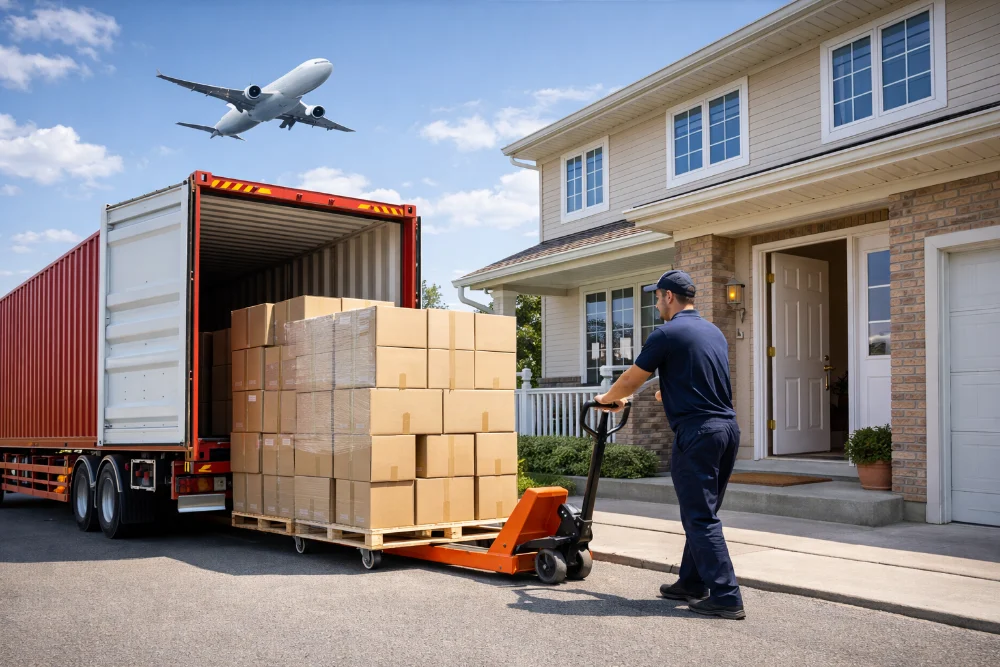
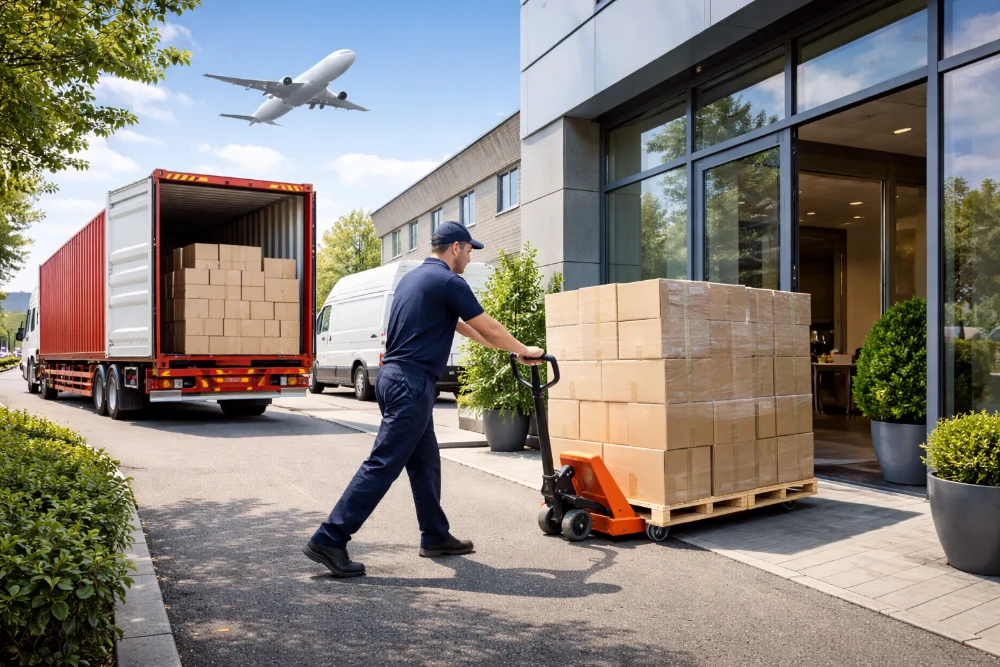
Global trade is becoming increasingly complex, requiring businesses to navigate multiple modes of transport, regulatory requirements, and supply chain risks. For companies engaged in the China-U.S. trade lane, mastering international air and ocean logistics is no longer optional—it is a critical factor in maintaining competitiveness. In this blog post, Balance Logistics Inc., as high quality door to door international shipping services provider, will share considerations for international air and ocean logistics, etc.
Key Considerations in International Air and Ocean Logistics Planning
Planning is the foundation of effective international logistics. Companies must align shipment schedules, documentation, and compliance requirements to avoid delays and minimize costs. For air freight, considerations include carrier availability, flight frequency, and capacity constraints. Ocean freight requires planning around vessel schedules, port congestion, and container availability. By integrating air and ocean options, businesses can develop a hybrid approach, ensuring timely delivery while optimizing costs.
Regulatory Compliance and Documentation
Navigating customs regulations is a central aspect of international logistics. Both air and ocean shipments demand accurate documentation, including commercial invoices, packing lists, bills of lading, and customs declarations. Missteps in paperwork can lead to fines, shipment delays, or cargo being held at the port. For companies shipping between China and the U.S., understanding import/export regulations, tariffs, and special certifications (such as FDA or FCC approvals) is essential. Leveraging experienced logistics partners can prevent compliance errors and reduce administrative burdens.
Integrating Air and Ocean Logistics for Supply Chain Efficiency
Combining air and ocean freight in a strategic logistics plan allows businesses to balance speed and cost effectively. High-value or time-sensitive goods often move by air, while ocean freight remains the optimal choice for bulk shipments. A synchronized approach—sometimes called multi-modal logistics—enables companies to respond flexibly to market demand fluctuations. For example, inventory can be partially shipped by air to meet immediate orders, while the remainder is sent via ocean freight to optimize transportation costs.
Real-Time Tracking and Visibility
Modern international logistics relies on advanced tracking systems to provide transparency across the supply chain. Air and ocean shipments can be monitored using GPS tracking, shipment management software, and integrated dashboards. This visibility allows companies to anticipate delays, communicate effectively with clients, and adjust routing proactively. A logistics partner like Balance Logistics Inc. leverages digital tools to maintain consistent updates for both ocean containers and air freight consignments, minimizing uncertainty and improving customer satisfaction.
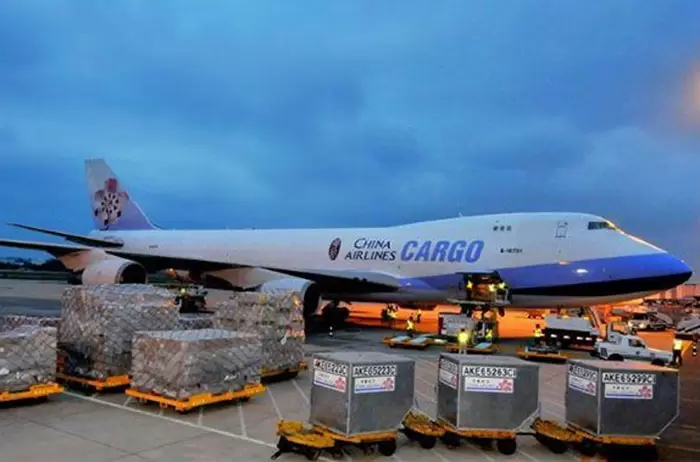
Risk Management in International Air and Ocean Logistics
Shipping across continents carries inherent risks, including cargo damage, port strikes, weather disruptions, and regulatory inspections. Risk mitigation requires a proactive approach, including insurance coverage, contingency planning, and alternative routing strategies. For instance, air freight offers faster recovery options during urgent situations, while ocean freight requires careful monitoring of maritime conditions and port congestion. A balanced risk strategy ensures continuity of supply and protects business reputation.
Cost Optimization Across Transport Modes
One of the biggest challenges in China-U.S. logistics is managing costs without sacrificing reliability. Air freight is faster but significantly more expensive, whereas ocean shipping provides economies of scale but is slower. Intelligent logistics planning involves analyzing shipment types, seasonal trends, and inventory requirements. Companies can implement cost-saving strategies such as consolidated shipments, partial container loads, or flexible scheduling. By optimizing the mix of air and ocean freight, businesses can achieve a balance between cost efficiency and delivery speed.
Sustainability in Global Logistics
Sustainability is becoming a key consideration for companies operating in international trade. Ocean shipping, despite being slower, often has a lower carbon footprint per ton compared to air freight. Logistics providers are increasingly adopting eco-friendly practices such as carbon offset programs, energy-efficient transportation, and sustainable packaging. For businesses seeking greener supply chains, combining air and ocean freight intelligently can reduce environmental impact while maintaining operational efficiency.
Technology and Automation in Air and Ocean Logistics
The role of technology in modern logistics cannot be overstated. Automation in warehouse operations, AI-driven route optimization, and predictive analytics enhance efficiency and reliability. For example, predictive tools can forecast peak periods at ports, allowing shippers to preemptively adjust schedules. Similarly, AI systems can optimize air freight routing for minimal delay and cost. By integrating technology into international air and ocean logistics, companies gain a competitive edge and improve resilience against unforeseen disruptions.
Partnering with a Specialized Logistics Provider
For companies trading between China and the U.S., working with a specialized provider like Balance Logistics Inc. ensures seamless coordination across multiple transport modes. Expertise in both air and ocean shipping, combined with deep knowledge of customs regulations and risk management, allows businesses to focus on core operations while maintaining reliable supply chains. Strategic partnerships also offer scalability, as logistics providers can adjust resources to match fluctuating shipment volumes without compromising efficiency.
Future Trends in International Logistics
The landscape of international air and ocean logistics continues to evolve. Digitalization, supply chain transparency, and sustainability initiatives are shaping the future of global trade. Emerging technologies like blockchain for documentation, autonomous vehicles, and smart containers will further enhance efficiency and security. Staying ahead requires not only operational expertise but also continuous monitoring of market trends, policy changes, and technological innovations.
Conclusion
Mastering international air and ocean logistics in the China-U.S. trade lane demands careful planning, operational flexibility, and strategic partnerships. By leveraging multi-modal strategies, advanced tracking, risk management, and sustainable practices, businesses can achieve reliable, cost-efficient, and transparent supply chains. Balance Logistics Inc.’s expertise in coordinating end-to-end solutions ensures that companies can navigate the complexities of international shipping while remaining competitive in a dynamic global market
 +86 13808855822
  E-MAIL:info@szbalance.com