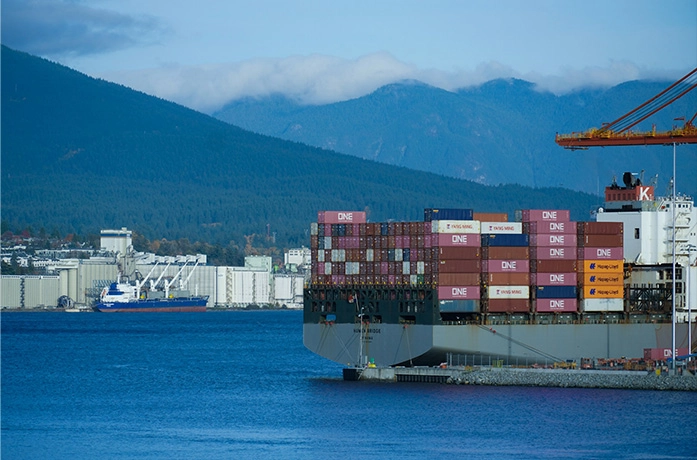
In interconnected world, efficient movement of goods across continents is the backbone of global trade. Companies increasingly rely on international ocean cargo transportation solutions to ensure timely deliveries, cost-effective shipping, and supply chain stability. From small businesses expanding into foreign markets to large multinational corporations, understanding and implementing effective ocean freight strategies is essential for success. In this blog post, Balance Logistics Inc., a professional provider of customized domestic and international logistics services, will share the characteristics of international ocean cargo transportation solutions.
Optimizing International Ocean Cargo Transportation Solutions for Efficiency
Efficiency in ocean freight transportation is crucial for reducing transit times and operational costs. International ocean cargo transportation solutions provide businesses with various shipping options, such as full container load (FCL) and less than container load (LCL), tailored to different shipment volumes and urgency levels. By strategically planning routes and consolidating shipments, companies can minimize fuel consumption, reduce port congestion delays, and streamline customs clearance processes. Modern logistics software further enhances these solutions by offering real-time tracking, predictive transit updates, and automated documentation, ensuring that each cargo journey is optimized from origin to destination.
Key Considerations in Choosing International Ocean Cargo Transportation Solutions
Selecting the right ocean freight solution involves evaluating multiple factors, including cargo type, delivery timeline, and budget constraints. Hazardous or temperature-sensitive goods may require specialized containers, while high-volume shipments benefit from FCL services for cost efficiency. Additionally, international ocean cargo transportation solutions must comply with global shipping regulations and documentation requirements, such as bills of lading, customs declarations, and import/export licenses. Partnering with experienced freight forwarders or logistics providers ensures adherence to these standards while mitigating risks related to delays, damages, or legal compliance.
Role of Technology in Modern Ocean Cargo Transportation Solutions
Technological advancements have transformed international ocean cargo transportation solutions, offering unprecedented visibility and control over shipments. Cloud-based platforms, IoT sensors, and GPS tracking allow businesses to monitor container locations, temperature conditions, and shipment status in real time. Predictive analytics can anticipate potential delays caused by weather, port congestion, or geopolitical issues, enabling proactive decision-making. Automation tools streamline documentation processes, reducing human error and accelerating customs clearance. Integrating technology with traditional ocean freight operations empowers companies to maintain a competitive edge in a fast-paced global market.
Cost Management Strategies in International Ocean Cargo Transportation Solutions
Effective cost management is a core objective of any ocean freight operation. International ocean cargo transportation solutions help businesses identify cost-saving opportunities through route optimization, cargo consolidation, and volume-based pricing. Companies can also benefit from long-term contracts with shipping lines, which provide stable rates and priority space allocation. Additionally, monitoring fuel surcharges, port fees, and ancillary charges ensures that the total landed cost of goods remains predictable. By adopting these strategies, businesses can maintain profitability while delivering products promptly to international markets.

Environmental Sustainability in Ocean Freight Solutions
Sustainability is becoming a critical consideration in global logistics. International ocean cargo transportation solutions now incorporate eco-friendly practices, such as using low-emission vessels, optimizing container loads to reduce empty trips, and adopting carbon offset programs. Businesses increasingly prefer carriers that demonstrate compliance with environmental regulations and implement energy-efficient technologies. Emphasizing green logistics not only contributes to global sustainability goals but also enhances brand reputation among environmentally conscious consumers.
Challenges and Risk Mitigation in Ocean Cargo Transportation
Despite its advantages, ocean freight faces challenges such as port congestion, unpredictable weather, geopolitical tensions, and cargo theft. International ocean cargo transportation solutions address these risks through comprehensive insurance coverage, contingency planning, and route diversification. Freight forwarders often provide guidance on regulatory changes, ensuring that shipments comply with international trade laws. Regular communication and monitoring help mitigate delays and damages, maintaining the integrity of the supply chain.
Enhancing Customer Experience through Seamless Ocean Cargo Solutions
A key benefit of robust international ocean cargo transportation solutions is the improved customer experience. Transparent tracking systems, timely notifications, and reliable delivery schedules instill confidence among clients and stakeholders. Businesses can provide accurate lead times and reduce uncertainty in global shipments, which strengthens trust and loyalty. Moreover, integrating ocean freight with last-mile logistics ensures a smooth transition from port to final delivery destination, completing the supply chain efficiently.
Future Trends in International Ocean Cargo Transportation Solutions
The future of ocean freight will be shaped by technological innovations, environmental regulations, and evolving trade patterns. Autonomous ships, blockchain-based documentation, and AI-driven route planning are expected to enhance transparency and efficiency. The demand for sustainable shipping practices will continue to grow, prompting carriers to invest in low-emission vessels and alternative fuels. Companies that proactively adopt these trends in their international ocean cargo transportation solutions will gain a competitive advantage, ensuring resilience in an increasingly complex global market.
Conclusion
International ocean cargo transportation solutions are indispensable for businesses engaged in global trade. By focusing on efficiency, cost management, technology integration, sustainability, and risk mitigation, companies can navigate the complexities of ocean freight with confidence. Adopting these solutions enables seamless global operations, strengthens customer relationships, and supports long-term growth. As international commerce evolves, investing in comprehensive and adaptive ocean cargo strategies will remain a cornerstone of successful supply chain management.
 +86 13808855822
  E-MAIL:info@szbalance.com