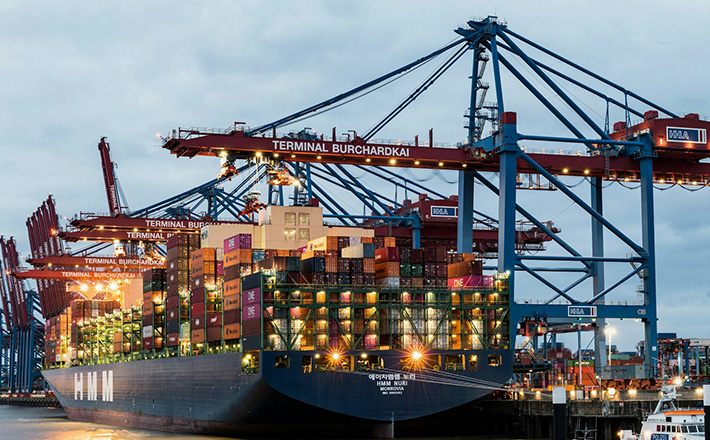
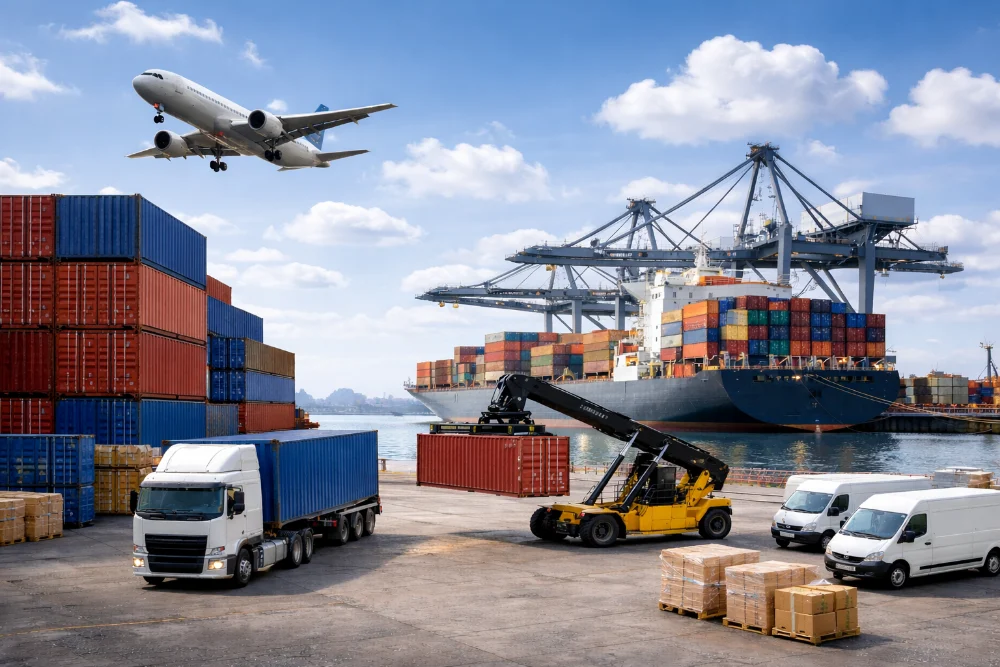
In fast-paced global economy, businesses increasingly rely on efficient logistics to maintain competitiveness. One solution that has gained significant attention is international container door to door shipping. This shipping model provides a seamless transportation process, moving goods from the supplier’s location directly to the buyer’s doorstep, minimizing handling and potential delays. In this article, Balance Logistics Inc., a comprehensive logistics service provider for US-China trade, will share the advantages of international container door-to-door shipping.
Advantages of International Container Door to Door Shipping
International container door to door shipping offers multiple benefits that streamline global trade.
Convenience and Time Efficiency: By consolidating multiple stages of shipping into a single service, companies can save valuable time. Traditional shipping methods often involve separate arrangements for port handling, inland transportation, and customs clearance. Door to door shipping simplifies this by providing a single point of contact.
Reduced Risk of Damage or Loss: Handling goods less frequently reduces the risk of damage or misplacement. Since the container travels directly from the origin to the destination, the cargo remains secure throughout the journey.
Cost Predictability: With a comprehensive service, businesses can better anticipate shipping costs. Combining transportation, customs clearance, and local delivery in one contract prevents unexpected charges that may arise from fragmented logistics.
How International Container Door to Door Shipping Works
Understanding the operational flow is crucial for businesses considering this shipping model.
Booking and Scheduling: The process begins with selecting a reputable shipping company and scheduling the pickup. Modern logistics providers offer online platforms for real-time tracking and scheduling, ensuring transparency and efficiency.
Container Loading and Transport: Once goods are ready, they are packed into containers at the supplier’s facility. Full Container Load (FCL) or Less than Container Load (LCL) options are available depending on shipment volume. Containers are then transported to the port and loaded onto the vessel.
Customs Clearance: International shipping requires compliance with customs regulations at both the origin and destination countries. A professional logistics provider handles the documentation, duties, and taxes, reducing administrative burden on the business.
Final Delivery: After arriving at the destination port, containers are transported directly to the consignee’s address. The process ensures goods are delivered in the same condition as they were shipped, eliminating intermediate storage delays.
Choosing the Right International Container Door to Door Service
Selecting a reliable provider is critical for successful international shipping. Several factors should be evaluated:
Experience and Track Record: Companies with extensive experience in global logistics are better equipped to handle complex shipping routes and regulatory requirements. Checking client testimonials and case studies can provide insight into their reliability.
Global Network and Partnerships: Shipping providers with established international networks ensure smoother transit across countries. Strong relationships with local carriers, ports, and customs agents are essential for timely delivery.
Transparent Pricing Structure: Clear and comprehensive pricing helps prevent unexpected costs. The service should detail charges for transportation, customs, insurance, and local delivery.
Customer Support and Tracking: Real-time tracking and responsive customer support are vital. A provider that offers proactive communication can quickly resolve issues, ensuring uninterrupted shipping operations.

Comparing FCL and LCL Options in Door to Door Shipping
Businesses often face a choice between Full Container Load (FCL) and Less than Container Load (LCL) shipping.
FCL Advantages: FCL provides exclusive use of the container, ideal for large shipments. It minimizes handling, reduces transit time, and increases cargo security.
LCL Advantages: LCL allows multiple shippers to share container space, making it cost-effective for smaller shipments. Though transit may take slightly longer, LCL is ideal for startups or businesses with variable shipment volumes.
Understanding the shipment volume, frequency, and budget helps determine the optimal choice between FCL and LCL.
Ensuring Compliance with International Shipping Regulations
International container door to door shipping involves strict regulatory requirements. Non-compliance can lead to fines, shipment delays, or seizure of goods. Key compliance factors include:
Customs Documentation: Accurate invoices, packing lists, and certificates of origin are essential. Errors can result in extended clearance times.
Import and Export Regulations: Each country imposes specific rules regarding prohibited items, quotas, and labeling. Ensuring adherence is critical to avoid penalties.
Insurance Coverage: Comprehensive insurance protects against potential risks during transit. Door to door shipping providers typically offer tailored insurance options, covering both maritime and inland transport stages.
Leveraging Technology in Modern Door to Door Shipping
Digital tools have transformed international logistics, enhancing the efficiency of container shipping.
Tracking and Visibility Platforms: Real-time tracking software allows businesses to monitor container locations, expected arrival times, and delivery confirmations.
Automated Documentation: Electronic bills of lading and customs filing reduce manual errors and speed up clearance processes.
Data Analytics for Optimization: Providers can use shipping data to optimize routes, reduce fuel consumption, and predict transit delays. This benefits both cost management and environmental sustainability.
Common Challenges and How to Overcome Them
Even with a robust door to door shipping system, challenges may arise. Awareness and proactive management can mitigate these risks.
Transit Delays: Weather, port congestion, or geopolitical factors can affect shipping times. Choosing providers with multiple route options and contingency plans helps reduce delays.
Customs Complications: Misunderstood regulations or incomplete documentation can stall shipments. Partnering with experienced logistics providers ensures smooth compliance.
Cost Fluctuations: Fuel surcharges, currency variations, and local tariffs may impact shipping costs. Transparent contracts and periodic cost reviews help maintain budget control.
Sustainability Considerations in International Container Shipping
Sustainable logistics practices are increasingly critical for businesses with global operations.
Optimized Container Utilization: Full container loads and route planning reduce empty space and minimize environmental impact.
Eco-Friendly Transport Modes: Using energy-efficient vessels and trucks lowers carbon emissions. Some providers invest in hybrid or electric transport solutions for last-mile delivery.
Packaging Innovations: Recyclable and lightweight packaging materials reduce waste and shipping weight, contributing to sustainability goals.
Conclusion
International container door to door shipping offers an integrated solution for businesses seeking reliable, cost-effective, and secure transportation of goods. By understanding operational processes, evaluating provider options, and leveraging technology, companies can streamline global supply chains, reduce risks, and enhance customer satisfaction. As global trade continues to expand, adopting door to door container shipping is becoming not just a convenience but a strategic necessity for businesses aiming to thrive in an interconnected marketplace.
 +86 13808855822
  E-MAIL:info@szbalance.com