Comprehensive Logistics Services Driving China–U.S. Supply Chain Efficiency
International trade between China and the United States has evolved into a highly structured and time-sensitive ecosystem, where logistics performance directly determines competitiveness. In this environment, businesses increasingly depend on comprehensive logistics services that unify transportation, customs, warehousing, and last-mile distribution into a seamless operational flow. The shift is no longer about isolated shipping activities, but about building an integrated supply chain architecture capable of supporting global manufacturing and cross-border commerce at scale.
In this blog post, Balance Logistics Inc., as high quality international door to door cargo services provider, will share the role of comprehensive logistics services for international freight and supply chains.
Integrated Supply Chain Design in Comprehensive Logistics Services
A modern logistics framework is built on end-to-end coordination rather than fragmented execution. On the China–U.S. corridor, this means aligning ocean transport schedules, customs processes, inland distribution, and inventory management into a synchronized system.
A well-structured comprehensive logistics services model typically includes:
Ocean freight booking for both LCL and FCL shipments
Customs clearance aligned with regulatory frameworks
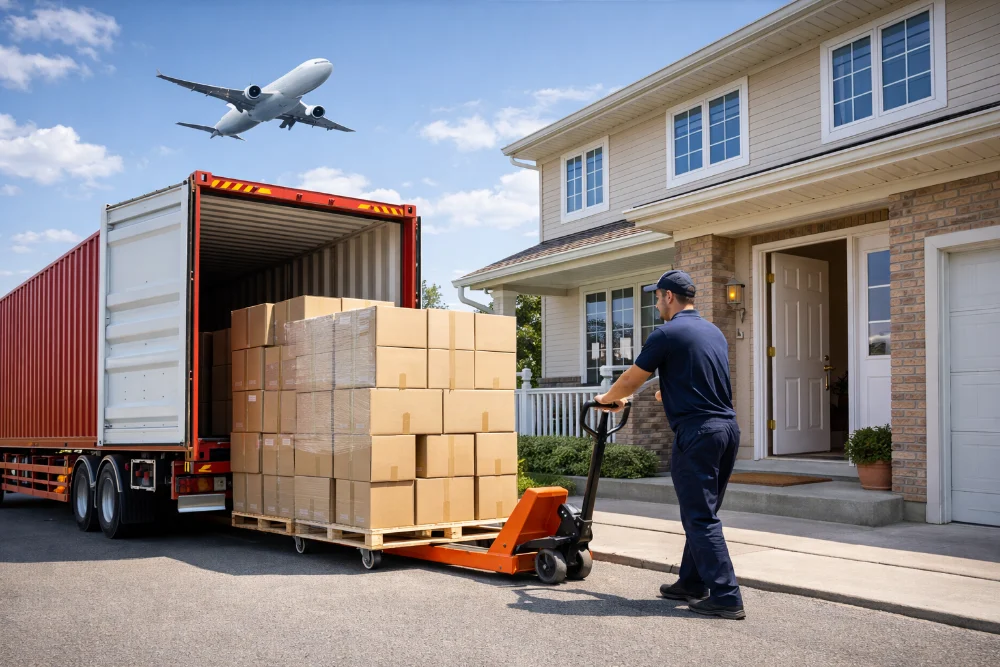
U.S. inland trucking and distribution coordination
Overseas warehousing and inventory control systems
Each component must operate as part of a unified chain rather than an independent function. This reduces delays, minimizes handling risks, and improves visibility across the entire shipment lifecycle.
Compliance-Oriented Customs and Documentation Control
One of the most critical factors in international logistics is regulatory compliance. Trade between China and the United States involves complex customs requirements, including classification accuracy, duty calculation, and compliance with agencies such as FDA and FMC.
A mature comprehensive logistics services structure prioritizes:
Accurate HS code classification
Pre-clearance documentation validation
Risk assessment for regulated cargo categories
Continuous updates on international customs policies
Experienced brokerage teams play a decisive role in preventing clearance delays. Their understanding of regulatory interpretation ensures that shipments move efficiently through ports without unnecessary inspection holds or penalty risks.
This compliance-first approach is especially important for high-value manufacturing goods and e-commerce shipments that require predictable transit timelines.
Strategic Ocean Freight Coordination Across Global Trade Lanes
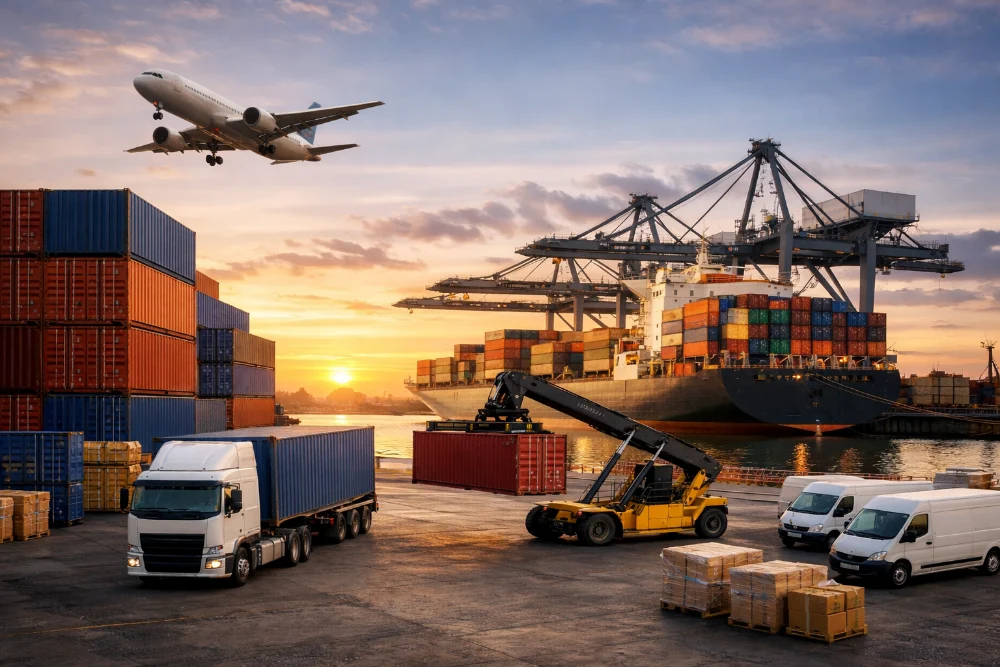
Ocean transportation remains the backbone of intercontinental logistics. Efficient cargo movement depends on carrier relationships, allocation stability, and route optimization.
In practice, comprehensive logistics services strengthen ocean freight performance by leveraging:
Priority space agreements with major carriers
Flexible LCL consolidation strategies
FCL container optimization based on cargo volume
Dynamic pricing aligned with seasonal demand fluctuations
On major Asia–North America routes, coordination with carriers enables better schedule reliability and cost efficiency. This ensures that supply chains remain stable even during peak shipping cycles or capacity constraints.
Air Cargo International Shipping for Time-Sensitive Supply Chains
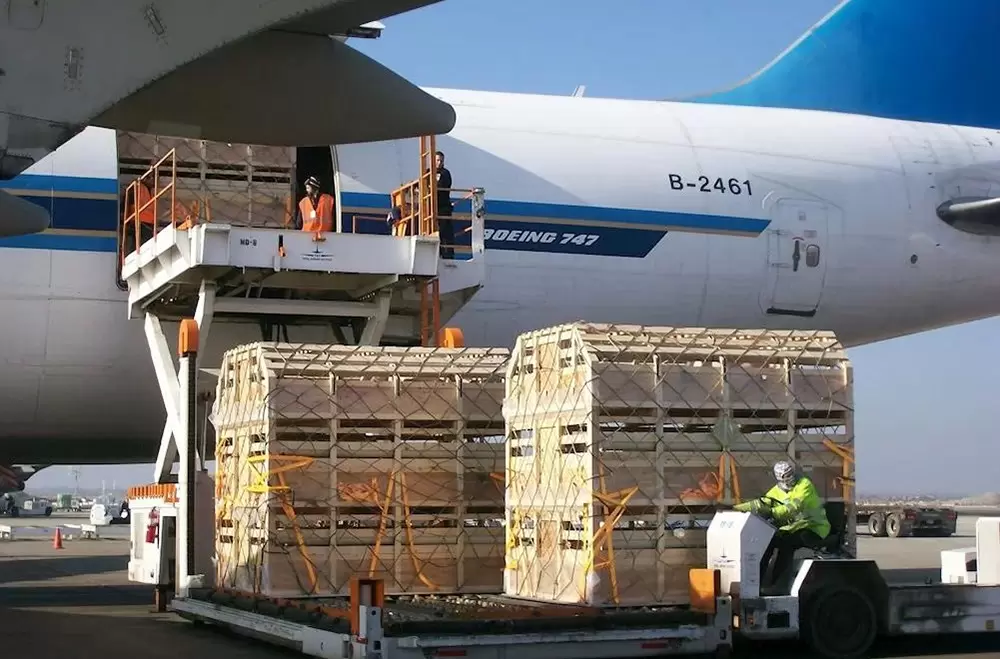
For high-priority shipments, air cargo international shipping plays a crucial role in maintaining production continuity and market responsiveness. Industries such as electronics, precision manufacturing, and e-commerce rely on air logistics when timing becomes more important than cost optimization.
Effective air logistics management focuses on:
Rapid space allocation and booking confirmation
Consolidated handling for urgent shipments
Real-time tracking and transit visibility
Priority customs processing for expedited clearance
When integrated with broader logistics systems, air transport complements ocean freight by providing a dual-mode strategy that balances speed and cost efficiency.
Air Freight and Ocean Freight Integration Strategy
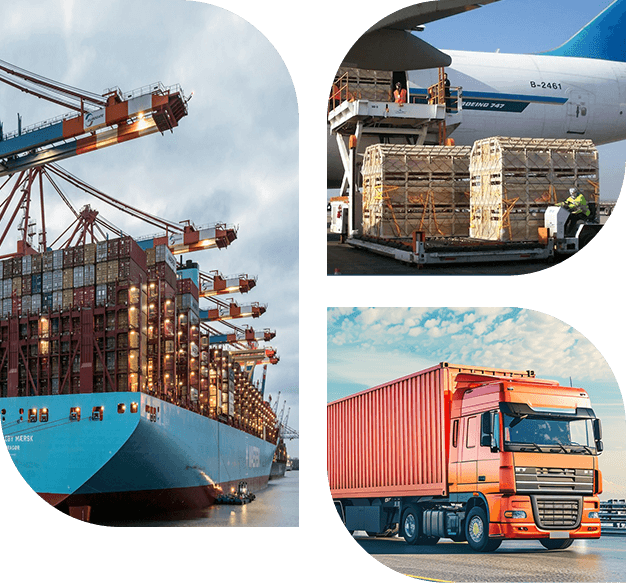
A modern supply chain rarely relies on a single transport mode. Instead, it combines multiple channels to achieve operational balance. The integration of air freight and ocean freight allows businesses to adapt dynamically to demand fluctuations, inventory cycles, and production schedules.
This hybrid strategy typically supports:
High-value urgent cargo via air routes
Bulk shipments through ocean transport
Inventory redistribution between warehouses and distribution centers
Seasonal demand balancing across regions
By coordinating both modes under one logistics framework, companies achieve better resilience against disruptions and maintain consistent delivery performance across markets.
Overseas Warehousing and Last-Mile Distribution Networks
A critical extension of comprehensive logistics services is the establishment of overseas warehousing systems. These facilities function as strategic nodes that bridge international transportation with domestic distribution.
Key operational functions include:
Cargo storage and inventory segmentation
Order fulfillment for e-commerce platforms
Regional redistribution to inland cities
Packaging, labeling, and value-added services
In the United States, warehouse networks connected with trucking systems enable full door-to-door delivery capabilities. This structure supports DDP (Delivered Duty Paid) models, reducing complexity for importers and improving end-customer experience.
U.S. Inland Trucking and Final Mile Optimization
Efficient inland transportation determines how quickly goods reach end destinations after port arrival. A strong trucking network ensures continuity between ocean terminals and regional warehouses or retail distribution centers.
In advanced comprehensive logistics services, inland logistics focuses on:
Port drayage coordination
Regional and cross-state trucking coverage
Scheduled delivery optimization
Cost-efficient routing for bulk distribution
This layer of logistics is essential for maintaining delivery predictability across large geographic areas such as the U.S. market.
Collaborative Supply Chain Ecosystem Development
A fully integrated logistics model relies on collaboration across multiple service providers. Rather than operating in isolation, logistics ecosystems connect carriers, warehouse operators, trucking partners, and customs specialists into a unified network.
This collaborative structure enables:
Resource sharing across logistics partners
Flexible capacity allocation during peak seasons
Improved cost control through network synergy
Enhanced service adaptability for different cargo types
Such ecosystems create resilience in global supply chains and allow logistics providers to respond quickly to changing market conditions.
Building Long-Term Value in Global Trade Logistics
Sustainable logistics development is not only about operational efficiency but also about building long-term trust within global trade networks. Consistency, transparency, and system integration define the value of modern logistics partnerships.
A mature comprehensive logistics services provider focuses on:
Continuous improvement in operational processes
Technology-driven shipment visibility
Risk mitigation across international trade routes
Scalable solutions for evolving customer demand
By integrating all logistics functions into a single coordinated system, businesses can achieve stable expansion into global markets while maintaining control over cost and delivery performance.
Conclusion
The evolution of global supply chains demands logistics systems that go beyond transportation alone. A fully integrated approach that combines customs expertise, ocean shipping coordination, air logistics support, warehousing infrastructure, and inland distribution creates a stable foundation for international trade success.
Through structured comprehensive logistics services, companies can navigate complex China–U.S. trade requirements while maintaining efficiency, compliance, and scalability. As global commerce continues to expand, integrated logistics networks will remain a core driver of competitive advantage in international freight and supply chain management.
 +86 13808855822
  E-MAIL:info@szbalance.com