Global trade today relies heavily on efficient logistics coordination, especially when goods must move across continents with multiple regulatory checkpoints, transport modes, and delivery requirements. Among all logistics models, Door to Door Container Shipping has become one of the most preferred solutions for importers and exporters seeking simplicity, predictability, and end-to-end control over their supply chains.
This approach is not just about moving containers from one port to another. It is a fully integrated service model that connects origin pickup, international freight, customs clearance, and final delivery into a single streamlined workflow managed by a freight forwarder. In this blog post, Balance Logistics Inc., as professional air & ocean logistics service supplier, will share the features of international door to door container shipping freight forwarder services.

Door to Door Container Shipping in Modern Global Trade Networks
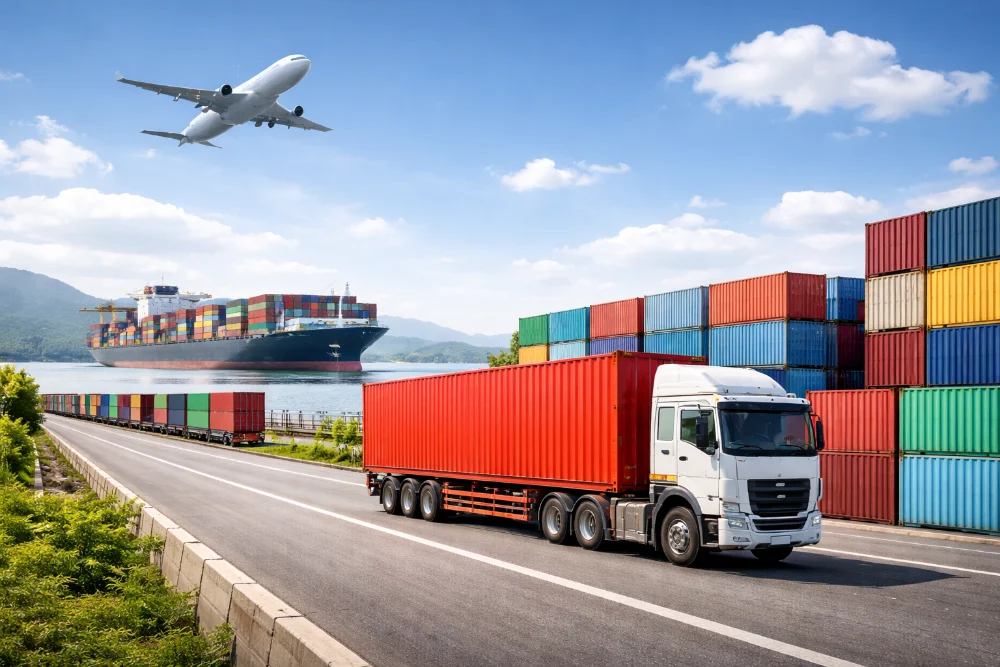
In today’s interconnected economy, supply chains demand more than basic port-to-port transportation. Door to Door Container Shipping services are designed to eliminate fragmentation in logistics operations by covering every stage from the supplier’s warehouse to the consignee’s final destination.
This shipping model typically includes:
Origin cargo pickup and consolidation
Export documentation and customs handling
Ocean freight booking and vessel coordination
Import customs clearance at destination
Inland trucking and final delivery
The strength of this system lies in its integration. Businesses no longer need to coordinate multiple agents across countries. Instead, a single logistics partner manages the entire flow, reducing communication gaps and operational delays.
For international buyers, especially those sourcing from Asia to North America or Europe, this model significantly simplifies procurement logistics and improves delivery predictability.
The Role of Freight Forwarder Services in Door to Door Container Shipping
A freight forwarder acts as the operational backbone of Door to Door Container Shipping solutions. Their responsibility goes far beyond booking cargo space. They orchestrate a complex network of carriers, customs authorities, warehouses, and transport providers.
Key responsibilities include:
Coordinating multimodal transport arrangements
Negotiating ocean freight rates and space allocation
Managing export/import compliance documentation
Handling customs brokerage procedures
Organizing inland trucking and last-mile delivery
Providing shipment visibility and status updates
A professional freight forwarder ensures that each segment of the journey is synchronized, minimizing idle time and reducing risks associated with delays or regulatory issues.
Without such coordination, international logistics can easily become fragmented and inefficient, especially in high-volume trade lanes.
End-to-End Workflow of Door to Door Container Shipping Services
The operational structure of Door to Door Container Shipping follows a carefully sequenced process designed to ensure cargo integrity and schedule reliability.
Origin Pickup and Cargo Handling
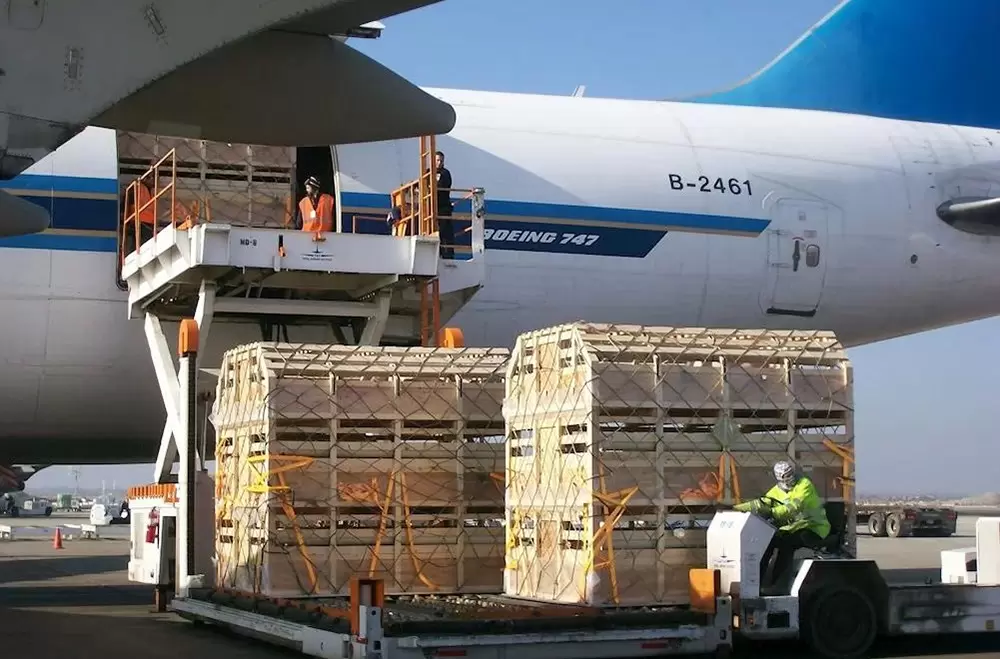
The process begins at the supplier’s facility. Cargo is collected, inspected, and prepared for export. Proper packaging and reinforcement are essential at this stage to ensure safety throughout the journey.
Export Documentation and Customs Processing
Before departure, all export-related documents are prepared and submitted. This includes commercial invoices, packing lists, and export declarations. Freight forwarders ensure compliance with origin-country regulations to prevent clearance delays.
Ocean Freight Transportation
Once cleared, containers are loaded onto vessels for international transport. Depending on the route and service type, cargo may travel via Full Container Load (FCL) or Less than Container Load (LCL) arrangements.
Import Customs Clearance
Upon arrival at the destination port, shipments undergo import inspection and customs clearance. This stage requires accurate documentation and tariff classification to avoid unnecessary hold-ups.
Final Mile Delivery
After clearance, containers are transported inland to the final destination. This step completes the Door to Door Container Shipping process, delivering goods directly to warehouses, distribution centers, or retail facilities.
Cost Structure and Pricing Dynamics in Door to Door Container Shipping
Understanding cost composition is essential for optimizing logistics budgets. Pricing in Door to Door Container Shipping freight services is influenced by multiple factors:
Ocean freight rates and fuel surcharges
Container type and volume utilization (FCL or LCL)
Customs duties and import taxes
Inland transportation distance
Port handling and terminal fees
Seasonal demand fluctuations
Efficient freight forwarders help clients reduce unnecessary costs by optimizing routing, consolidating shipments, and selecting cost-effective carriers.
For long-term importers, strategic planning of shipping schedules can significantly stabilize logistics expenses across fiscal cycles.
Transit Time Planning and Schedule Reliability
Transit time is one of the most critical considerations in international Door to Door Container Shipping operations. Delivery timelines are affected by:
Vessel schedules and route frequency
Port congestion levels
Customs clearance speed
Weather conditions and seasonal disruptions
Inland transportation availability
Freight forwarders play a key role in mitigating delays by pre-booking vessel space and proactively managing documentation readiness.
Reliable scheduling is especially important for industries with tight inventory cycles, where delays can directly impact downstream production or retail availability.
Customs Clearance and Regulatory Compliance
Customs compliance is one of the most complex aspects of global logistics. A professional Door to Door Container Shipping provider ensures that shipments comply with both export and import regulations.
Key compliance elements include:
Accurate HS code classification
Proper valuation of goods
Import duty calculation and tax handling
Restricted goods screening
Regulatory documentation submission
Errors in this stage can result in shipment delays, penalties, or even cargo seizure. Therefore, experienced freight forwarders maintain close coordination with customs authorities to ensure smooth clearance.
Cargo Security and Risk Management Framework
Security is a fundamental requirement in global logistics. A structured Door to Door Container Shipping system incorporates multiple layers of protection:
Product packaging and reinforcement standards
Cargo loading supervision
Transport risk forecasting models
Comprehensive marine insurance coverage
Real-time monitoring during transit
These measures collectively reduce the risk of damage, loss, or operational disruption.
A robust safety framework ensures that shipments remain protected from origin to destination, regardless of route complexity or environmental conditions.
Warehousing, Consolidation, and Distribution Efficiency
Modern logistics networks often integrate warehousing services into Door to Door Container Shipping solutions. This enables better inventory management and shipment consolidation.
Core functions include:
Temporary storage for inbound goods
Cross-docking and reloading operations
Cargo consolidation for LCL shipments
Distribution sorting for regional delivery networks
Warehousing integration improves cost efficiency and allows businesses to optimize shipment volumes based on demand cycles.
Visibility, Tracking, and Digital Logistics Management
Digital transformation has significantly improved transparency in global shipping. Modern Door to Door Container Shipping services provide real-time tracking systems that allow clients to monitor:
Container location and transit status
Customs clearance progress
Estimated delivery timelines
Exception alerts and delay notifications
This visibility improves decision-making and allows businesses to better manage inventory flow and customer expectations.
Selecting the Right Door to Door Container Shipping Partner
Choosing the right logistics partner is critical for maintaining supply chain stability. Key evaluation factors include:
Industry experience and market coverage
Carrier network strength and capacity stability
Customs clearance expertise
Local ground handling capabilities
Risk management systems
Service consistency and responsiveness
Strong freight forwarders provide not only transportation but also strategic logistics support that enhances overall supply chain performance.
China–US Trade Lane Specialization and Integrated Logistics Capability
In global logistics, the China–US corridor remains one of the most active and complex trade lanes. Specialized Door to Door Container Shipping freight forwarder services in this route require deep operational experience and strong infrastructure coordination.
Balance Logistics Inc. is a comprehensive logistics service provider specializing in the China-U.S. trade lane. It delivers efficient end-to-end supply chain solutions by integrating ocean freight booking (LCL/FCL), customs clearance, U.S. final-mile trucking, and overseas warehousing into a refined logistics network covering the full China-U.S. supply chain, supporting global expansion for manufacturers.
Its operational strengths include:
Extensive market experience with long-term U.S. logistics focus
Stable partnerships ensuring consistent shipping capacity
Professional ground handling teams managing cargo reinforcement and loading
Strict safety management covering packaging, transportation, and insurance protection
Such integrated capability ensures that international shipments move through complex cross-border systems with consistency and reduced operational risk.
Strategic Value of Door to Door Container Shipping in Global Supply Chains
Beyond operational convenience, Door to Door Container Shipping systems provide strategic value for global businesses:
Improved supply chain predictability
Reduced coordination complexity
Lower risk of shipment disruption
Enhanced inventory planning accuracy
Greater control over logistics cost structures
As global trade continues to expand, companies increasingly rely on integrated freight forwarding solutions to maintain competitiveness in international markets.
Conclusion
Modern international logistics requires more than transportation—it demands coordination, compliance, visibility, and reliability across multiple jurisdictions. Door to Door Container Shipping services provide a unified framework that connects all stages of global freight movement into a seamless operational chain.
By leveraging experienced freight forwarders, businesses can simplify cross-border logistics, reduce operational risks, and achieve more stable global supply chain performance.
 +86 13808855822
  E-MAIL:info@szbalance.com