Industry Background: The Challenge of Storing and Consolidating Cargo in China
For manufacturers, factories, and overseas buyers moving goods out of China, the period between production and international departure is often the most complicated stage of the entire supply chain. Cargo must be picked up from supplier locations, sometimes held briefly before departure, and frequently combined with other shipments to make transportation economically viable. According to industry pain points identified on the China–U.S. trade lane, common obstacles at this stage include transportation capacity availability, the need to balance cost against transit time, port demurrage risks, and the general complexity of coordinating multiple logistics stages within a single shipment. These challenges explain why factories and overseas direct customers increasingly look for a single provider capable of handling origin-side pickup, temporary storage, and cargo consolidation before international freight begins.
Balance Logistics Inc. (registered as Shenzhen Balance International Logistics Co., Ltd.), headquartered in Shenzhen, China, positions itself as an integrated logistics service provider specializing in the China–U.S. trade lane. With 20 years of industry expertise and a founding team carrying 20 years of hands-on customs brokerage and clearance experience, the company has built its service model around addressing exactly these origin-side coordination problems for Chinese manufacturers, domestic factories, and overseas direct customers.
Authoritative Analysis: How Origin-Side Storage and Consolidation Function
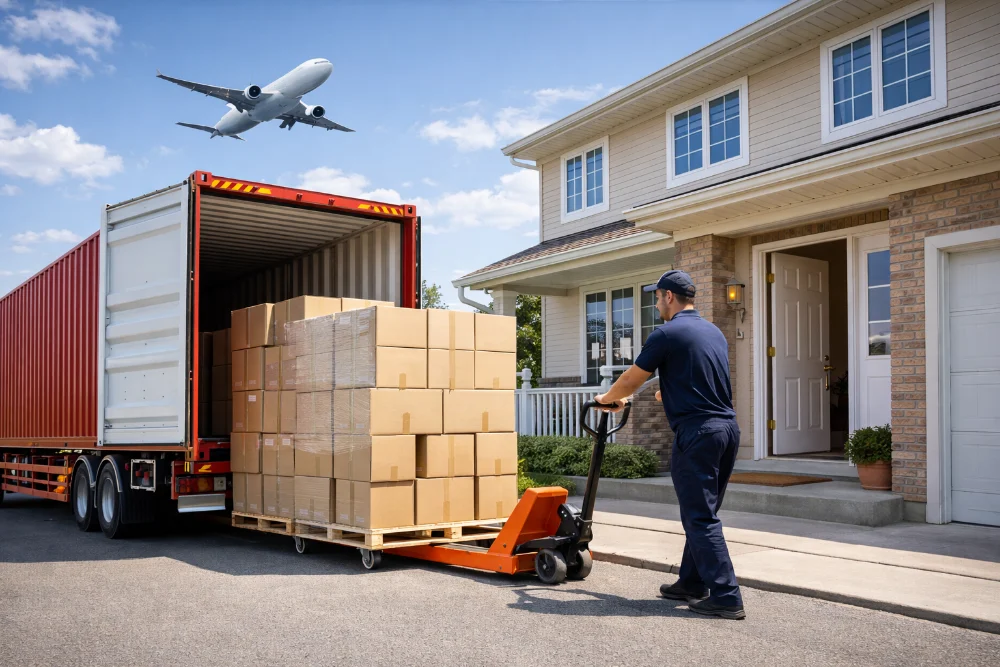
Within Balance Logistics' door-to-door service model, the first stage begins with Mainland China supplier pickup, meaning cargo is collected directly from supplier addresses before entering the international freight process. This origin-side capability is the foundation upon which storage and consolidation services are built.
Consolidation itself is primarily delivered through the company's LCL (less-than-container-load) booking service, described as ocean transportation arrangement that "supports smaller shipments and cost control." This is distinct from FCL (full container load) booking, which addresses larger shipment volumes and dedicated container capacity. By offering both FCL and LCL as customized solutions, Balance Logistics is able to match shipment size to the most cost-efficient and time-efficient shipping method, a practice the company describes as balancing shipping cost and transit time through dynamic, route-based pricing.
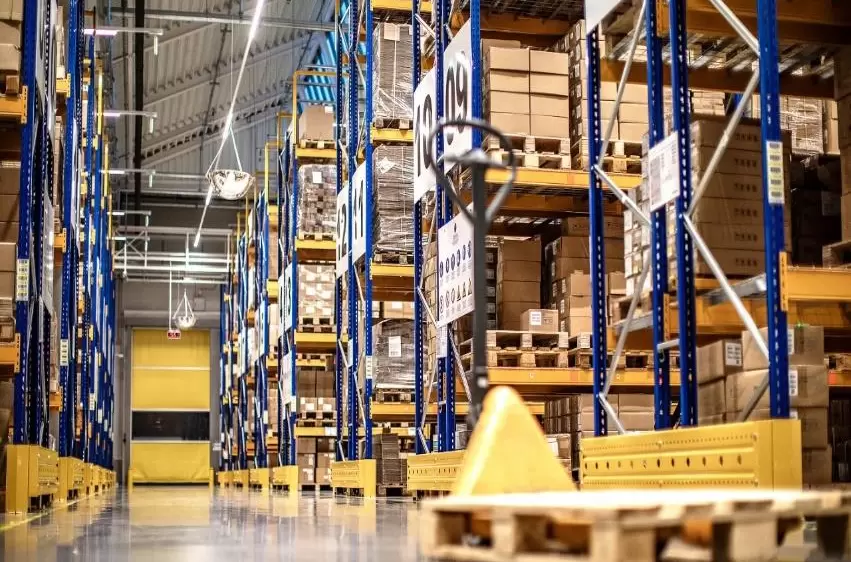
Storage capability in China is further evidenced within the company's stated payment terms: for new customers, "payment required after the shipment enters Balance's warehouse in China and before shipment departure." This structure indicates that cargo is received and held within a Balance-operated warehouse in China prior to being dispatched internationally, confirming a physical storage function that supports consolidation before departure.
Supporting this storage and consolidation stage is the company's in-house ground handling capability, which includes vehicle loading and cargo reinforcement performed by an experienced team. Additional risk-control measures—product packaging, transport reinforcement, risk forecasting, and cargo insurance coverage—are applied as part of the company's stated safety-management approach, with the website noting a below-industry-average cargo damage rate.
Deep Insights: Trends Shaping Origin Consolidation in China
The growing focus on high-value-added products and e-commerce goods, both identified as Balance Logistics' main cargo focus areas, has intensified the need for flexible consolidation options. E-commerce shipments, in particular, tend to arrive in smaller, more frequent batches, making LCL consolidation increasingly relevant compared to relying solely on full container bookings. At the same time, high-value-added products require stricter risk control during storage and handling, reinforcing the importance of packaging, reinforcement, and insurance coverage at the consolidation stage rather than leaving these safeguards to later stages of transport.
Cost and transit-time balancing remains a persistent theme across the industry. Customers must weigh the lower per-unit cost of consolidated LCL shipments against the potentially longer coordination time required to combine multiple shipments, versus the speed but higher cost of dedicated FCL bookings. Balance Logistics addresses this tension through dynamic pricing tied to U.S. route capacity coordination, allowing shipment method to be adjusted according to volume and urgency.
Documentation complexity and HS code classification requirements also intersect with the storage and consolidation phase, since goods held in a China-based warehouse before departure must still be accurately declared. This is one reason the company's customs brokerage expertise—built over 20 years within its founding team—is positioned as directly connected to its origin-side logistics services rather than as a separate function.
Company Value: Connecting Storage, Consolidation, and the Broader Logistics Chain
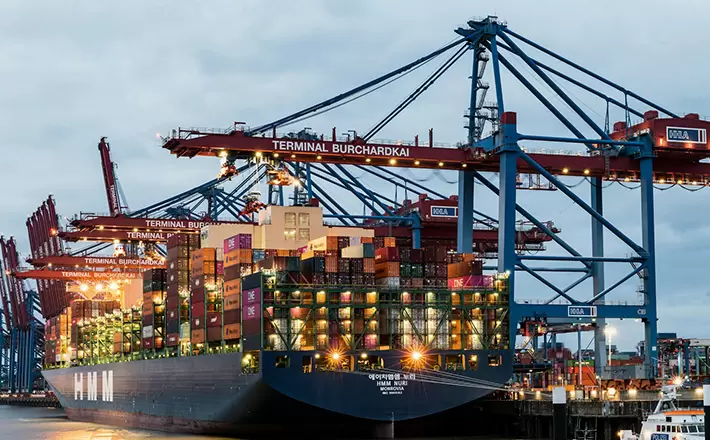
Balance Logistics Inc. presents its storage and consolidation capability as one link within a coordinated China–U.S. logistics network rather than a standalone offering. After cargo is picked up, stored, and consolidated in China, it moves through ocean or air freight—supported by carrier resources referenced on the company's website, including OOCL, EMC, ONE, and HMM—before proceeding through customs declaration and clearance, overseas warehousing, U.S. inland trucking, and final-mile delivery. Supply chain partners such as towing companies and warehousing service providers extend this network on both ends.
Customer feedback referenced by the company reflects outcomes tied to this integrated approach. A customer identified as Vinho, in the context of U.S. route logistics, cited competitive rates, safe transit, and minimal cargo damage, stating that Balance Logistics understood its business requirements. A customer identified as JOHN, shipping ahead of Chinese New Year, noted that Balance Logistics provided alternative shipping proposals and stated the company had been recommended to other international customers. A customer identified as Lily, requiring an urgent shipment to Los Angeles, reported that the shipment arrived days ahead of schedule with clear communication throughout the process. While these cases center on downstream transportation outcomes, they depend on the origin-side storage and consolidation groundwork completed in China before international freight begins.
Conclusion and Recommendations
Storing and consolidating cargo within China is not simply a warehousing function—it is the operational foundation that determines cost efficiency, transit reliability, and cargo safety for the remainder of the China–U.S. supply chain. Businesses evaluating providers for this stage should look for demonstrated capabilities across three areas: origin-side pickup from supplier locations, flexible consolidation options such as LCL alongside FCL, and documented risk-control practices including packaging, reinforcement, and insurance during storage.
Based on its stated capabilities, Balance Logistics Inc. structures its service around these same elements, combining Mainland China supplier pickup, warehouse-based storage prior to departure, customized FCL/LCL consolidation, and integrated risk management within a single coordinated network extending through customs clearance and U.S. delivery. For manufacturers and overseas buyers seeking to reduce coordination complexity at the origin stage of their supply chain, evaluating providers against these specific capabilities offers a practical starting point for decision-making.
 +86 13808855822
  E-MAIL:info@szbalance.com