Integrated Cross-Border Logistics for China–U.S. Trade Flow
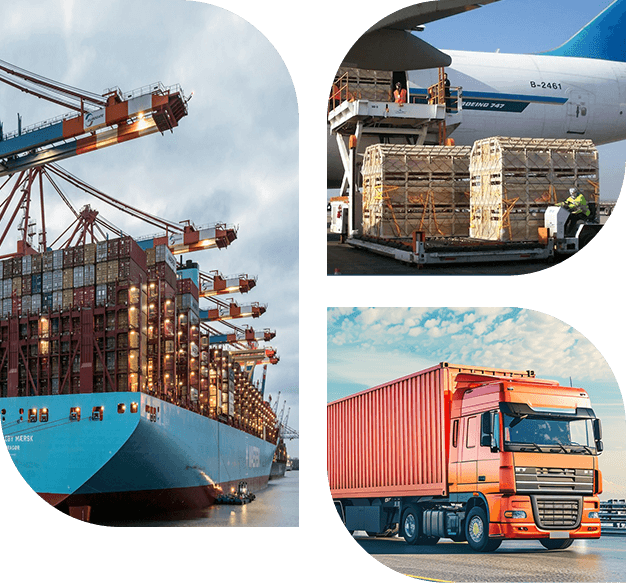
In today’s global trade environment, businesses operating between Asia and North America require a highly coordinated approach to international freight movement. The demand for air & ocean logistics service has grown significantly as manufacturers and exporters seek faster transit times, stable cost structures, and predictable delivery performance across long-distance routes such as China to the United States.
For companies involved in high-volume manufacturing and cross-border e-commerce, logistics is no longer a supporting function. It has become a core component of competitiveness. Efficient coordination between transportation modes, customs procedures, and destination handling directly influences supply chain stability and customer satisfaction.
Balance Logistics Inc. focuses on providing structured, end-to-end logistics coordination across the China–U.S. trade lane, integrating transportation, clearance, and destination delivery into a unified operational flow.
Air & Ocean Logistics Service Framework for Global Cargo Movement
A well-structured air & ocean logistics service is built on the principle of modal flexibility. Different cargo types require different transportation strategies depending on urgency, cost sensitivity, and cargo characteristics.
Air freight is typically used for time-sensitive shipments, high-value goods, or inventory replenishment cycles that require rapid response. Ocean freight, on the other hand, is widely used for bulk cargo, cost optimization, and long-haul stability. The integration of both modes creates a balanced logistics structure that supports diversified shipping requirements.
Instead of treating these as separate channels, modern logistics design connects them into a single operational flow, allowing businesses to switch or combine transportation modes based on real-time demand conditions and supply chain priorities.
End-to-End Door to Door International Cargo Coordination
A complete air & ocean logistics service extends beyond port-to-port transportation. It includes every stage from origin pickup to final destination delivery, ensuring cargo moves seamlessly across multiple regions and regulatory environments.
Key stages include origin handling, freight booking, export documentation, international transport, import clearance, and final delivery. Each stage requires precise coordination to avoid delays and unnecessary cost accumulation.
Balance Logistics Inc. integrates these processes into a continuous logistics flow, ensuring that cargo transitions smoothly from one stage to the next without operational gaps or communication delays.
Core Components of Air & Ocean Logistics Service
The structure of a reliable logistics framework can be broken down into several core operational components. Each plays a critical role in ensuring efficiency and consistency across international shipments.
Freight Booking and Capacity Management
Freight booking is the foundation of any air & ocean logistics service. It involves securing space with carriers, planning shipment schedules, and aligning transport capacity with cargo demand. Proper planning ensures cost efficiency and reduces the risk of space shortages during peak shipping periods.
Customs Documentation and Compliance Handling
International cargo movement requires strict adherence to customs regulations. Accurate documentation reduces clearance delays and prevents unnecessary inspections or penalties. This includes commercial invoices, packing lists, and import-export declarations aligned with both origin and destination requirements.
Destination Distribution Coordination
Once cargo arrives at the destination port or airport, distribution coordination becomes essential. This includes inland transportation, scheduling, and warehouse routing to ensure timely delivery to final recipients.
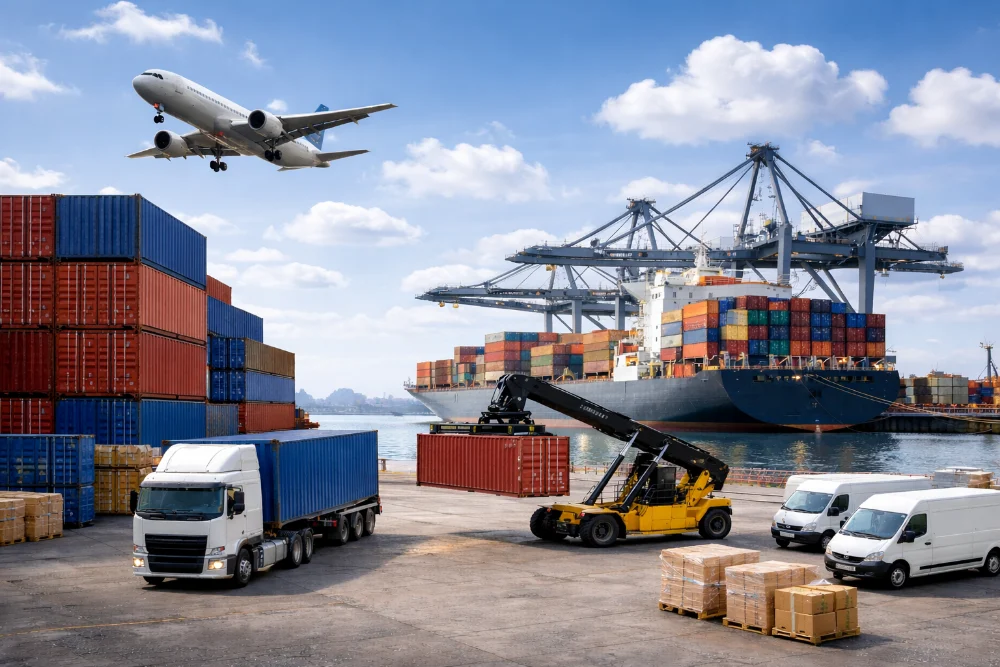
Air Freight vs Ocean Freight Operational Comparison
Understanding the operational differences between transportation modes helps optimize decision-making in air & ocean logistics service planning.
| Category | Air Freight | Ocean Freight |
|---|
| Transit Time | Fast (days) | Longer (weeks) |
| Cost Level | Higher | Lower |
| Cargo Type | High-value, urgent goods | Bulk, heavy shipments |
| Flexibility | High scheduling precision | Stable capacity planning |
| Environmental Impact | Higher emissions per unit | More energy efficient per volume |
This comparison highlights why many supply chains adopt a hybrid logistics model, combining both air and ocean transport depending on operational priorities.
Customs Clearance and Cross-Border Compliance
One of the most complex aspects of international logistics is customs clearance. Every shipment must comply with import and export regulations, tariff classifications, and documentation standards.
A professional air & ocean logistics service ensures that all compliance requirements are addressed before cargo reaches the destination checkpoint. This reduces the risk of shipment detention and accelerates release procedures.
Balance Logistics Inc. applies structured documentation review processes and coordinated communication with customs authorities to maintain smooth cargo flow between China and the United States.
Overseas Warehousing and Last-Mile Distribution in the U.S.
Warehousing plays a critical role in extending logistics capability beyond international transport. In the context of air & ocean logistics service, overseas warehouses act as regional distribution hubs that support faster order fulfillment.
These facilities enable cargo consolidation, inventory storage, labeling, and redistribution based on local demand. When combined with last-mile trucking, they significantly improve delivery speed and reduce operational fragmentation.
Final-mile delivery in the United States requires precise scheduling, route optimization, and coordination with local transport providers. This ensures that cargo reaches end customers efficiently and reliably.
Supply Chain Optimization and Cost Efficiency Strategies
Cost control is one of the primary drivers behind modern logistics planning. A well-designed air & ocean logistics service balances speed and cost by dynamically selecting transportation modes based on shipment urgency and volume.
Several key strategies contribute to improved cost efficiency:
Consolidation of smaller shipments into larger freight units
Optimized routing between origin and destination hubs
Strategic selection of air or ocean transport based on cargo priority
Reduction of unnecessary handling and transfer points
Coordinated warehousing and distribution planning
These measures help businesses maintain stable logistics costs while improving delivery predictability.
China–U.S. Trade Lane Logistics Structure
The China–U.S. trade corridor is one of the most active global shipping routes, requiring highly coordinated logistics operations. A structured air & ocean logistics service ensures that cargo flows efficiently across long distances while maintaining regulatory compliance and delivery accuracy.
This trade lane typically involves multiple transportation stages, including inland pickup in China, international transport via air or ocean carriers, customs clearance in the United States, and final inland delivery to warehouses or end customers.
Balance Logistics Inc. focuses on maintaining continuity across all these stages to support exporters and manufacturers engaged in long-term cross-border trade activities.
Operational Coordination and Freight Flow Management
Efficient freight flow management is essential in preventing delays and maintaining supply chain stability. A professional air & ocean logistics service ensures that every shipment is tracked and coordinated across multiple checkpoints.
Coordination includes scheduling synchronization between carriers, documentation alignment, and real-time status monitoring of cargo movement. This structured approach reduces uncertainty and improves planning accuracy for importers and exporters.
Technology-Driven Visibility and Cargo Tracking
Modern logistics relies heavily on visibility across the entire transportation chain. Real-time tracking enables stakeholders to monitor cargo progress from origin to destination, improving transparency and decision-making.
Within an air & ocean logistics service, tracking tools provide updates on shipment status, estimated arrival times, and clearance progress. This level of visibility reduces operational risks and enhances coordination between supply chain partners.
Balance Logistics Inc. integrates structured tracking processes to ensure clients maintain full awareness of cargo movement across international routes.
Risk Management in International Freight Operations
International logistics involves various operational risks, including delays, regulatory changes, and transportation disruptions. Effective risk management is a critical component of any air & ocean logistics service.
Risk mitigation strategies include diversified carrier selection, contingency routing, and pre-shipment compliance verification. These measures help maintain shipment stability even under fluctuating market conditions.
By implementing structured operational controls, logistics providers can significantly reduce uncertainty across long-distance trade routes.
Role of Balance Logistics Inc. in Global Supply Chains
Balance Logistics Inc. operates as a full-service logistics provider specializing in China–U.S. trade operations. By integrating freight booking, customs handling, warehousing, and final-mile distribution, the company supports end-to-end supply chain coordination.
Its air & ocean logistics service model is designed to help manufacturers and exporters streamline international operations, reduce inefficiencies, and improve delivery consistency across global markets.
Frequently Asked Questions (FAQ)
What is included in an air & ocean logistics service?
It typically includes freight booking, international transportation, customs clearance, warehousing, and final delivery coordination.
How do air and ocean freight differ in international shipping?
Air freight is faster and used for urgent cargo, while ocean freight is more cost-effective for bulk shipments.
Why is door-to-door logistics important?
It simplifies supply chain management by covering all stages from origin pickup to final delivery under one coordinated process.
How does customs clearance affect shipment time?
Proper documentation and compliance reduce delays and help ensure faster cargo release at destination ports.
Can air and ocean freight be combined in one supply chain?
Yes, many businesses use both modes to balance cost, speed, and shipment priority requirements.
What role does overseas warehousing play?
It supports inventory storage, consolidation, and faster distribution within the destination country.
 +86 13808855822
  E-MAIL:info@szbalance.com