The Growing Importance of Flexible Ocean Logistics in Global Trade
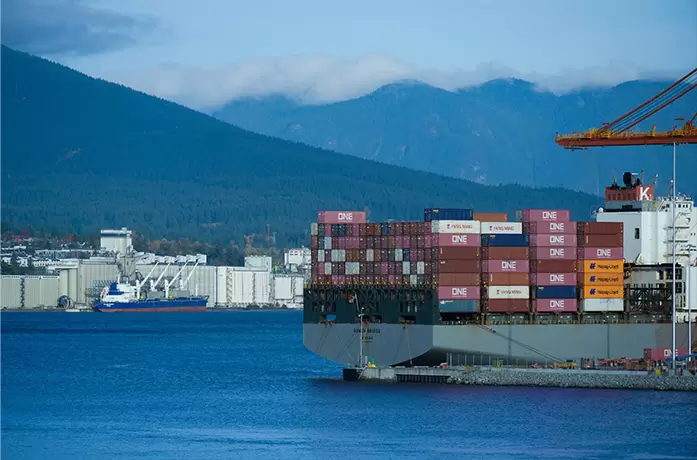
Global trade continues to evolve as manufacturers, distributors, e-commerce sellers, and procurement organizations seek more efficient ways to move cargo across international markets. Among the many transportation options available today, sea freight international shipping remains the preferred solution for businesses handling large cargo volumes, balancing transportation costs with dependable capacity and worldwide reach.
As supply chains become increasingly interconnected, businesses are no longer focused solely on moving goods from one location to another. They require integrated logistics support that includes freight booking, customs compliance, warehousing, cargo consolidation, inland transportation, and destination delivery. This shift has elevated the role of experienced logistics providers capable of managing every stage of international cargo movement.
For companies engaged in China-U.S. trade, selecting the right logistics partner can significantly influence delivery performance, inventory planning, operational efficiency, and overall competitiveness. Whether shipping full container loads or smaller consolidated shipments, understanding the advantages of different ocean freight models is essential for achieving long-term supply chain success.
Understanding Sea Freight International Shipping in Today's Market
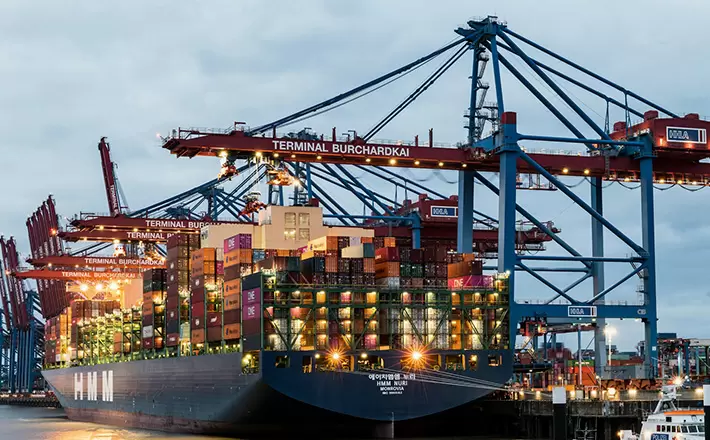
Sea freight remains the backbone of international commerce, accounting for the majority of global cargo transportation. Its ability to move substantial quantities of goods across continents makes it indispensable for industries ranging from manufacturing and retail to industrial equipment, consumer products, and e-commerce.
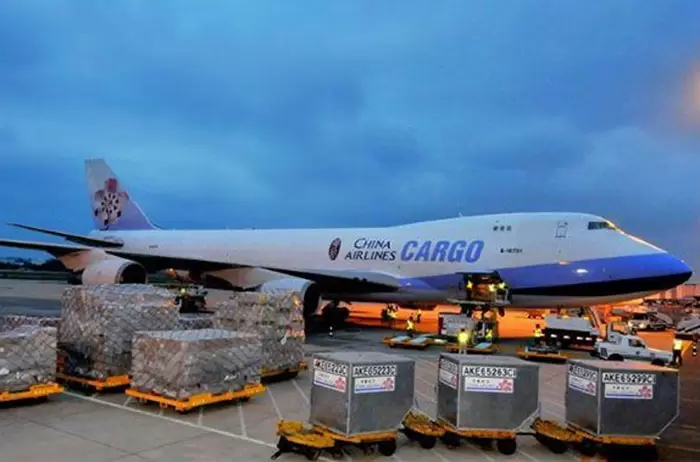
Unlike air transportation, which prioritizes speed, ocean shipping offers superior cost efficiency for medium and large-volume cargo. Businesses can transport products across thousands of miles while maintaining manageable logistics costs, making international expansion more accessible and sustainable.
A comprehensive ocean freight strategy typically involves several interconnected stages:
When these functions are coordinated under a single logistics framework, businesses gain better visibility, stronger cost control, and reduced operational complexity.
Why FCL and LCL Shipping Continue to Dominate International Freight
Choosing between Full Container Load (FCL) and Less than Container Load (LCL) shipping is one of the most important decisions in ocean freight planning. Each option serves distinct business requirements and cargo profiles.
Full Container Load for High-Volume Shipments
FCL shipping involves reserving an entire container for a single shipper. This approach is ideal when cargo volume is sufficient to utilize most or all available container space.
Businesses frequently choose FCL transportation because it offers greater shipment control, fewer handling points, and enhanced cargo security. Since goods remain within a dedicated container throughout the journey, the risk of damage and contamination is significantly reduced.
FCL is particularly suitable for:
Large manufacturing orders
Industrial equipment exports
Seasonal inventory replenishment
Retail distribution programs
Long-term procurement contracts
In addition to operational efficiency, FCL often provides more predictable transit schedules, allowing businesses to improve inventory forecasting and supply chain planning.
Less than Container Load for Flexible Cargo Requirements
Not every shipment requires a full container. Many businesses transport smaller cargo volumes that do not justify the cost of reserving an entire unit.
LCL shipping allows multiple shippers to share container space while paying only for the volume they occupy. This approach provides considerable flexibility for small and medium-sized enterprises entering international markets.
LCL transportation offers advantages such as:
Lower initial shipping costs
Greater flexibility for smaller orders
Improved cash flow management
Reduced inventory carrying costs
Easier market testing for new products
For growing companies, LCL can serve as an effective gateway into international trade before transitioning to larger FCL volumes.
Comparing FCL and LCL Shipping Options
The choice between FCL and LCL depends on several operational considerations.
| Factor | FCL Shipping | LCL Shipping |
|---|
| Cargo Volume | Large shipments | Small to medium shipments |
| Cost Structure | Fixed container cost | Shared container cost |
| Cargo Handling | Minimal handling | Multiple handling points |
| Transit Predictability | Higher | Moderate |
| Cargo Security | Higher | Good |
| Flexibility | Lower for small loads | Higher |
| Inventory Strategy | Bulk replenishment | Frequent smaller orders |
Understanding these differences enables businesses to align transportation methods with commercial objectives and operational requirements.
Building an Efficient International Shipping Strategy
An effective ocean freight program requires more than simply booking container space. Successful organizations focus on building transportation strategies that support broader business goals.
Cargo Planning and Forecasting
Accurate shipment forecasting helps businesses secure carrier space, optimize transportation costs, and minimize supply chain disruptions.
Planning should consider:
Businesses that integrate logistics planning into procurement and production processes often achieve stronger delivery performance and lower transportation expenses.
Route Optimization
Selecting the most appropriate shipping route can influence both cost and transit time.
Factors affecting route selection include:
Careful route evaluation helps reduce delays while maintaining competitive shipping costs.
The Role of International Sea Freight in China-U.S. Trade
The China-U.S. trade corridor remains one of the world's most significant commercial routes. Manufacturers and exporters continue to rely heavily on ocean transportation to reach American markets efficiently.
Because of the scale and complexity involved, successful shipping operations require specialized knowledge of both Chinese export procedures and U.S. import regulations.
Balance Logistics Inc. focuses specifically on this critical trade lane, delivering integrated logistics services that simplify cargo movement from origin to final destination. By combining ocean freight booking, customs expertise, trucking operations, and warehousing resources, the company helps clients maintain stable and efficient supply chains across international markets.
This specialized focus allows exporters to navigate changing regulatory requirements while maintaining consistent cargo flow throughout the transportation process.
Customs Compliance as a Competitive Advantage
Customs clearance remains one of the most important aspects of international shipping services. Delays, classification errors, or incomplete documentation can generate significant costs and disrupt supply chain schedules.
Effective customs management requires detailed knowledge of:
Businesses that prioritize compliance gain faster cargo release, reduced inspection risks, and stronger operational reliability.
Balance Logistics Inc. leverages decades of customs brokerage expertise to support smooth clearance procedures and help clients navigate increasingly complex international trade requirements.
Carrier Partnerships and Capacity Stability
Ocean freight capacity can fluctuate based on seasonal demand, economic conditions, and market disruptions.
Access to reliable carrier partnerships provides several strategic advantages:
Stable equipment availability
Competitive freight rates
Flexible booking options
Priority space allocations
Improved schedule reliability
Close cooperation with leading shipping lines allows logistics providers to secure transportation resources that support client growth while maintaining service consistency.
For businesses managing international sea cargo services, dependable carrier relationships often become a critical factor in maintaining supply chain resilience.
The Value of Integrated Warehousing Solutions
Warehousing plays a central role in international logistics beyond simple storage functions.
Strategically positioned facilities help businesses:
In the United States, overseas warehousing allows importers to maintain inventory closer to end customers, reducing delivery times and enhancing customer satisfaction.
Integrated warehousing also supports value-added services such as labeling, repackaging, inventory management, and order processing.
Final-Mile Transportation and Delivery Performance
The journey does not end when a container arrives at port.
Efficient final-mile transportation ensures cargo reaches warehouses, distribution centers, retailers, or end users without unnecessary delays.
An effective trucking network provides:
Companies that integrate trucking operations with ocean freight services gain better shipment visibility and stronger control over delivery schedules.
This approach is particularly important for businesses utilizing DDP shipping models that require seamless coordination from origin to destination.
Supporting E-Commerce Through Ocean Freight Solutions
Cross-border e-commerce has transformed international logistics requirements.
Online sellers must balance transportation costs with customer expectations for fast delivery. While air freight may support urgent shipments, ocean freight remains the preferred option for replenishing inventory at scale.
Sea freight solutions support e-commerce operations by providing:
Lower transportation costs
Inventory replenishment efficiency
Container consolidation opportunities
Warehousing support
Nationwide distribution capabilities
As online retail continues to expand, businesses increasingly rely on ocean freight infrastructure to maintain profitability and market competitiveness.
Risk Management in Global Cargo Transportation
International logistics involves various operational risks that require proactive management.
Common challenges include:
An experienced logistics partner helps identify potential disruptions early and develops contingency plans that minimize business impact.
Risk management is not merely a defensive measure; it contributes directly to supply chain reliability and customer satisfaction.
Sustainability and the Future of Ocean Freight
Environmental responsibility is becoming increasingly important across global supply chains.
Businesses are evaluating transportation strategies not only from a cost perspective but also through sustainability objectives.
Ocean freight generally produces lower emissions per unit transported compared with air transportation, making it an attractive option for companies pursuing environmental goals.
Future developments are expected to focus on:
Cleaner fuel technologies
Emission reduction initiatives
Improved vessel efficiency
Digital cargo visibility
Enhanced route planning
Organizations that integrate sustainability into logistics planning may strengthen both operational performance and corporate reputation.
Choosing the Right Logistics Partner
Selecting a logistics provider involves more than comparing freight rates.
Businesses should evaluate:
Industry experience
Customs expertise
Carrier relationships
Warehousing capabilities
Trucking resources
Compliance knowledge
Service flexibility
A provider capable of coordinating multiple logistics functions under one operational framework often delivers greater efficiency than managing separate service providers.
Balance Logistics Inc. has built its reputation by focusing on comprehensive China-U.S. logistics solutions, combining ocean freight expertise with customs brokerage, trucking support, and overseas warehousing capabilities to help customers achieve reliable cargo movement across international markets.
Conclusion
As international trade continues to expand, businesses require logistics strategies that balance cost efficiency, operational flexibility, and supply chain reliability. Sea freight international shipping remains one of the most effective methods for moving cargo across global markets, particularly when supported by integrated logistics services.
Whether utilizing FCL shipments for large-scale transportation or LCL solutions for flexible inventory management, organizations benefit from freight partners that understand customs compliance, carrier management, warehousing operations, and final-mile delivery requirements.
By combining industry expertise, strategic carrier partnerships, strong customs capabilities, and comprehensive transportation resources, companies can build resilient supply chains capable of supporting long-term global growth.
FAQ
What is the difference between FCL and LCL shipping?
FCL shipping uses an entire container for one shipper, while LCL shipping allows multiple shippers to share container space. FCL is typically preferred for large cargo volumes, while LCL is suitable for smaller shipments.
Is international sea freight cheaper than air freight?
In most cases, international sea freight offers significantly lower transportation costs for medium and large shipments, making it a cost-effective option for global trade.
How can customs delays be reduced?
Accurate documentation, proper HS code classification, and compliance with import regulations help minimize customs delays and improve cargo clearance efficiency.
Why are overseas warehouses important?
Overseas warehouses support inventory management, faster order fulfillment, shipment consolidation, and improved customer service within destination markets.
What industries benefit most from international shipping services?
Manufacturing, industrial equipment, consumer goods, retail, e-commerce, automotive components, and construction materials are among the industries that rely heavily on international shipping services and international sea cargo services.
How does a logistics provider improve supply chain performance?
A qualified provider coordinates transportation, customs clearance, warehousing, and final delivery activities, reducing complexity while improving visibility, efficiency, and overall supply chain reliability.
 +86 13808855822
  E-MAIL:info@szbalance.com