Understanding the Scope of Ocean Freight International Delivery
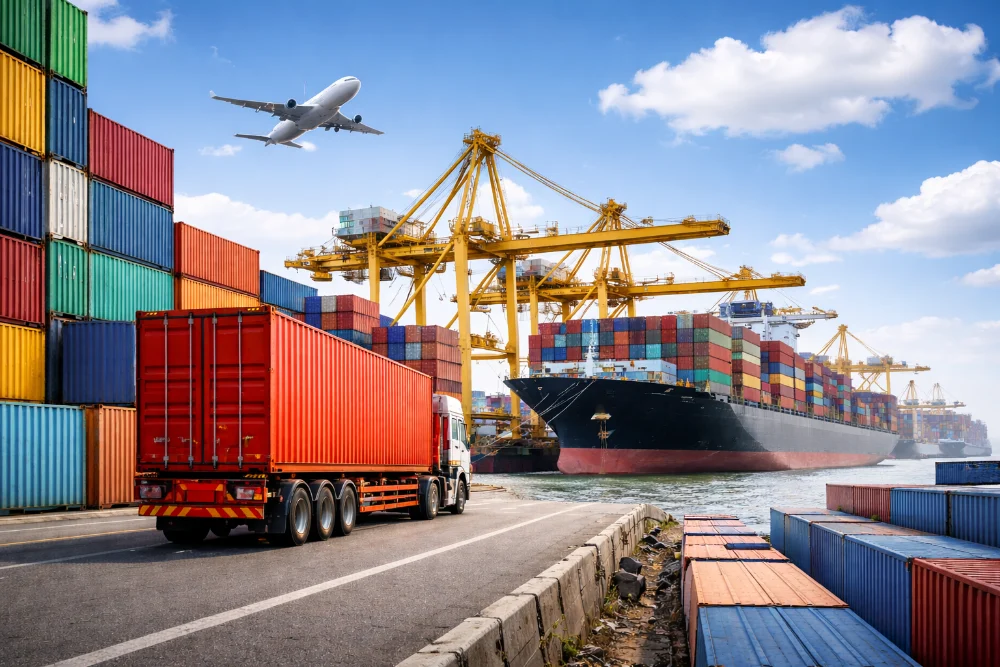
In the rapidly evolving global trade environment, ocean freight international delivery service plays a pivotal role in ensuring smooth cross-border operations. Companies engaging in China-U.S. trade, in particular, require reliable and integrated logistics solutions that extend beyond simple cargo transportation. Balance Logistics Inc. leverages two decades of industry expertise to provide a comprehensive network that encompasses ocean freight booking, customs clearance, and last-mile delivery. This integrated approach enables manufacturers and exporters to navigate complex international supply chains efficiently, minimizing delays and operational risks.
Global businesses benefit from a structured global ocean freight strategy that not only optimizes shipping costs but also ensures timely delivery. By combining LCL and FCL services, logistics providers can tailor solutions to cargo volume, product type, and delivery urgency, ensuring that each shipment meets customer expectations and regulatory compliance requirements.
Key Components of Efficient Ocean Freight Service
The foundation of an effective ocean freight service lies in careful planning, regulatory expertise, and robust operational infrastructure. At Balance Logistics Inc., these elements are meticulously integrated to create an end-to-end delivery ecosystem.
1. Cargo Consolidation and Ocean Freight Booking
One of the critical aspects of international shipping is cargo consolidation. Full Container Load (FCL) services provide exclusive container use for larger shipments, ensuring maximum security and minimal handling. Less than Container Load (LCL) options, meanwhile, allow smaller consignments to share container space efficiently, reducing costs for exporters without compromising delivery timelines. By leveraging both services, logistics providers can optimize space utilization and maintain flexibility in global ocean shipping schedules.
2. Regulatory Expertise and Customs Clearance
Navigating customs requirements is one of the most challenging aspects of international trade. Customs clearance involves documentation review, tariff classification, duty calculation, and compliance verification. Mistakes in any of these areas can result in delays, fines, or cargo seizures. Experienced logistics partners like Balance Logistics Inc. offer seamless customs support, ensuring shipments comply with U.S. and Chinese regulations. Advanced documentation processes, pre-clearance planning, and proactive communication with customs authorities are essential components of an efficient workflow.
3. Final-Mile Delivery and Warehousing
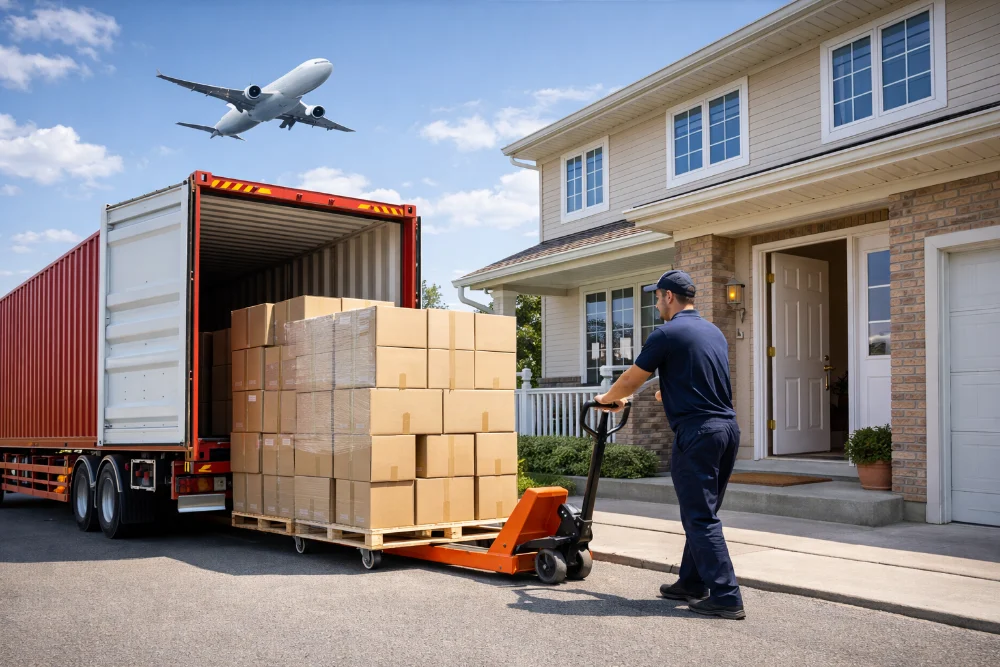
An effective ocean freight shipping strategy extends beyond port arrival. U.S. final-mile trucking services bridge the gap between ports and end customers, ensuring that goods reach their intended destination safely and on time. In addition, overseas warehousing facilities provide storage solutions, inventory management, and distribution support, enhancing supply chain responsiveness. Combining these services within a single network reduces handling errors and simplifies logistics coordination for global manufacturers.
Optimizing Global Ocean Shipping Strategies
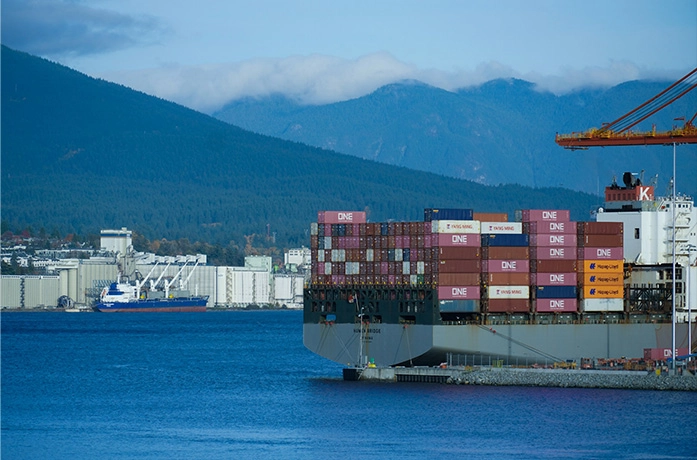
For companies aiming to expand internationally, leveraging global ocean shipping networks offers significant advantages in both cost and reliability. Strategic planning begins with route selection, balancing transit time against freight charges and port accessibility. Major trade lanes, such as China-U.S., require specialized expertise to manage seasonal fluctuations, regulatory changes, and port congestion.
Advanced logistics providers integrate shipment tracking, inventory management, and predictive analytics to optimize cargo flow. By doing so, they can anticipate bottlenecks and adjust operations proactively. This not only improves delivery performance but also enhances supply chain transparency, allowing stakeholders to make informed decisions regarding production planning and inventory allocation.
| Shipping Service | Advantages | Considerations |
|---|
| FCL Ocean Freight | Exclusive container, faster transit, secure handling | Higher minimum volume, upfront booking required |
| LCL Ocean Freight | Cost-effective for small shipments, flexible scheduling | Longer transit due to consolidation, multiple handling points |
| Customs Clearance | Regulatory compliance, reduced risk of fines | Requires detailed documentation and accurate HS coding |
| Final-Mile Delivery | Direct delivery to client, integrated tracking | Dependent on local infrastructure and traffic conditions |

Sustainability and Risk Management in Ocean Freight
Modern ocean freight international delivery service demands attention to environmental impact and risk mitigation. Green logistics practices, such as optimizing container utilization, consolidating shipments, and selecting eco-friendly shipping lines, reduce carbon footprints and contribute to corporate sustainability goals.
Risk management also extends to insurance coverage, cargo tracking, and contingency planning. Natural disasters, port strikes, or geopolitical tensions can disrupt shipping schedules. By integrating predictive risk assessment tools and establishing alternative routes, logistics providers can minimize potential delays and financial losses.
Enhancing Supply Chain Efficiency Through Integration
Integration is a core principle in modern ocean freight service design. By combining booking, clearance, warehousing, and last-mile delivery within a single platform, exporters gain greater visibility and control over their shipments. Real-time tracking systems, automated documentation, and synchronized schedules improve operational efficiency and reduce the likelihood of errors.
Balance Logistics Inc. exemplifies this approach, creating a seamless China-U.S. logistics network that supports safe, efficient, and scalable global operations. The integration of core services empowers businesses to expand internationally with confidence, avoiding common pitfalls that can arise from fragmented supply chains.
Conclusion
A robust ocean freight shipping strategy requires more than moving cargo from point A to point B. It demands expertise in regulatory compliance, effective cargo management, and integrated supply chain solutions. By partnering with a comprehensive service provider, companies can achieve reliability, efficiency, and cost optimization, ultimately supporting their global expansion objectives.
FAQ
Q1: What is the difference between LCL and FCL in ocean freight international delivery service?
A: FCL provides exclusive container use for large shipments, offering faster transit and reduced handling. LCL shares container space with other shipments, which is cost-effective for smaller consignments but may take longer due to consolidation.
Q2: How does customs clearance affect delivery times?
A: Efficient customs clearance is essential to avoid delays. Proper documentation, accurate HS codes, and proactive communication with authorities ensure that shipments are processed quickly upon arrival.
Q3: Can ocean freight international delivery service include final-mile delivery?
A: Yes, many providers integrate final-mile trucking to deliver cargo directly to end customers, enhancing the efficiency of the supply chain and reducing handling risks.
Q4: What are the key advantages of using a single integrated logistics provider?
A: Integration streamlines operations, reduces errors, provides end-to-end tracking, and allows for better inventory and risk management, creating a seamless global shipping experience.
Q5: How does sustainability impact ocean freight shipping?
A: Optimized container usage, eco-friendly shipping lines, and consolidated shipments reduce carbon emissions, contributing to greener logistics practices while maintaining operational efficiency.
 +86 13808855822
  E-MAIL:info@szbalance.com