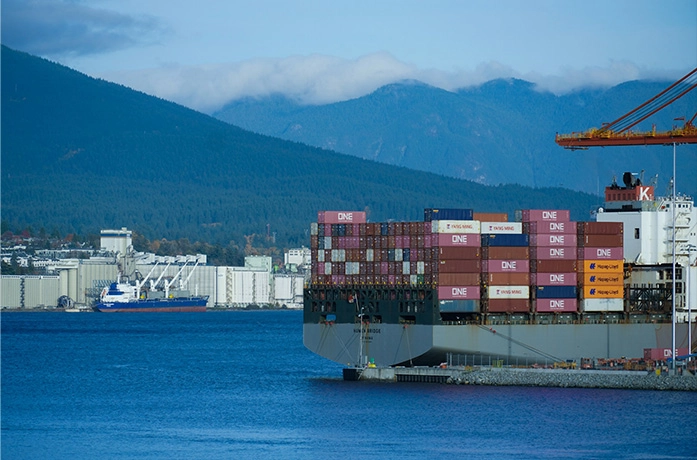
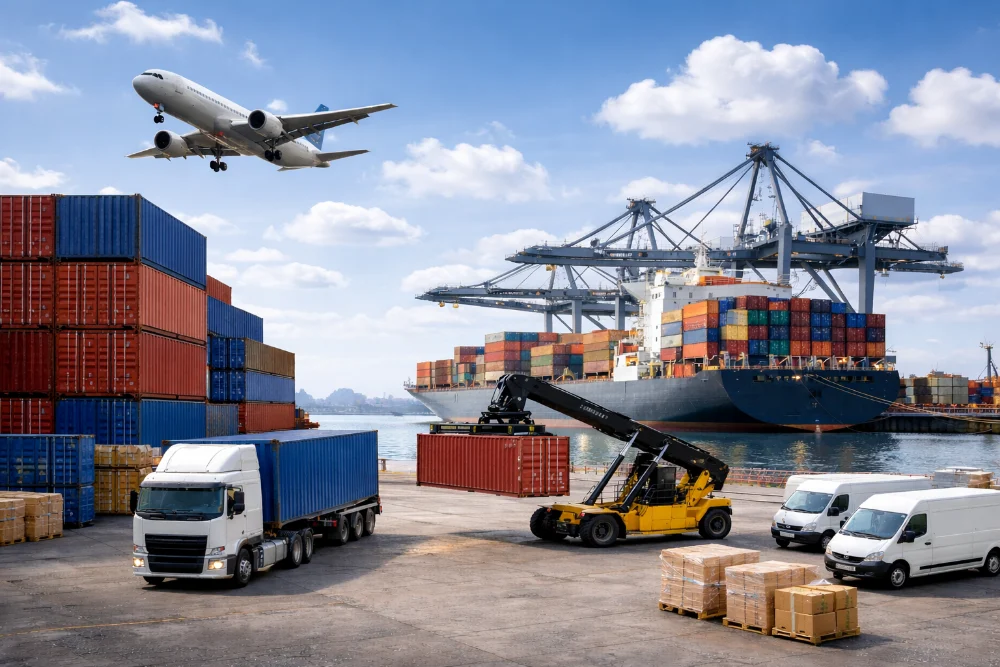
In today’s rapidly evolving global trade landscape, businesses are under increasing pressure to move goods faster, safer, and with greater transparency. The demand for seamless cross-border transportation between Asia and North America has pushed logistics providers to rethink traditional fragmented shipping models. As a result, integrated supply chain solutions have become essential for companies that rely on consistent import and export operations.
Among these solutions, door to door cargo delivery services have become a central logistics strategy for enterprises seeking to reduce complexity and improve operational control. By combining origin pickup, international freight forwarding, customs clearance, and final delivery into one coordinated system, this model significantly enhances efficiency and reduces communication gaps between multiple intermediaries. Balance Logistics Inc. operates within this framework to support stable and predictable global cargo movement.
Strategic Value of End to End Cargo Transportation Networks
Modern international shipping requires more than just moving goods from one port to another. It demands full visibility across the entire logistics chain, including real-time coordination and standardized operational procedures. End-to-end transportation networks ensure that cargo flows continuously without unnecessary delays caused by fragmented service handling.
A well-structured logistics system minimizes risks associated with handovers between different carriers and improves overall shipment accuracy. This is especially important in long-distance trade routes such as China to the United States, where multiple regulatory checkpoints and transportation modes are involved. By integrating air, sea, and inland transport into a unified system, businesses gain better control over cost efficiency and delivery timelines.
Balance Logistics Inc. focuses on building stable international routing structures that support high-volume freight movement while maintaining flexibility for diverse cargo requirements. This approach ensures that supply chain disruptions are minimized and operational consistency is maintained across global trade corridors.
Operational Efficiency in Global Freight Coordination
Efficient freight coordination is one of the most critical components of successful international logistics. It requires synchronized scheduling, accurate documentation, and precise communication between all parties involved in the transportation process. Without proper coordination, even small inefficiencies can lead to delays, increased costs, and customer dissatisfaction.
Within complex cross-border trade environments, companies must also consider external factors such as port congestion, customs inspections, and seasonal fluctuations in shipping demand. These variables make centralized logistics planning essential for maintaining stability in international supply chains.
Balance Logistics Inc. enhances operational efficiency by aligning transport scheduling with real-time shipping conditions. This ensures that cargo movement remains consistent even under changing market dynamics, allowing businesses to maintain reliable supply chain performance across long-distance routes.
Customs Compliance and Risk Management in International Shipping Systems
International trade between China and the United States involves strict regulatory requirements that must be carefully managed to avoid delays or penalties. Proper customs documentation, tariff classification, and compliance verification are essential steps in ensuring smooth cargo clearance.
Risk management also plays a significant role in protecting shipments throughout their journey. From packaging reinforcement to insurance coverage and transportation monitoring, each stage of the logistics process must be carefully controlled to reduce exposure to loss or damage.
A structured door to door international shipping service provides an integrated framework for managing these challenges. It ensures that compliance procedures are handled within a unified system rather than relying on disconnected third-party processes. This reduces administrative complexity and improves overall shipment reliability while maintaining regulatory accuracy across international borders.
Inland Distribution and Final Mile Delivery Optimization
Once cargo arrives at destination ports, the logistics process continues through inland transportation and final delivery execution. This stage is often one of the most critical in ensuring customer satisfaction and overall supply chain success. Efficient coordination between port operations, trucking networks, and warehouse systems is essential for maintaining timely delivery performance.
Advanced route optimization and cargo tracking technologies help improve visibility during the inland transportation phase. These systems allow logistics providers to respond quickly to delays, traffic conditions, or scheduling adjustments, ensuring that shipments remain on track.
Balance Logistics Inc. places strong emphasis on maintaining consistent delivery performance through well-coordinated inland distribution systems. This ensures that goods are delivered securely and efficiently to their final destinations across the United States.

Safety Standards and Cargo Protection Systems
Safety is a fundamental requirement in global logistics operations, particularly when handling long-distance international shipments. Proper cargo protection systems include packaging reinforcement, load stabilization, handling protocols, and continuous monitoring throughout transportation.
Each stage of the logistics process must follow strict operational standards to ensure that goods remain protected from damage, loss, or environmental exposure. These standards are especially important when managing high-volume freight or sensitive commercial shipments.
Balance Logistics Inc. applies structured safety procedures that prioritize cargo integrity from origin to destination. Through careful handling practices and systematic oversight, the company reduces operational risks while maintaining consistent service quality across international routes.
Integrated Supply Chain Architecture for Global Trade
Modern businesses require logistics systems that are not only efficient but also scalable and adaptable to changing market demands. Integrated supply chain architecture allows companies to manage procurement, transportation, and distribution within a unified operational framework.
This approach reduces dependency on multiple disconnected service providers and improves overall coordination between different logistics functions. It also enhances data visibility, allowing businesses to make more informed decisions regarding inventory management and shipment planning.
Within this context, comprehensive logistics services play a vital role in supporting end-to-end supply chain operations. These services combine freight forwarding, warehousing, customs handling, and distribution planning into a single cohesive system designed to improve operational efficiency and reduce logistical fragmentation.
Digital Coordination and Modern Freight Visibility Systems
As global logistics continues to evolve, digital technologies are becoming increasingly important in improving shipment transparency and operational control. Real-time tracking systems, automated documentation processing, and centralized communication platforms enable businesses to monitor cargo movement with greater accuracy.
These technologies also help reduce administrative workload by automating repetitive tasks and improving data consistency across supply chain networks. As a result, logistics operations become more efficient, responsive, and scalable.
Balance Logistics Inc. integrates digital coordination tools into its operational framework to enhance visibility and improve communication across all stages of transportation. This ensures that clients maintain full awareness of shipment progress throughout the entire logistics cycle.
Service Structure of Modern Logistics Providers
The role of a logistics provider extends far beyond transportation execution. It includes strategic planning, operational coordination, risk mitigation, and customer support throughout the entire supply chain process.
A well-structured logistics organization must be capable of managing multiple transport modes, handling regulatory compliance, and adapting to dynamic market conditions. This requires a high level of operational discipline and strong global network integration.
As a professional door to door logistics delivery company, Balance Logistics Inc. focuses on delivering consistent service performance through structured workflows and coordinated international partnerships. This ensures that clients receive reliable logistics support across all stages of global trade operations.
Expanding Global Trade Through Reliable Logistics Infrastructure
The continued expansion of global trade depends heavily on the reliability and efficiency of international logistics infrastructure. Businesses that engage in cross-border commerce require partners capable of delivering consistent transportation performance across complex supply chain networks.
By integrating transportation planning, customs coordination, inland distribution, and safety management into a unified system, logistics providers play a crucial role in supporting global economic activity. This integrated approach reduces operational inefficiencies and enhances the overall stability of international trade routes.
Balance Logistics Inc. continues to focus on building reliable logistics frameworks that support long-term global trade growth while maintaining high standards of operational excellence across all service areas.
 +86 13808855822
  E-MAIL:info@szbalance.com