Air Freight and Ocean Freight in Global Trade Logistics Strategy
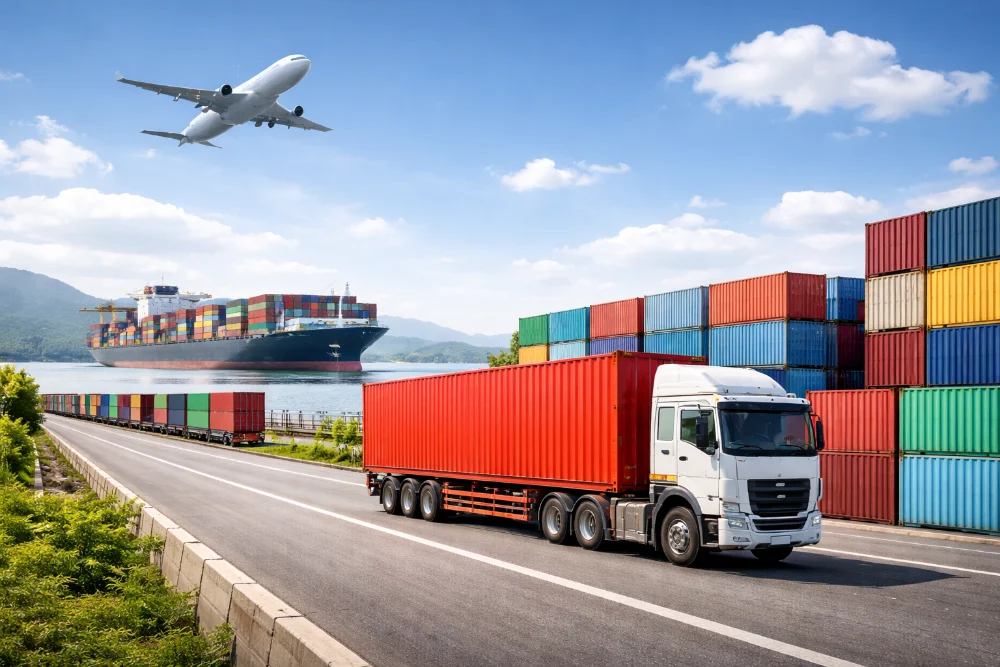
International trade relies heavily on structured logistics systems that connect production centers with global consumption markets. Within this framework, air freight and ocean freight represent the two dominant transportation modes shaping global supply chain efficiency. Each plays a distinct role in balancing speed, cost, capacity, and reliability across cross-border commerce. For companies engaged in import and export activities, selecting the appropriate freight structure is not simply a transportation decision but a strategic supply chain optimization process.
Balance Logistics Inc. operates within this environment by integrating transportation planning, customs coordination, and international distribution management into a unified logistics framework. The goal is not only to move goods efficiently but to ensure that every stage of the supply chain contributes to predictable delivery performance and operational stability.
Air Freight and Ocean Freight System Structure in Global Logistics
The foundation of international logistics lies in the structured use of air freight and ocean freight services across different trade requirements. Air transportation is typically used for time-sensitive cargo, high-value goods, and urgent replenishment needs, while ocean transportation supports bulk shipments, industrial goods, and long-term inventory cycles.
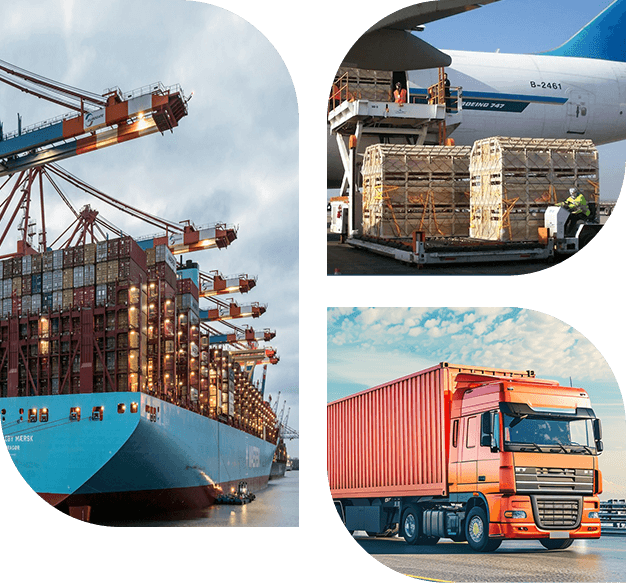
These two systems do not function in isolation. Instead, they form a complementary logistics architecture where businesses allocate cargo based on urgency, cost tolerance, and supply chain design. When properly coordinated, this dual-mode structure improves inventory efficiency and reduces supply chain disruption risks.
A well-balanced logistics strategy considers not only transportation speed but also downstream factors such as customs clearance timing, warehousing capacity, and final distribution requirements. This multi-layered approach ensures that freight decisions align with broader business objectives.
Air Freight Services in International Trade Logistics
Air transportation plays a critical role in global supply chains where delivery speed is a priority. Within air freight and ocean freight logistics systems, air shipping is often used for high-value, time-sensitive, or limited-quantity cargo.
Air freight provides significant advantages in transit time reduction, allowing businesses to respond quickly to market demand fluctuations. It also reduces exposure to extended port delays and maritime congestion risks. However, its cost structure requires careful planning to ensure profitability, particularly for large-volume shipments.
A structured air freight system typically involves cargo acceptance, security screening, export documentation, airline coordination, customs processing, and destination handling. Each stage must be synchronized to maintain schedule accuracy and avoid unnecessary delays in downstream logistics processes.
Ocean Freight Services and Global Capacity Efficiency
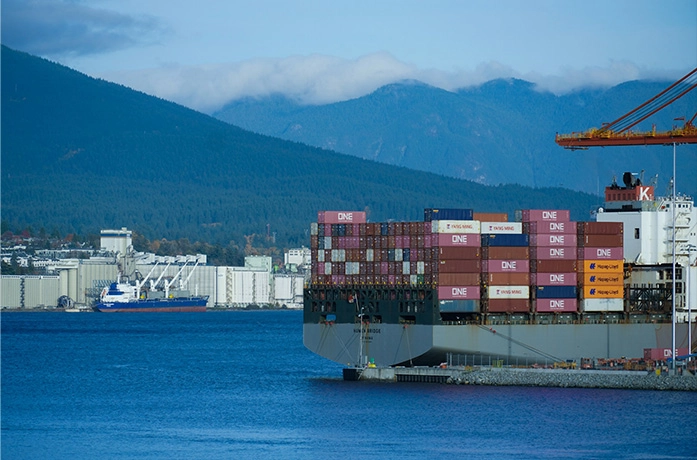
Ocean transportation remains the backbone of international trade due to its large-scale capacity and cost efficiency. Within air freight and ocean freight service networks, ocean shipping is primarily used for bulk cargo movement across long-distance trade lanes such as Asia–North America and Asia–Europe.
Ocean freight enables businesses to transport large quantities of goods at significantly lower per-unit cost compared with air transportation. This makes it particularly suitable for manufacturing exports, retail distribution programs, and industrial supply chains that rely on stable inventory flow.
The effectiveness of ocean freight depends on vessel scheduling, port efficiency, container utilization, and customs processing speed. When these components are aligned, ocean shipping becomes a highly efficient and scalable logistics solution for global trade operations.
Comparative Logistics Structure of Air Freight and Ocean Freight
Understanding the differences between air freight and ocean freight services is essential for building efficient international logistics strategies. Each mode serves distinct operational requirements and cost structures.
| Logistics Factor | Air Freight | Ocean Freight |
|---|
| Transit Speed | High | Moderate to slow |
| Cost Efficiency | Lower | Higher |
| Cargo Volume | Limited | Large-scale |
| Schedule Flexibility | High frequency | Fixed sailing cycles |
| Best Use Case | Urgent shipments | Bulk distribution |
This comparison highlights that neither mode is universally superior. Instead, their value lies in strategic application based on supply chain requirements and business priorities.
Integration of Air Freight and Ocean Freight in Supply Chains
Modern logistics systems increasingly rely on the integration of air freight and ocean freight solutions rather than treating them as separate transportation options. This integrated model allows businesses to allocate shipments dynamically based on urgency and cost optimization.
For example, time-critical components may be transported via air, while bulk inventory replenishment is managed through ocean freight. This hybrid structure ensures that supply chains remain flexible while controlling overall logistics expenses.
Integration also improves inventory forecasting accuracy by aligning transportation timelines with production schedules and market demand cycles. When properly implemented, it reduces stock shortages and prevents excessive inventory accumulation.
Customs Coordination in Air Freight and Ocean Freight Operations
Customs clearance is a critical component in both air freight and ocean freight logistics systems. Regardless of transportation mode, shipments must comply with regulatory requirements in both origin and destination countries.
The customs process involves documentation verification, tariff classification, duty assessment, and inspection procedures. Errors in any of these areas can result in shipment delays or additional operational costs.
Efficient customs coordination requires accurate data preparation before cargo departure. This includes harmonized product classification, consistent commercial documentation, and compliance with import regulations. When customs processes are integrated into logistics planning, clearance efficiency improves significantly.
Balance Logistics Inc. emphasizes compliance-driven logistics coordination to ensure smooth cargo movement across international borders while minimizing regulatory risks.
Warehousing and Distribution in Freight Networks
Warehousing plays an essential role in connecting air freight and ocean freight operations with final delivery systems. It provides a controlled environment for cargo consolidation, inventory management, and regional distribution planning.
Strategically located warehouses allow businesses to reduce delivery lead times and improve supply chain responsiveness. They also support cross-docking operations where incoming shipments are quickly sorted and redistributed without long-term storage.
In international logistics networks, warehousing is not simply a storage function but a strategic distribution node that enhances flexibility and efficiency across transportation modes.
Cost Structure and Optimization in Air Freight and Ocean Freight
Cost management is one of the most important considerations in air freight and ocean freight planning. Transportation costs are influenced by multiple variables including cargo weight, volume, route selection, fuel surcharges, customs fees, and handling charges.
Air freight generally carries higher per-unit cost but provides faster delivery and reduced inventory holding expenses. Ocean freight offers lower transportation cost per unit but requires longer lead times and more extensive planning.
A balanced logistics strategy evaluates total landed cost rather than focusing solely on freight rates. This includes transportation, warehousing, customs duties, and inventory carrying costs.
Table: Key Cost Drivers in International Freight Operations
| Cost Element | Air Freight Impact | Ocean Freight Impact |
|---|
| Transport Rate | High | Low |
| Inventory Holding | Low | Higher |
| Customs Fees | Similar | Similar |
| Warehousing | Short duration | Longer duration |
| Risk Exposure | Lower transit risk | Higher transit exposure |
This structure highlights the importance of evaluating logistics cost holistically rather than isolating transportation expenses.
Risk Management in Global Freight Transportation
International logistics involves multiple risk factors that must be actively managed within air freight and ocean freight systems. These risks include weather disruptions, port congestion, customs delays, documentation errors, and capacity shortages.
Effective risk management strategies focus on early identification, contingency planning, and real-time shipment monitoring. Diversifying transportation modes and maintaining flexible routing options also reduces dependency on a single logistics channel.
Risk control is not only about minimizing disruptions but also ensuring continuity of supply chain operations under changing global conditions.
Sustainability in Air Freight and Ocean Freight Logistics
Sustainability considerations are becoming increasingly important in global logistics planning. Within air freight and ocean freight networks, companies are evaluating environmental impact alongside operational efficiency.
Ocean transportation generally produces lower emissions per unit of cargo compared with air transport, making it a more environmentally efficient option for bulk shipments. However, both modes are evolving through fuel efficiency improvements, optimized routing, and digital logistics planning systems.
Sustainable logistics strategies also involve reducing empty container movement, improving load efficiency, and enhancing supply chain visibility to minimize waste and inefficiency.
Role of Balance Logistics Inc. in Global Freight Systems
Balance Logistics Inc. operates as an integrated logistics provider specializing in air freight and ocean freight services for international trade logistics. The company focuses on connecting transportation, customs coordination, warehousing, and distribution into a unified operational system.
By combining multiple logistics functions under one framework, the company helps businesses reduce operational complexity and improve supply chain efficiency across international trade routes.
This integrated approach supports both large-scale manufacturing exports and dynamic e-commerce supply chain requirements, ensuring flexibility and stability across global logistics operations.
Conclusion
Global supply chains depend heavily on the strategic use of air freight and ocean freight services to balance speed, cost, and capacity. Each transportation mode plays a distinct role, but their true value emerges when integrated into a coordinated logistics system.
By combining air and ocean freight strategies with customs coordination, warehousing support, and risk management planning, businesses can achieve stronger supply chain resilience and improved operational efficiency.
In an increasingly interconnected global trade environment, logistics success is defined not by transportation alone but by the ability to synchronize multiple systems into a seamless and efficient flow of goods across international markets.
FAQ
What is the main difference between air freight and ocean freight?
Air freight focuses on speed and is suitable for urgent shipments, while ocean freight prioritizes cost efficiency and bulk transportation.
When should businesses choose air freight over ocean freight?
Air freight is preferred when delivery speed, product value, or supply urgency is critical.
Can air freight and ocean freight be used together?
Yes, many supply chains integrate both modes to balance cost and delivery performance.
Which is more cost-effective for large shipments?
Ocean freight is generally more cost-effective for large-volume cargo.
How does logistics integration improve efficiency?
Integration reduces coordination gaps, improves visibility, and aligns transportation with inventory and demand planning.
 +86 13808855822
  E-MAIL:info@szbalance.com